

Securing a holiday home is crucial, especially when it remains unoccupied for extended periods. These properties can be vulnerable to theft and damage, making it essential to implement effective security measures. This guide will explore various strategies to keep your holiday home safe, allowing you to enjoy your time away with peace of mind.
Key Takeaways
- Understand the risks associated with unoccupied properties to better protect them.
- Choose a security system that fits your needs and budget, considering both features and costs.
- Decide between DIY and professional installation for your security system based on your skills and comfort level.
- Regular maintenance and timely upgrades are essential to keep your security system effective.
- Integrating smart home technology can increase your security and provide remote monitoring capabilities.
Leaving a holiday home unoccupied can expose it to various risks. Burglars often target these properties because they know they are less likely to be monitored. Common risks include:
Installing security systems can significantly reduce these risks. Some key benefits include:
Several case studies highlight the importance of security systems. For instance, a holiday home in a popular tourist area was broken into multiple times before the owner installed security cameras and high-quality locks. After the installation, there were no further incidents, demonstrating the effectiveness of a robust security system.
A well-secured holiday home not only protects your investment but also ensures a comfortable stay for guests.
| Security Measure | Effectiveness |
|---|---|
| Security Cameras | High |
| High-Quality Locks | Medium |
| Key Safes | High |
| Forceful Entry Protection | Very High |
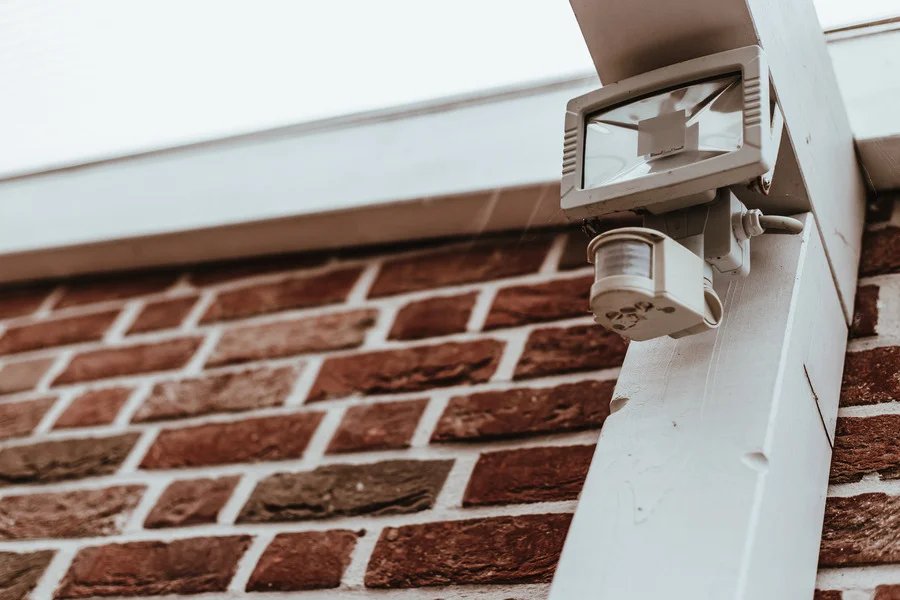
When it comes to holiday home security, selecting the right system is crucial. With many properties left unoccupied for long periods, it’s essential to ensure they are well protected. Here are some key points to consider:
| Security System | Average Cost | Key Features |
|---|---|---|
| Burglar Alarm | £200 - £500 | Alerts, remote access |
| CCTV | £300 - £800 | Live feed, night vision |
| Smart Lock | £100 - £300 | Keyless entry, smartphone control |
Pro Tip: Always ensure that your security system meets your insurance requirements to avoid complications in case of a claim.
By carefully evaluating your options, you can effectively protect your holiday home from potential holiday home burglary and ensure peace of mind while you are away. Securing your possessions is not just about installing devices; it’s about creating a comprehensive plan that includes regular checks and updates to your security measures.
When it comes to installing security systems, you have two main options: doing it yourself or hiring a professional. Here are some points to consider:
Remember, a well-installed security system is your first line of defence against potential threats. Taking the time to install correctly can save you from future headaches.
To keep your holiday home secure, regular maintenance is essential. Here are some key checks to perform:
Consider upgrading your security system if:
If you encounter problems with your security system, follow these steps:
Regular checks and updates can significantly improve your break-in prevention efforts.
Since holiday homes can be left unoccupied for prolonged periods, we advise reviewing your security systems every so often. Here are some checks that you can do:
By following these guidelines, you can ensure your holiday home remains safe and secure, allowing you to enjoy your time away with peace of mind.
Integrating your security systems with smart home technology offers numerous advantages:
Here are some popular devices to consider:
To set up remote monitoring effectively:
Integrating your lighting with a smart home security system allows for automated responses—such as turning on the lights when motion is detected in certain areas—enhancing your home’s security.
By combining smart home technology with your security systems, you can create a safer environment for your holiday home, ensuring peace of mind even when you are away.
When it comes to securing your holiday home, it’s essential to be aware of local laws. Different areas may have specific regulations regarding security systems. Here are some key points to consider:
Installing a security system can significantly impact your home insurance. Many insurers offer discounts for homes equipped with security features. Here’s how:
| Type of Security System | Potential Insurance Discount |
|---|---|
| Alarm System | 10-20% |
| CCTV Cameras | 5-15% |
| Smart Locks | 5-10% |
As a homeowner, you have certain legal responsibilities regarding your property. Here are some important aspects:
Remember: You may need unoccupied home insurance, as most standard home insurance policies won't cover you if you're away for longer than 30 consecutive days.
By understanding these legal and insurance considerations, you can better protect your holiday home and ensure peace of mind while you’re away.
When you leave your holiday home unoccupied, it’s crucial to have a plan for emergencies. Here are some steps to consider:
Automated alert systems can help you monitor your property even when you’re away. Here are some features to look for:
Establishing a relationship with local authorities can increase your security. Consider the following:
Regular checks and communication can significantly reduce risks.
By implementing these strategies, you can ensure that your holiday home remains safe and secure, even when you are not there. Regular electrical safety checks are also essential to prevent hazards and ensure compliance with safety regulations.
In times of crisis, having a reliable emergency response system is crucial. Our platform connects you with skilled tradesmen who can assist you when you need it most. Don't wait until it's too late—visit our website today to find trusted local tradesmen ready to help you in emergencies!
In conclusion, ensuring the safety of your holiday home is crucial, especially when it's often left empty. By taking simple steps like changing locks, installing alarms, and using smart technology, you can significantly reduce the risk of break-ins. Regular check-ups from a trusted neighbour can also provide peace of mind. Remember, a secure holiday home allows you to relax and enjoy your time away without worry. For further assistance or to explore security options, feel free to reach out to our team.
If your holiday home will be unoccupied for a while, it's essential to improve its security. This can include changing locks, installing alarms, and asking a trusted neighbour to keep an eye on the property.
Yes, security cameras can deter burglars and help you monitor your property remotely. Just ensure they are positioned correctly to maintain privacy.
It's a good idea to regularly check your security system, ideally every few months, to ensure everything is functioning correctly.
Consider high-quality deadbolt locks for external doors. Smart locks are also a great option as they provide added security and convenience.
Yes, many security systems are designed for DIY installation. However, if you're unsure, hiring a professional can ensure everything is set up correctly.
If you suspect a break-in, do not enter the property. Call the police immediately and wait for them to arrive.
Disclaimer: The information provided in this blog is for general informational purposes only and should not be considered a substitute for professional advice. All work, including but not limited to electrical, plumbing, and construction, carries risks and should only be undertaken by qualified professionals. For specific guidance on any work, consult a certified professional in the relevant field. Always ensure compliance with local regulations and safety standards.
