Securing a holiday home is crucial, especially when it remains unoccupied for extended periods. These properties can be vulnerable to theft and damage, making it essential to implement effective security measures. This guide will explore various strategies to keep your holiday home safe, allowing you to enjoy your time away with peace of mind.
Key Takeaways
- Understand the risks associated with unoccupied properties to better protect them.
- Choose a security system that fits your needs and budget, considering both features and costs.
- Decide between DIY and professional installation for your security system based on your skills and comfort level.
- Regular maintenance and timely upgrades are essential to keep your security system effective.
- Integrating smart home technology can increase your security and provide remote monitoring capabilities.
Leaving a holiday home unoccupied can expose it to various risks. Burglars often target these properties because they know they are less likely to be monitored. Common risks include:
Installing security systems can significantly reduce these risks. Some key benefits include:
Several case studies highlight the importance of security systems. For instance, a holiday home in a popular tourist area was broken into multiple times before the owner installed security cameras and high-quality locks. After the installation, there were no further incidents, demonstrating the effectiveness of a robust security system.
A well-secured holiday home not only protects your investment but also ensures a comfortable stay for guests.
| Security Measure | Effectiveness |
|---|---|
| Security Cameras | High |
| High-Quality Locks | Medium |
| Key Safes | High |
| Forceful Entry Protection | Very High |
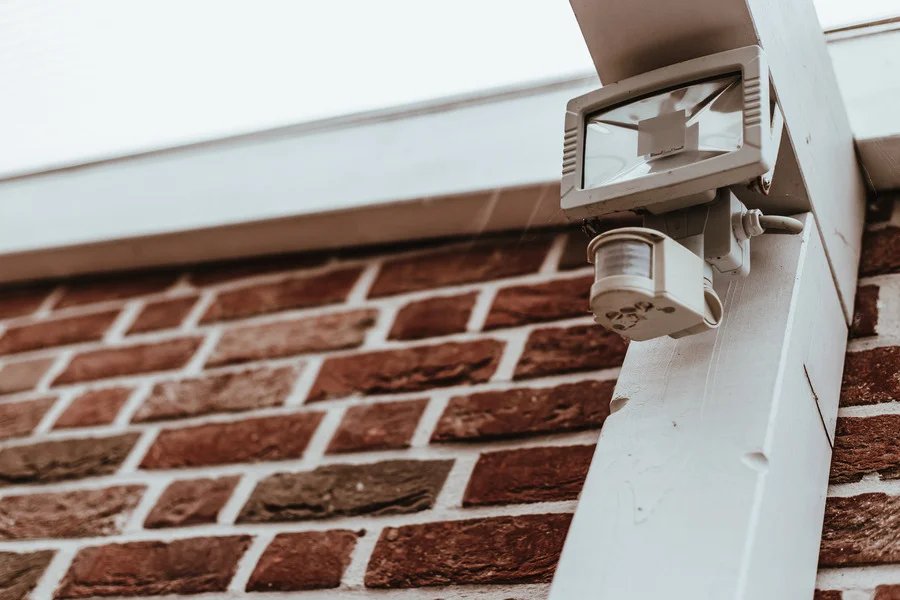
When it comes to holiday home security, selecting the right system is crucial. With many properties left unoccupied for long periods, it’s essential to ensure they are well protected. Here are some key points to consider:
| Security System | Average Cost | Key Features |
|---|---|---|
| Burglar Alarm | £200 - £500 | Alerts, remote access |
| CCTV | £300 - £800 | Live feed, night vision |
| Smart Lock | £100 - £300 | Keyless entry, smartphone control |
Pro Tip: Always ensure that your security system meets your insurance requirements to avoid complications in case of a claim.
By carefully evaluating your options, you can effectively protect your holiday home from potential holiday home burglary and ensure peace of mind while you are away. Securing your possessions is not just about installing devices; it’s about creating a comprehensive plan that includes regular checks and updates to your security measures.
When it comes to installing security systems, you have two main options: doing it yourself or hiring a professional. Here are some points to consider:
Remember, a well-installed security system is your first line of defence against potential threats. Taking the time to install correctly can save you from future headaches.
To keep your holiday home secure, regular maintenance is essential. Here are some key checks to perform:
Consider upgrading your security system if:
If you encounter problems with your security system, follow these steps:
Regular checks and updates can significantly improve your break-in prevention efforts.
Since holiday homes can be left unoccupied for prolonged periods, we advise reviewing your security systems every so often. Here are some checks that you can do:
By following these guidelines, you can ensure your holiday home remains safe and secure, allowing you to enjoy your time away with peace of mind.
Integrating your security systems with smart home technology offers numerous advantages:
Here are some popular devices to consider:
To set up remote monitoring effectively:
Integrating your lighting with a smart home security system allows for automated responses—such as turning on the lights when motion is detected in certain areas—enhancing your home’s security.
By combining smart home technology with your security systems, you can create a safer environment for your holiday home, ensuring peace of mind even when you are away.

When it comes to securing your holiday home, it’s essential to be aware of local laws. Different areas may have specific regulations regarding security systems. Here are some key points to consider:
Installing a security system can significantly impact your home insurance. Many insurers offer discounts for homes equipped with security features. Here’s how:
| Type of Security System | Potential Insurance Discount |
|---|---|
| Alarm System | 10-20% |
| CCTV Cameras | 5-15% |
| Smart Locks | 5-10% |
As a homeowner, you have certain legal responsibilities regarding your property. Here are some important aspects:
Remember: You may need unoccupied home insurance, as most standard home insurance policies won't cover you if you're away for longer than 30 consecutive days.
By understanding these legal and insurance considerations, you can better protect your holiday home and ensure peace of mind while you’re away.
When you leave your holiday home unoccupied, it’s crucial to have a plan for emergencies. Here are some steps to consider:
Automated alert systems can help you monitor your property even when you’re away. Here are some features to look for:
Establishing a relationship with local authorities can increase your security. Consider the following:
Regular checks and communication can significantly reduce risks.
By implementing these strategies, you can ensure that your holiday home remains safe and secure, even when you are not there. Regular electrical safety checks are also essential to prevent hazards and ensure compliance with safety regulations.
In times of crisis, having a reliable emergency response system is crucial. Our platform connects you with skilled tradesmen who can assist you when you need it most. Don't wait until it's too late—visit our website today to find trusted local tradesmen ready to help you in emergencies!
In conclusion, ensuring the safety of your holiday home is crucial, especially when it's often left empty. By taking simple steps like changing locks, installing alarms, and using smart technology, you can significantly reduce the risk of break-ins. Regular check-ups from a trusted neighbour can also provide peace of mind. Remember, a secure holiday home allows you to relax and enjoy your time away without worry. For further assistance or to explore security options, feel free to reach out to our team.
If your holiday home will be unoccupied for a while, it's essential to improve its security. This can include changing locks, installing alarms, and asking a trusted neighbour to keep an eye on the property.
Yes, security cameras can deter burglars and help you monitor your property remotely. Just ensure they are positioned correctly to maintain privacy.
It's a good idea to regularly check your security system, ideally every few months, to ensure everything is functioning correctly.
Consider high-quality deadbolt locks for external doors. Smart locks are also a great option as they provide added security and convenience.
Yes, many security systems are designed for DIY installation. However, if you're unsure, hiring a professional can ensure everything is set up correctly.
If you suspect a break-in, do not enter the property. Call the police immediately and wait for them to arrive.
When it comes to maintaining your holiday home, finding trustworthy tradesmen is crucial. The right professionals can ensure that repairs are done properly, enhancing the value and safety of your property. This article will guide you through the process of selecting reliable tradespeople for your holiday home repairs, covering everything from research to maintaining good relationships with them.
Key Takeaways
- Always check for proper qualifications and reviews before hiring tradesmen.
- Get multiple quotes to understand the fair price for the work needed.
- Clear communication is key; set expectations and keep in touch throughout the project.
- Building a good relationship with tradesmen can lead to better service and future discounts.
- Understand your legal rights and ensure tradesmen have the correct insurance and permits.
When it comes to maintaining your holiday home, the reliability of tradesmen is crucial. Choosing the right professionals can significantly impact your property’s value and ensure that repairs are done safely and correctly.
Finding the right tradesman for home improvements is very important in ensuring your project is completed to a high standard.
In summary, investing time in finding local tradesmen who are reliable can lead to better outcomes for your holiday home repairs. It’s worth the effort to ensure that your property remains safe, compliant, and valuable.
Finding the right tradesman for your holiday home repairs is crucial. Reliable tradesmen can save you time and money in the long run. Here are some steps to help you in your search:
Remember, a good tradesman will be happy to answer your questions and provide proof of their qualifications. This can help ensure you choose someone who is both skilled and trustworthy.
When you receive quotes and estimates from tradesmen, it’s essential to compare them carefully. Here are some key points to consider:
| Tradesman | Quote Amount | Materials Included | Estimated Time | Valid Until |
|---|---|---|---|---|
| John’s Plumbing | £500 | Pipes, fittings | 2 days | 30 days |
| Smith Builders | £600 | Pipes, fittings, labour | 3 days | 15 days |
| Green Electricians | £550 | Labour only | 1 day | 20 days |
Before signing any contract, it’s crucial to understand the terms. Here are some aspects to look out for:
Don’t hesitate to negotiate. Here are some tips:
Remember, a well-drafted contract protects both you and the tradesman. It ensures that everyone is on the same page and helps avoid misunderstandings.
In summary, evaluating quotes and contracts is a vital step in ensuring you choose the right tradesman for your holiday home repairs. By comparing quotes, understanding contract terms, and negotiating fairly, you can make informed decisions that will benefit your property in the long run. Always keep in mind the importance of using the best materials for holiday home renovations to improve your property’s appeal and value.
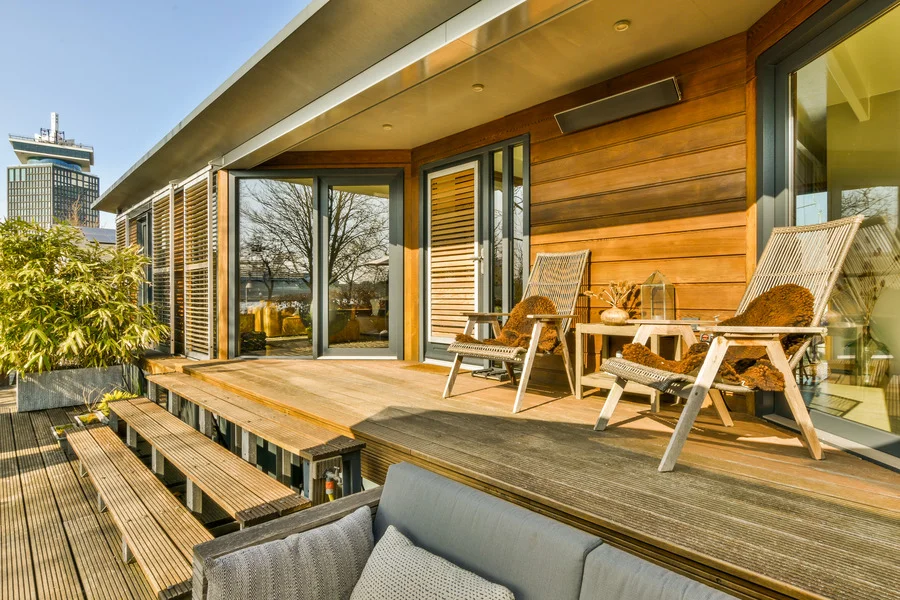
When it comes to repairs in your holiday home, quality workmanship is essential. Here are some key points to consider:
Quality workmanship not only improves the value of your property but also ensures safety and compliance with regulations. Regular inspections can help maintain this quality over time, especially for tasks like insulating your holiday home effectively.
By following these steps, you can ensure that the work done on your holiday home meets your expectations and maintains its value.
Building a strong rapport with your tradesmen can lead to better service and reliability. A good relationship can save you time and money in the long run. Here are some key points to consider:
Maintaining a good relationship with tradesmen is essential for ensuring quality work and reliability. Regular communication and prompt payments can make you a valued customer.
By following these steps, you can ensure a positive and productive relationship with your tradesmen, leading to successful projects and peace of mind.
When it comes to hiring tradesmen for your holiday home, understanding the legal and insurance aspects is crucial. Public Liability Insurance (PLI) is a key factor to consider, as it protects you from claims made by third parties for injuries or damages that occur during the work.
Understanding these legal and insurance considerations can save you from potential headaches and financial losses. Always prioritise safety and compliance when hiring tradesmen for your holiday home repairs.
By being informed and prepared, you can ensure that your property remains a safe and enjoyable place for guests, especially when it comes to essential repairs for holiday homes before tourist season.
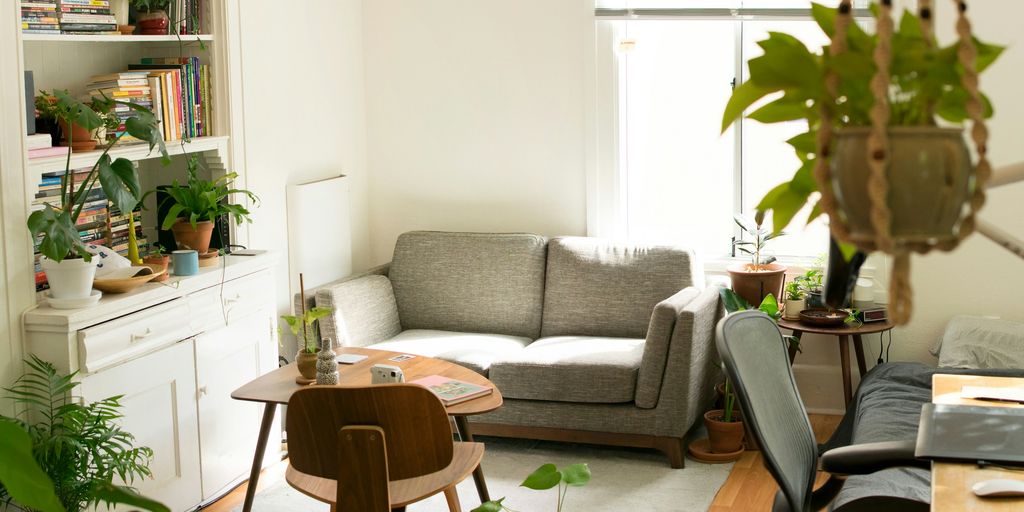
When it comes to repairs, selecting sustainable materials is crucial. Here are some options:
Energy efficiency not only helps the environment but also saves money in the long run. Here are some ideas:
Finding tradesmen who prioritise sustainability can make a big difference. Here’s how to ensure you’re working with the right people:
By choosing eco-friendly options, you not only improve your property but also contribute to a healthier planet.
In summary, making sustainable choices in repairs can lead to significant environmental benefits and long-term savings. Embrace these options to ensure your holiday home is both beautiful and responsible.
When it comes to fixing things, choosing eco-friendly options is a smart move. Not only do these repairs help the planet, but they can also save you money in the long run. If you're looking for skilled tradesmen who care about sustainability, visit our website today!
In conclusion, finding trustworthy tradesmen for your holiday home repairs is essential for maintaining its value and comfort. Always check that the tradespeople you consider are properly qualified and have good reviews from previous customers. Look for recommendations from fellow holiday home owners or local groups, as these can lead you to reliable workers. Remember to ask for written quotes and compare them to ensure you get a fair deal. By taking these steps, you can ensure that your holiday home remains a pleasant place to visit, without the stress of poor repairs.
When hiring a tradesman, check their qualifications, read reviews from past customers, and ask for recommendations from friends or family.
You can find reliable tradesmen by asking for recommendations in local community groups, checking online review sites, or looking for accredited professionals.
Yes, getting multiple quotes helps you compare prices and ensure you're getting a fair deal for the work you need done.
A contract should include details about the work to be done, payment terms, timelines, and any warranties or guarantees.
You can ensure quality work by setting clear expectations, maintaining good communication throughout the project, and checking the work regularly.
If there’s a problem, talk to the tradesman as soon as possible to resolve the issue. If needed, refer to your contract for guidance.
Insulating your holiday home is essential for ensuring comfort throughout the year. Whether you're using it as a seasonal retreat or planning to live there year-round, proper insulation can make a significant difference in temperature control and energy costs. This article offers practical tips and insights into the best insulation practises to keep your holiday home cosy and efficient, no matter the season.
Key Takeaways
- Good insulation helps maintain a comfortable temperature all year round.
- Check for draughty windows and doors, and replace them if necessary.
- Consider eco-friendly insulation materials for a sustainable choice.
- Regular maintenance of insulation can save on energy bills and improve comfort.
- Hiring professionals can ensure proper installation and long-term effectiveness.
Insulation is crucial for maintaining a comfortable environment in your holiday home throughout the year. Proper insulation can significantly reduce energy costs and increase your overall comfort.
| Material | R-Value per inch | Cost per square foot | Lifespan |
|---|---|---|---|
| Fibreglass | 2.9 | £0.50 | 20-30 years |
| Cellulose | 3.5 | £0.70 | 20-30 years |
| Spray Foam | 6.5 | £1.00 | 20-30 years |
Insulating your holiday home is not just about comfort; it’s also a smart financial decision that pays off in the long run.
In summary, understanding the importance of insulation is key to ensuring your holiday home remains a comfortable retreat all year round. Whether you choose to do it yourself or hire professionals, investing in insulation is a step towards a more energy-efficient and enjoyable living space.
To ensure your holiday home is comfortable year-round, start by identifying problem areas. Common spots include:
Using thermal imaging cameras can help you spot areas where heat is escaping. This technology allows you to see:
Consider hiring professionals for a thorough inspection. They can provide insights on:
Regular inspections can prevent costly repairs and ensure energy efficiency, highlighting the need for proper water flow to avoid leaks.
By taking these steps, you can significantly improve your holiday home's insulation, ensuring comfort and reducing energy costs.

When it comes to selecting insulation, understanding the different types available is crucial. Here are some key points to consider:
| Type of Insulation | R-Value per inch | Cost per square foot |
|---|---|---|
| Fibreglass | 2.9 - 4.3 | £0.50 - £1.00 |
| Foam Board | 4.0 - 6.5 | £1.00 - £2.00 |
| Cellulose | 3.1 - 3.8 | £0.70 - £1.50 |
Choosing the right insulation material is essential for comfort and energy efficiency. Proper insulation can lead to significant savings on energy bills and enhance the overall comfort of your holiday home.
In summary, when choosing a dimmer switch for your insulation needs, consider the type, eco-friendliness, and cost-effectiveness of the materials. This will ensure you make an informed decision that benefits your home year-round.
To keep your holiday home warm, it’s essential to seal any gaps and cracks. Here are some steps to follow:
Weather stripping is a simple yet effective way to improve insulation. Here’s how to do it:
Insulating paints can help reduce heat loss. Here’s a quick guide:
Remember: Regular maintenance is key to preventing issues like damp and mould in your holiday home. Keeping an eye on your insulation can save you money and enhance comfort.
By following these DIY tips, you can significantly improve the insulation of your holiday home, ensuring it remains comfortable throughout the year. Proper insulation not only saves energy but also protects your investment.
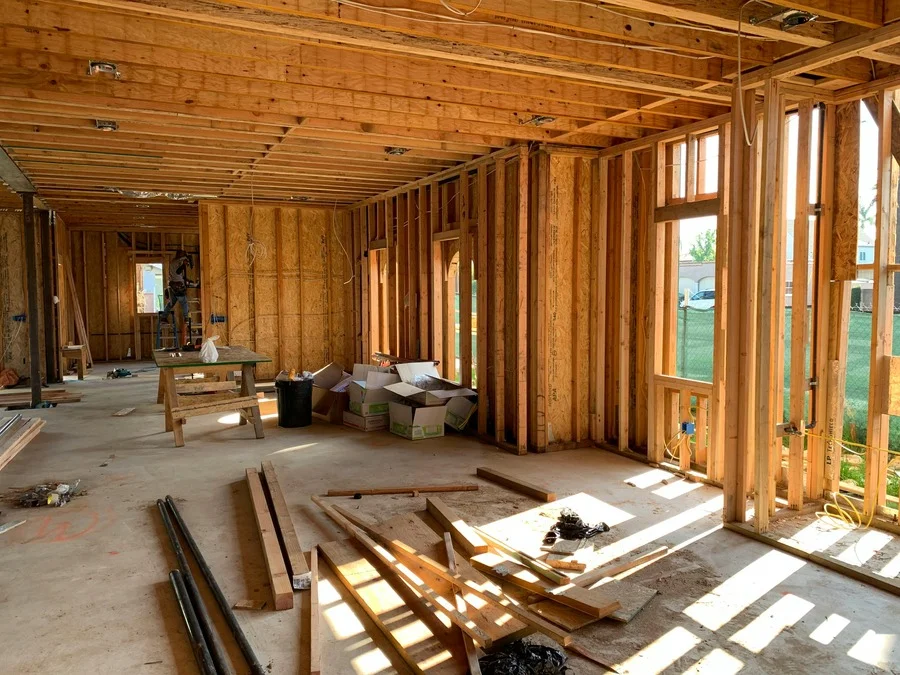
When it comes to ensuring your holiday home is well-insulated, hiring professionals can make a significant difference. They bring expertise and experience that can save you time and money in the long run.
| Service Type | Average Cost (£) | Notes |
|---|---|---|
| Home Insulation | 1,500 - 3,000 | Depends on size and materials. |
| Wall Insulation | 1,000 - 2,500 | Varies by wall type. |
| Attic & Roof Insulation | 800 - 2,000 | Accessibility affects cost. |
Hiring the right professionals can ensure that your insulation is done correctly, leading to better energy efficiency and comfort in your home.
By considering these factors, you can make an informed decision when it comes to light fixture installation and other insulation services, ensuring your holiday home remains comfortable throughout the year.
Proper insulation is vital for keeping your holiday home comfortable throughout the year. Regular maintenance can significantly extend the life of your insulation. Here are some key points to consider:
Keeping your insulation in good shape not only improves comfort but also saves on energy costs. Regular checks can prevent costly repairs and ensure a pleasant stay for guests.
| Task | Frequency | Importance |
|---|---|---|
| Inspect insulation | Annually | High |
| Re-seal cracks | As needed | Medium |
| Replace weather stripping | Every 2-3 years | High |
By following these tips, you can ensure that your holiday home remains a comfortable retreat, regardless of the season. Don't forget to check for LED compatibility with dimmer switches to increase your lighting efficiency!
As the colder months approach, it’s essential to ensure your holiday home is ready. Proper insulation can significantly reduce heat loss, making your space more comfortable. Here are some steps to consider:
During the warmer months, you might think insulation is less important, but it plays a crucial role in keeping your home cool. Here are some tips:
Maintaining your insulation is key to ensuring comfort throughout the year. Here are some maintenance tips:
Keeping your insulation in top shape not only enhances comfort but also saves on energy costs. Regular checks and timely upgrades can make a significant difference in your holiday home's efficiency.
By following these seasonal adjustments, you can enjoy a comfortable holiday home all year round!
As the seasons change, it's important to adjust your home's insulation to keep it comfortable and energy-efficient. Whether it's adding extra layers for winter or ensuring proper ventilation in summer, these small changes can make a big difference. For more tips on how to optimise your home’s insulation, visit our website today!
In conclusion, making your holiday home comfortable all year round is not just a dream; it’s achievable with the right insulation. By focusing on key areas like windows, doors, and heating systems, you can create a warm and inviting space. Regular checks and maintenance will keep your insulation effective, ensuring you enjoy your home in every season. Remember, investing in good insulation not only enhances comfort but can also save you money on energy bills. So, take these tips to heart and transform your holiday retreat into a year-round haven.
Insulating your holiday home helps keep it warm in winter and cool in summer. It also saves on energy bills and makes your home more comfortable.
You might notice drafts, high energy bills, or cold spots in your home. A thermal imaging camera can also help spot areas that need better insulation.
Common materials include fibreglass, foam boards, and cellulose. Eco-friendly options like sheep's wool or recycled materials are also available.
Yes, many insulation tasks can be done as DIY projects, like sealing gaps and adding weather stripping. However, for larger jobs, hiring a professional is recommended.
It's a good idea to inspect your insulation at least once a year, especially before winter, to ensure it’s still effective.
If you find damage, it’s best to repair or replace the insulation as soon as possible to maintain comfort and efficiency.
Winter can be a challenging time for holiday homes in Cornwall, but with the right preparations, you can ensure your property remains safe and comfortable. This guide will help you understand the essential steps to winter-proof your Cornish holiday home, making it a cosy retreat for you and your guests.
Key Takeaways
- Check your roof for any issues and clear out gutters to prevent blockages.
- Insulate exposed pipes to avoid freezing and check for any leaks.
- Make sure your heating system is serviced and radiators are bled for maximum efficiency.
- Secure windows and doors with draught excluders and check seals to keep the warmth in.
- Stock up on essentials like fuel, food, and an emergency kit to be prepared for winter.

Before winter sets in, it’s crucial to conduct a thorough roof inspection. Look for any signs of wear and tear, such as missing shingles or cracks. Regular checks can help prevent serious issues later on. Here are some key areas to focus on:
Gutter cleaning is essential to ensure that rainwater flows freely. Blocked gutters can lead to water pooling, which may cause snow damage when it freezes. Follow these steps:
Proper insulation can help maintain a warm environment inside your holiday home. It also reduces the risk of condensation, which can lead to mould. Consider these options:
Winter preparation is not just about comfort; it’s about protecting your investment. Taking these steps can save you from costly repairs in the future.
By following these guidelines, you can ensure your roof is ready to withstand the harsh winter conditions, keeping your Cornish holiday home safe and sound.
To prevent frozen pipes, it’s crucial to insulate any exposed pipes. Pipe insulation can be done using materials like foam, lagging, or nitrile rubber. This helps to keep the pipes warm and reduces the risk of freezing. Here are some tips for effective insulation:
Regularly checking for leaks can save you from significant property damage. Here’s how to do it:
Installing frost protection devices can be a smart move for your holiday home. These devices help to monitor and maintain the temperature of your pipes. Consider the following:
Protecting your pipes is essential for maintaining a safe and comfortable environment during winter. Taking these steps can prevent costly repairs and ensure your holiday home remains a welcoming retreat.
Keeping your heating system in good shape is essential for a warm and comfortable holiday home during winter. Here are some key steps to ensure everything runs smoothly:
Regular seasonal maintenance of your heating system not only keeps your home warm but also extends the life of your equipment.
By following these steps, you can avoid costly repairs and ensure a comfortable stay for your guests. Remember, proper property management includes keeping your heating system in top condition, especially during the colder months.
| Task | Frequency | Notes |
|---|---|---|
| Boiler Service | Annually | Required for safety and efficiency. |
| Radiator Checks | Monthly | Ensure even heating throughout. |
| Thermostat Upgrade | As needed | Consider smart options for efficiency. |
To keep your holiday home warm during winter, installing draught excluders is a must. These simple additions can help prevent cold air from sneaking in through gaps around doors and windows. Here are some options:
Regularly checking the seals and locks on your windows and doors is essential. Here’s what to do:
Consider adding secondary glazing to your windows. This can significantly improve insulation and reduce noise. Here’s how:
Keeping your windows and doors secure not only helps with warmth but also enhances the overall safety of your holiday home. Regular maintenance is key to avoiding essential repairs for holiday homes before tourist season.
To keep your exterior furniture safe during winter, it’s essential to protect it from harsh weather. Here are some tips:
Your garden needs special care in winter. Follow these steps for effective drought-proofing:
Ensure your outdoor lighting is ready for winter. Here’s how:
Protecting your outdoor spaces is crucial for maintaining your property’s value and ensuring safety during the winter months.
By taking these steps, you can enjoy a winter-ready garden that remains beautiful and functional, even in the coldest months.
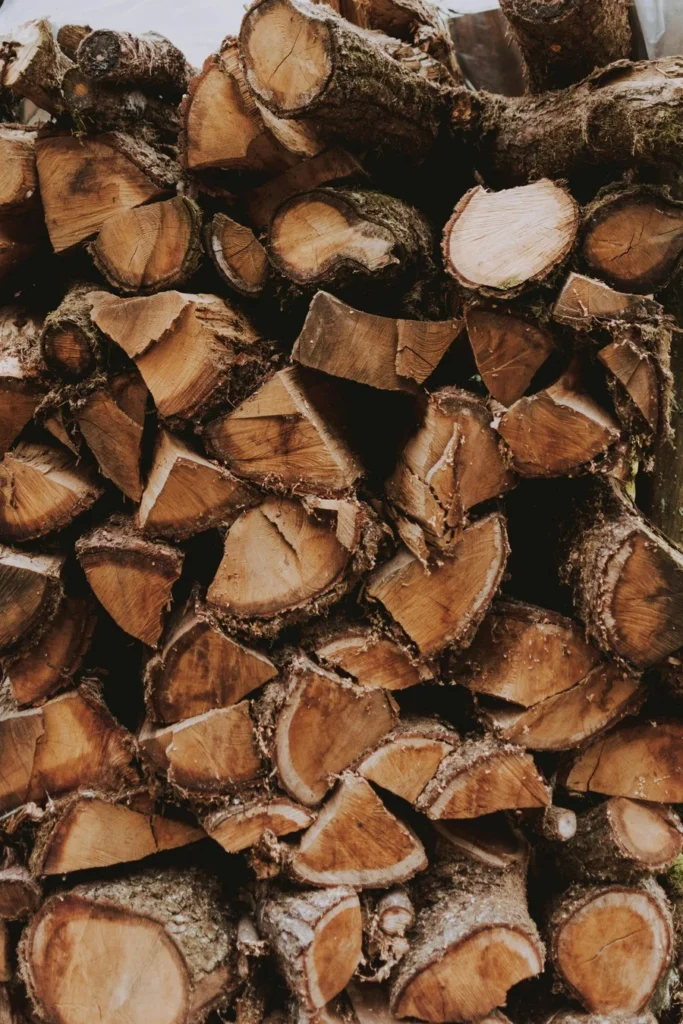
As winter approaches, it’s crucial to ensure your holiday home is well-prepared. Having the right supplies can make all the difference in keeping your home safe and comfortable during the colder months.
Remember, emergency planning is key. Having these supplies ready can help you respond quickly to any unexpected situations.
By preparing your holiday home with these essential supplies, you can enjoy a worry-free winter season. Stay warm and safe!
Heavy curtains can significantly enhance warmth in your holiday cottage. They act as a barrier against cold drafts, keeping the heat inside. Opt for thick, insulated fabrics to maximise energy efficiency.
Rugs and carpets not only add a touch of style but also provide extra insulation. They help to keep your feet warm and reduce the chill from cold floors. Consider using rugs in high-traffic areas to improve comfort.
Arranging your furniture wisely can make a big difference. Place sofas and chairs away from cold windows and doors. This will help create a cosy atmosphere and prevent cold spots. Here are some tips:
Keeping your holiday home warm and inviting is essential for a comfortable stay. Regular checks on insulation and heating systems can prevent issues like damp and mould, ensuring a pleasant environment for guests.
By focusing on these aspects, you can enhance the indoor comfort of your holiday cottage, making it a welcoming retreat during the winter months.
To improve your indoor comfort, consider simple changes like adjusting your heating or improving ventilation. These small steps can make a big difference in how cosy your home feels. For more tips and expert advice, visit our website today!
In conclusion, preparing your Cornish holiday home for winter is essential for ensuring comfort and safety. By taking simple steps like checking insulation, sealing windows, and maintaining heating systems, you can protect your property from harsh weather. Remember, a little effort now can save you from bigger problems later. Enjoy your winter holidays!
You should look for any signs of damage, such as missing tiles or leaks. It's also a good idea to clear out any leaves or debris from the gutters.
Make sure to insulate any exposed pipes and check for leaks. You might also want to install frost protection to avoid freezing.
Regularly service your boiler and bleed your radiators to remove trapped air. Consider upgrading to a smart thermostat for better control.
Install draught excluders to keep the cold air out, check that seals and locks are working properly, and consider adding secondary glazing.
Cover any garden furniture to protect it from the weather, prepare your lawn and plants for the cold, and secure any outdoor lighting.
Make sure you have enough fuel or firewood, stock non-perishable food items, and have an emergency kit ready.
Renovating a holiday home can be an exciting yet challenging task. It’s essential to consider various factors that will not only improve the property’s appeal but also ensure it meets the needs of guests. This guide will explore the best materials and practises for holiday home renovations, helping you create a welcoming and functional space that stands out in the competitive rental market.
Key Takeaways
- Choose durable and easy-to-clean materials for furnishings and decor.
- Maximise natural light with light colours and clever design.
- Upgrade kitchens and bathrooms to increase guest satisfaction.
- Consider local suppliers for unique touches and support.
- Focus on a cohesive design that reflects the property's surroundings.
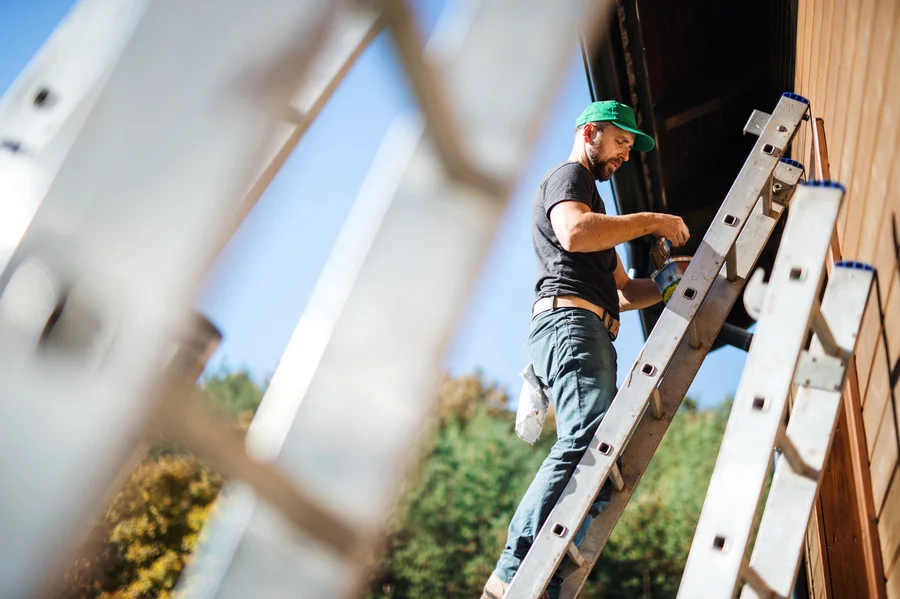
Renovating a holiday home is an exciting journey that can transform a simple property into a welcoming retreat. Holiday home renovation is essential for keeping your property appealing and functional for guests. Here are some key points to consider:
| Trend | Description |
|---|---|
| Outdoor Space Renovation | Creating inviting outdoor areas for relaxation. |
| Modern Amenities | Installing features like a fire pit or pool. |
| Eco-Friendly Designs | Using sustainable materials to attract eco-conscious guests. |
Renovating your holiday home is not just about aesthetics; it’s about creating a space that feels like a home away from home.
In summary, a thoughtful renovation can make your holiday home a desirable destination for guests, ensuring they return year after year. Remember to plan your renovation budget wisely to cover all necessary improvements!
The holiday let market has seen significant changes in recent years. Here are some key trends:
| Trend | Description |
|---|---|
| Unique Accommodations | Guests seek distinctive properties for their stays. |
| Technology Integration | Smart home features are in demand for convenience. |
| Eco-Friendly Options | Sustainable practises are increasingly valued. |
Understanding your audience is crucial for success. Here are some insights:
Knowing your target audience helps tailor your renovations and marketing strategies effectively.
In summary, the holiday let market is evolving, and staying informed about trends and audience preferences is essential for success.
Before you start any renovation, setting a clear budget is essential. Here are some steps to help you:
| Item | Estimated Cost (£) |
|---|---|
| Materials | 5,000 |
| Labour | 3,000 |
| Permits | 500 |
| Contingency (15%) | 1,275 |
| Total | 9,775 |
Understanding the legal requirements is crucial. You may need to:
Renovating your holiday home is not just about aesthetics; it’s also about ensuring guest safety and comfort. Essential repairs for holiday homes before tourist season include inspecting roofs for leaks, ensuring plumbing and electrical systems are safe, and enhancing security measures.
Before diving into renovations, assess the current state of your property. Look for:
By considering these factors, you can make informed decisions that will improve the appeal and functionality of your holiday home.
Creating a welcoming atmosphere in your holiday home is essential for ensuring guests feel at ease. Choosing the right furnishings and decor can significantly improve the overall experience. Here are some key aspects to consider:
A well-designed space not only looks good but also promotes wellbeing and encourages quality sleep for your guests.
By focusing on these elements, you can create a holiday home that is both stylish and comfortable, ensuring a memorable stay for all who visit.
Creating an open plan living area can significantly increase the feeling of space in your holiday home. This design allows for better flow and interaction among guests. Here are some benefits of open plan living:
To keep your holiday home tidy and welcoming, consider these smart storage solutions:
Decluttering and organising your space can also make it feel more spacious and inviting. Incorporating these strategies will help you create a functional and appealing environment for your guests.
By focusing on space planning, you can ensure that every inch of your holiday home is utilised effectively, making it a comfortable retreat for all who visit.
When renovating a holiday home, choosing sustainable materials is essential. Using materials that are environmentally friendly can significantly reduce your carbon footprint. Here are some options:
Improving energy efficiency is another key aspect of sustainable practises. Consider the following upgrades:
| Improvement Type | Estimated Savings (%) | Environmental Impact |
|---|---|---|
| Insulation | 20-30% | Reduced energy use |
| Energy-efficient windows | 10-15% | Lower carbon emissions |
| Solar panels | 50-100% | Renewable energy source |
By making sustainable renovation choices, you not only improve the property but also contribute positively to the environment.
Incorporating these sustainable practises into your renovation plans can lead to a more appealing and responsible holiday home that attracts eco-conscious guests.
Creating outdoor spaces for your holiday rental is vital. Guests love to enjoy the fresh air and beautiful surroundings. To make the most of your outdoor area, consider:
The exterior of your property is just as important as the interior. A well-kept garden can be a relaxing retreat for holidaymakers. Here are some ideas:
Outdoor spaces can significantly improve the overall experience for guests, making them more likely to return.
Regular maintenance of outdoor areas is essential. This includes:
By focusing on these aspects, you can create an inviting outdoor environment that attracts guests and improves their stay. Remember, a well-maintained outdoor space can set your property apart from others.
Utilising local suppliers and artisans can greatly improve your holiday home renovation. Here are some key advantages:
By choosing local suppliers, you contribute to the community. This can lead to:
Engaging with local artisans can also provide:
Working with local suppliers not only enriches your renovation but also fosters a sense of community and belonging. Sourcing materials locally can lead to a more authentic and inviting atmosphere in your holiday home.

To attract guests to your holiday home, using social media platforms is essential. Platforms like Instagram, Facebook, and Pinterest can help you visually showcase your property. Create a profile dedicated to your holiday home and post high-quality images that highlight its best features. Here are some effective strategies:
| Strategy | Description |
|---|---|
| Social Media Engagement | Regular posts and interactions with followers. |
| Visual Content Creation | High-quality images and videos of the property. |
| Targeted Advertising | Ads aimed at specific demographics and interests. |
Marketing your holiday home effectively can significantly increase your bookings and revenue. Focus on creating a strong online presence to attract more guests.
Renovating your holiday home can be a rewarding experience, both for you and your guests. By focusing on comfort and aesthetics, you can create a space that feels welcoming and enjoyable. Remember to consider the following:
Now that you have a better understanding of the renovation process, here are some steps to take:
Renovating your holiday home is not just about aesthetics; it’s about creating a safe and enjoyable space for your guests. Take the time to plan and execute your vision carefully, and the results will be worth it!
In conclusion, we hope you found this information helpful. If you're looking for skilled tradesmen in Cornwall, don't hesitate to visit our website. We connect you with trusted professionals ready to assist you with your next project. Explore more and find the right tradesman for your needs today!
In conclusion, choosing the right materials for your holiday home renovations is vital for creating a welcoming and enjoyable space for your guests. Focus on durable and easy-to-clean options that can handle the wear and tear of frequent use. Bright colours and clever designs can help make the most of natural light and space, giving your property a fresh and airy feel. Unique features, like a lovely garden or a stylish kitchen, can really make your holiday home stand out. By carefully selecting your furnishings and finishes, you can ensure that your holiday home is not only beautiful but also functional, making it a perfect getaway for everyone.
It's best to pick materials that are durable and easy to clean, like quartz for countertops and vinyl for flooring.
Use light colours, comfortable furniture, and personal touches like local art to create a warm atmosphere.
Focus on key areas like the kitchen and bathrooms, and consider DIY projects for smaller updates.
Look for contractors with experience in holiday homes, check references, and get multiple quotes.
Creating inviting outdoor spaces like patios or gardens can significantly improve guest experience.
Use online platforms and social media to showcase your property, highlighting unique features and local attractions.
Keeping a holiday cottage dry and free from damp is essential for maintaining its value and ensuring a pleasant environment for guests. Damp and mould can cause serious health issues and damage to the property, making it crucial to implement effective prevention strategies. This article explores various methods to safeguard your cottage from moisture and mould, ensuring a welcoming retreat for all who visit.
Key Takeaways
- Regularly ventilate the property by opening windows and doors to improve airflow.
- Use dehumidifiers to manage moisture levels, especially in damp-prone areas.
- Choose moisture-resistant materials for construction and furnishings.
- Conduct seasonal inspections to identify and address potential damp issues early.
- Invest in smart home technology for remote monitoring and automated ventilation.
Damp and mould can be a significant issue in unoccupied holiday cottages. Understanding the causes is the first step in mould prevention. Here are some key factors:
Maintaining a dry environment is crucial for preventing mould. Regular checks and proper maintenance can save you from costly mould remediation later on.
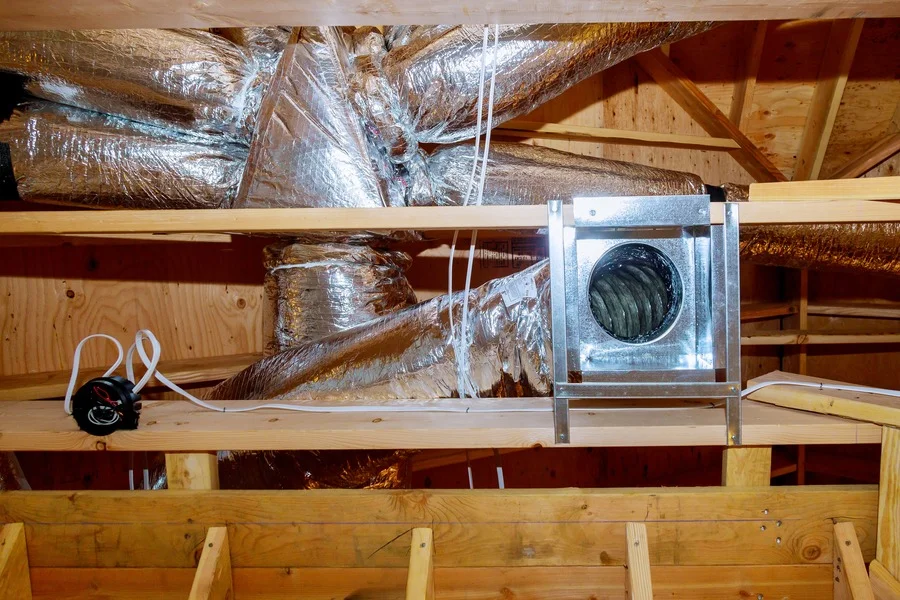
To keep your holiday cottage dry and comfortable, ventilation systems are essential. These systems help to manage air circulation and reduce moisture levels. Here are some effective options:
Natural ventilation is a simple yet effective way to improve air quality. Here are some tips:
Maintaining regular airflow is crucial for preventing damp and mould. Consider these strategies:
Regular ventilation is key to maintaining a healthy environment in your holiday cottage. It not only prevents damp but also enhances the overall comfort for guests.
By implementing these ventilation tips, you can significantly reduce the risk of damp and mould in your unoccupied holiday cottage, ensuring it remains a welcoming space for visitors.
Managing moisture is crucial for keeping your holiday cottage dry and comfortable. Here are some effective techniques:
Keeping your holiday cottage dry is not just about comfort; it’s about protecting your investment and ensuring a healthy environment for guests.
By implementing these moisture control techniques, you can significantly reduce the chances of damp and mould in your holiday cottage, ensuring a pleasant stay for all visitors.
Preparing your holiday cottage for winter is crucial to prevent damage from cold weather. Here are some essential steps:
During the warmer months, humidity can lead to damp and mould. To combat this:
Regular inspections are vital for maintaining your holiday cottage. Consider the following:
Regular maintenance not only protects your investment but also improves the overall guest experience.
When selecting materials for your holiday cottage, moisture-resistant materials are essential. These materials help prevent damp from penetrating the structure. Consider using:
Proper insulation is crucial for maintaining a dry environment. It helps keep the heat in and moisture out. Here are some effective insulation options:
Investing in quality building materials not only protects your property but also offers long-term benefits:
Choosing the right materials is not just about aesthetics; it’s about ensuring the longevity and health of your holiday cottage. Regular building inspections can help identify any issues early on, ensuring your investment remains sound.
To keep your holiday cottage in top shape, regular property checks are essential. Here are some key areas to focus on:
Spotting damp early can save you from costly repairs. Watch for:
Sometimes, it’s best to call in the experts. Professional inspections can help identify hidden issues. Consider:
Regular monitoring and maintenance not only protect your property but also increase its value and appeal. This is especially important for long-term vacancy situations, where neglect can lead to significant issues.
By implementing these strategies, you can ensure your holiday cottage remains a safe and welcoming space for guests, contributing positively to your community contribution efforts and commercial property management goals.
Smart home technology can play a significant role in dampness prevention. These devices can monitor humidity levels and alert you when they rise too high. Some popular options include:
Remote monitoring systems allow you to keep an eye on your holiday cottage from anywhere. This technology can help you:
Automated ventilation systems can help maintain a healthy indoor environment. They work by:
Investing in technology for damp prevention is not just about comfort; it’s about protecting your property and ensuring a safe environment for guests.
By utilising these technologies, you can significantly reduce the risk of damp and mould in your holiday cottage, ensuring it remains a welcoming space for all.
As a property owner, it’s crucial to be aware of your legal responsibilities regarding damp and mould. Many regions require landlords to ensure their properties are free from these issues, as they can harm the health of tenants. This means you must act quickly on any reports of damp or water damage and make necessary repairs to prevent future problems.
Having the right insurance is essential for protecting your property. Ensure your policy covers:
Regularly review your insurance to make sure it reflects any changes to your property. This will help you avoid potential gaps in coverage that could leave you vulnerable.
If you experience damage, knowing how to file a claim is vital. Here are some steps to follow:
Maintaining a secure and well-insured property not only protects your investment but also ensures peace of mind for you and your tenants.
Implementing strong security measures is key to safeguarding your holiday cottage. Consider:
These steps are especially important for unoccupied properties, as they help prevent unauthorised access and potential interior damage.
By following these guidelines, you can protect your property from damp and mould while ensuring compliance with legal standards and insurance requirements.
When considering legal and insurance matters, it's crucial to ensure you're fully informed. Understanding your responsibilities can save you from potential issues down the line. For more insights and guidance, visit our website today!
Keeping your holiday cottage dry and free from mould is crucial for both comfort and health. By following the tips outlined in this article, you can significantly reduce the risk of dampness. Simple actions like using dehumidifiers, ensuring proper ventilation, and maintaining good heating can make a big difference. Remember, a well-cared-for cottage not only protects your investment but also provides a welcoming space for you and your guests. With a little effort, you can enjoy a mould-free environment, ensuring your holiday retreat remains a pleasant escape for years to come.
Damp and mould can happen due to moisture in the air, poor ventilation, and leaks from plumbing or roofs.
You can improve ventilation by opening windows, using exhaust fans, and keeping doors open between rooms.
Dehumidifiers help to remove excess moisture from the air, which can prevent damp and mould growth.
To prepare for winter, make sure to check for leaks, insulate properly, and keep the heating on low.
Using moisture-resistant materials and good insulation can help prevent damp in your cottage.
It's a good idea to check your property regularly, at least once a month, for any signs of damp or mould.
