Choosing the right light bulb for each room in your home can make a big difference in how comfortable and inviting your space feels. Different areas have unique lighting needs, so understanding the types of bulbs available and their characteristics is key. This guide will help you select the best light bulbs for every room, ensuring you create the perfect atmosphere while saving energy and money.
Key Takeaways
- Different rooms require different types of lighting to create the right atmosphere.
- LED bulbs are energy-efficient and can last many years, making them a smart choice.
- Understanding lumens helps you choose the brightness needed for each room.
- Kelvin measurements indicate the colour temperature of light, affecting the room's mood.
- Consider the activities in each room to select the most suitable bulbs.
When selecting lightbulbs, two crucial measurements to consider are lumens and kelvins.
Lumens measure the amount of light emitted by a bulb, essentially indicating its brightness. A higher lumen rating means a brighter light, making it essential to choose the appropriate lumen count based on the size of the room and its intended activities.
Kelvins (K), on the other hand, measure the color temperature of a light source. Lower kelvin values (typically below 3,000 K) emit a warmer, yellowish light, while higher kelvin values (above 3,000 K) produce a cooler, bluish light. Choosing the right color temperature is important as it affects the mood and functionality of a space.
Here’s a guideline for selecting the appropriate lumens for different rooms:
| Room | Recommended Lumens |
|---|---|
| Living Room | 1,500 – 3,000 lumens |
| Kitchen | 3,000 – 4,000 lumens |
| Dining Room | 3,000 – 6,000 lumens |
| Bedroom | 800 – 2,000 lumens |
| Bathroom | 2,000 – 4,000 lumens |
To create the desired atmosphere, consider these recommended kelvin levels for various rooms:
| Room | Recommended Kelvins |
|---|---|
| Living Room | 2,700 – 3,000 K (warm white) |
| Kitchen | 3,000 – 4,000 K (neutral white) |
| Dining Room | 2,700 – 3,000 K (warm white) |
| Bedroom | 2,700 – 3,000 K (warm white) |
| Bathroom | 3,000 – 4,000 K (neutral white) |
In summary, understanding lumens and kelvins is vital when choosing the right lightbulbs for your home. By selecting appropriate brightness levels and color temperatures for each room, you can enhance both the functionality and ambiance of your living spaces.
When it comes to lighting your home, understanding the different types of lightbulbs is essential. Here’s a quick overview of the most common types:
Incandescent bulbs have been a popular choice for many years. They produce a warm light that is pleasing to the eye. However, they are not very energy-efficient, converting less than 10% of the energy they use into visible light. They can also get quite hot, so be careful when handling them.
LED bulbs are becoming the go-to option for many households. They are energy-efficient, lasting much longer than incandescent bulbs. Although they may have a higher initial cost, they save money in the long run due to their low energy consumption. LEDs also come in various colours and styles, making them versatile for any room.
CFL bulbs, or compact fluorescent lamps, are another energy-saving option. They use about one-third of the energy of incandescent bulbs and can last up to ten times longer. However, they can sometimes produce a harsh light, although newer versions offer warmer tones. It’s important to note that CFLs contain small amounts of mercury, so proper disposal is crucial.
Halogen bulbs are a type of incandescent bulb that provides bright, white light. They reach full brightness instantly and are often used in spotlights and floodlights. While they are more efficient than traditional incandescent bulbs, they still generate a lot of heat.
| Type of Bulb | Lifespan (Hours) | Energy Efficiency | Heat Output |
|---|---|---|---|
| Incandescent | 1,000 | Low | High |
| LED | 15,000 - 50,000 | High | Low |
| CFL | 7,000 - 15,000 | Medium | Medium |
| Halogen | 2,000 - 4,000 | Medium | High |
In summary, each type of bulb has its own advantages and disadvantages. When choosing a lightbulb, consider factors like energy efficiency, lifespan, and the type of light you want to create in your space.
Remember, the right light can transform a room, making it feel warm and inviting or bright and energising.
Choosing the right bulb fitting is also crucial; different bulbs have different caps and bases. Make sure to check what type you need before making a purchase!
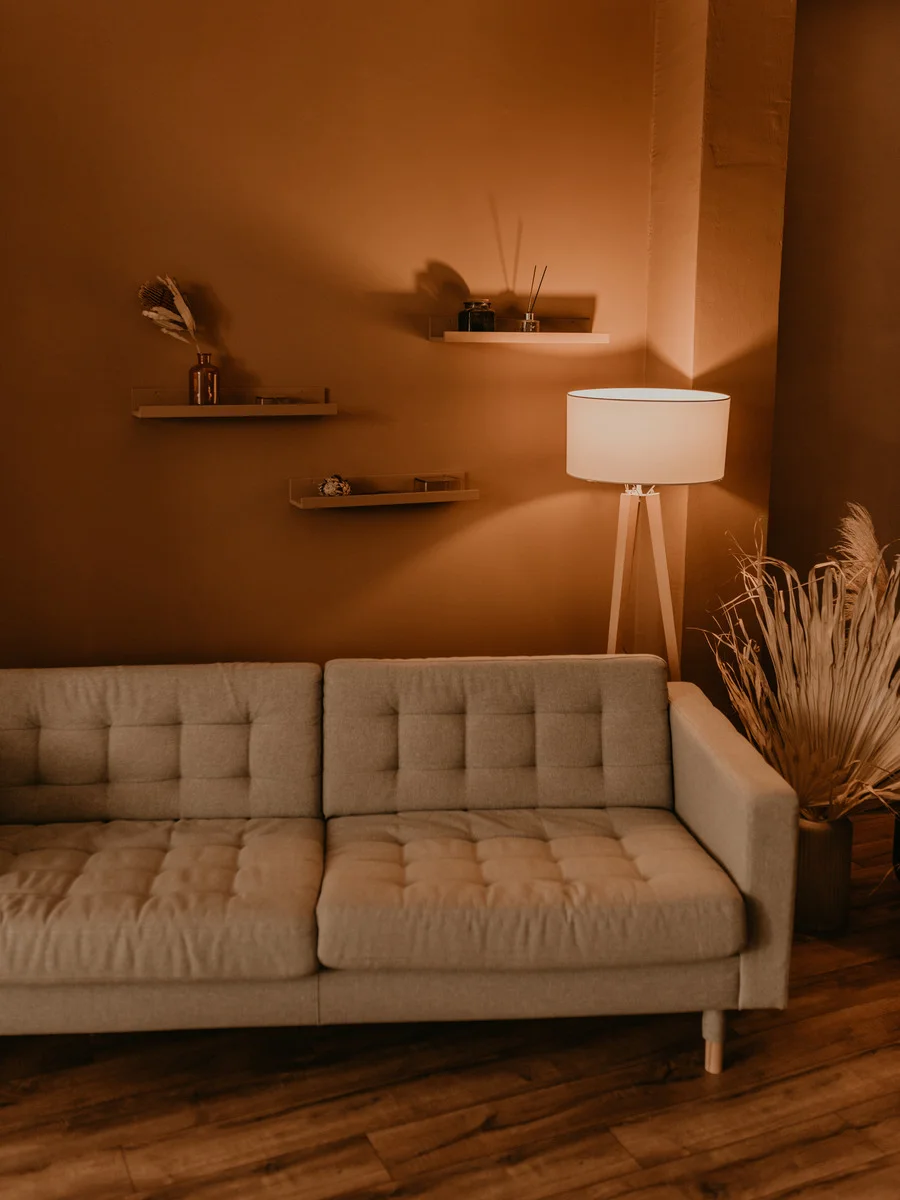
To create a cosy atmosphere in your living room, consider using LED bulbs with a warm colour temperature. Aim for a brightness of around 1,500 to 3,000 lumens. This range provides enough light for activities while maintaining a comfortable environment.
It's essential to balance natural and artificial light. Here are some tips:
For relaxation, opt for bulbs with a colour temperature of 2,700K to 3,000K. This range emits a warm white light that is inviting and soothing. Energy-efficient lighting options like LED bulbs are ideal, as they save energy while providing the right ambiance.
Remember, the right lighting can transform your living space into a welcoming retreat. A guide to choosing a ceiling light for your living room can help you find the perfect fixtures to enhance your home lighting.
In the kitchen, task lighting is essential for cooking and food preparation. Here are some key points to consider:
Creating a welcoming atmosphere in dining areas is important. Here’s how to achieve that:
When selecting bulbs for kitchen islands, consider the following:
The right lighting can transform your kitchen into a functional and inviting space. Choosing the right light temperature and brightness is key to achieving the perfect balance for cooking and dining.
When choosing lightbulbs for your bedroom, it's essential to create a calming environment. Soft, warm lighting helps promote restful sleep. Avoid bright, cool-toned bulbs, as they can interfere with your ability to fall asleep.
Consider using adjustable lighting options to suit different activities. Here are some ideas:
The ideal colour temperature for bedroom lighting is between 2000K to 3000K. This range provides a warm white light that is soothing and perfect for winding down. Here’s a quick reference:
| Bulb Type | Colour Temperature (K) | Brightness (Lumens) |
|---|---|---|
| LED | 2700 - 3000 | 800 - 1600 |
| Halogen bulbs | 2700 - 3000 | 800 - 1600 |
| CFL | 2700 - 3000 | 800 - 1200 |
Choosing the right lightbulb can significantly enhance your bedroom experience. Opt for warm light to create a peaceful atmosphere that encourages relaxation and sleep.
In the bathroom, bright lighting is essential for grooming tasks. You should aim for a brightness level of 2,000 to 4,000 lumens. This ensures you can see clearly while applying makeup or shaving. Consider using:
When selecting bulbs, it’s crucial to choose moisture-resistant options. This helps prevent damage from humidity. Here are some suitable types:
To save on energy bills, opt for energy-efficient lighting. Here’s a quick comparison of options:
| Bulb Type | Lifespan (Hours) | Energy Use (Watts) | Brightness (Lumens) |
|---|---|---|---|
| LED | 15,000 - 25,000 | 10-15 | 800-1,600 |
| Halogen | 2,000 | 40-50 | 1,000-1,500 |
| CFL | 10,000 | 13-15 | 800-1,200 |
Tip: Always check the CRI (Colour Rendering Index) of the bulbs. A high CRI ensures colours appear true, which is especially important in grooming areas.
By considering these factors, you can create a well-lit, functional bathroom that meets your needs while being energy-efficient. Choosing the right lighting fixtures will enhance your daily routines and add a touch of style to your space.
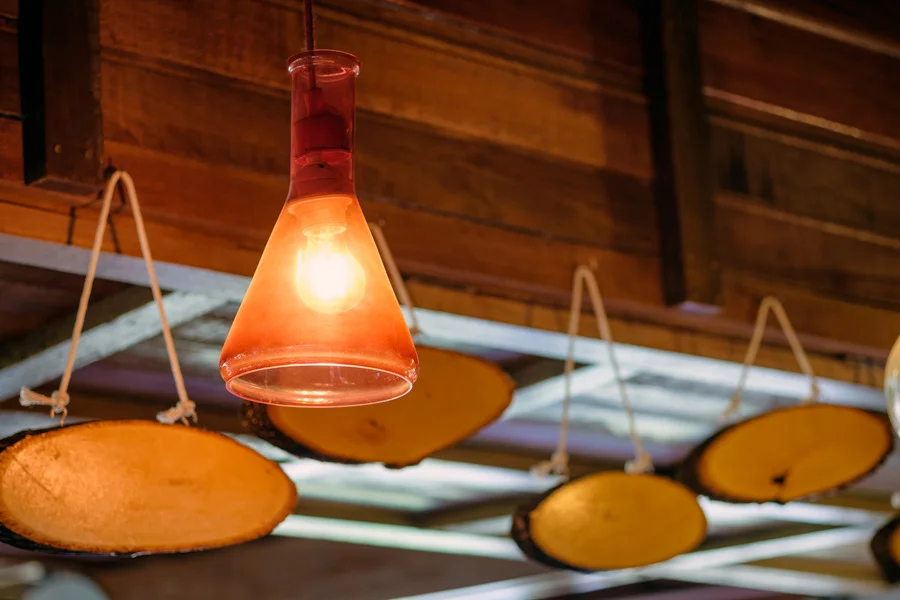
To keep your eyes comfortable while working, it’s important to have the right lighting. Here are some tips:
A good mix of lighting types can help create a productive environment:
When working from home, video calls are common. Here’s how to choose the right bulbs:
Good lighting is essential for a productive home office. It not only helps you see better but also keeps you focused and comfortable.
For the best results, consider using LED bulbs as they are more energy-efficient and last longer than traditional options. They can last up to 25,000 hours, making them a smart choice for your home office lighting.
When selecting bulbs for outdoor use, weather-resistant bulbs are essential. These bulbs are designed to withstand various weather conditions, ensuring longevity and safety. Here are some options:
Proper security lighting is crucial for safety. Consider the following:
To enhance your outdoor experience, focus on lighting design. Here are some tips:
Outdoor lighting not only improves safety but also enhances the beauty of your home. Thoughtful lighting placement can transform your garden into a magical space at night.
| Type of Bulb | Lifespan (Hours) | Energy Efficiency | Best Use |
|---|---|---|---|
| LED | 15,000 - 25,000 | High | General outdoor lighting |
| Halogen | 2,000 | Moderate | Security lighting |
| CFL | 10,000 | Moderate | Decorative lighting |
When planning your outdoor lighting, think about how it can improve your space and safety. Proper lighting not only brightens up your garden but also makes it more inviting. For expert advice and to find local tradesmen who can help, visit our website today!
In summary, picking the right light bulb for each room in your home can make a big difference. Each space has its own lighting needs, whether it’s the bright lights needed in the kitchen or the soft glow preferred in the bedroom. By understanding the types of bulbs available, along with their brightness and colour temperature, you can create a comfortable and inviting atmosphere. Remember, using energy-efficient bulbs like LEDs not only helps the environment but also saves you money in the long run. So, take the time to choose wisely and enjoy the benefits of well-lit spaces!
There are several types of light bulbs, including incandescent, LED, CFL, and halogen. Each type has its own features and benefits.
Brightness is measured in lumens. For example, living rooms generally need about 1,500 to 3,000 lumens, while kitchens may require 3,000 to 4,000 lumens.
Colour temperature is measured in Kelvins (K). For warm, inviting spaces like living rooms and bedrooms, aim for 2,700 to 3,000 K.
Yes, LED bulbs are more expensive upfront but last much longer and use significantly less energy, saving you money in the long run.
It's best to avoid CFL bulbs in bathrooms because they can burn out quickly due to frequent on-off switching. Consider using LED or halogen bulbs instead.
For outdoor spaces, choose weather-resistant bulbs and consider security lighting to keep your home safe.
In today's world, choosing the right light bulb is more important than ever. With various options available, understanding the differences between halogen and LED bulbs can help you make an informed decision. This article will explore key aspects of both types of bulbs, from energy efficiency to safety considerations, ensuring you know which one suits your needs best.
Key Takeaways
- LED bulbs are far more energy-efficient, using up to 85% less power than halogen bulbs.
- While halogen bulbs are cheaper initially, their shorter lifespan makes LED bulbs more economical in the long run.
- LEDs produce less heat, making them safer to handle and reducing the risk of burns or fires.
- Halogen bulbs emit UV radiation, while LEDs do not, making LEDs a healthier choice for indoor lighting.
- LEDs offer a wider range of colour temperatures, allowing for more versatile lighting options.

When it comes to energy efficiency comparison, LED lightbulbs are a clear winner. They use up to 85% less electricity than traditional halogen bulbs, which translates to significant cost savings with LED lighting on your electricity bills.
| Bulb Type | Power Consumption (Watts) | Lifespan (Hours) | Annual Cost (Approx.) |
|---|---|---|---|
| Halogen | 60 | 1,500 | £10 |
| LED | 10 | 25,000 | £2 |
LED bulbs can last up to 25,000 hours, while halogen bulbs typically last around 1,500 hours. This means that by choosing LEDs, you will not only save on energy costs but also on replacement costs.
By opting for LED lighting, you are making a choice that is both eco-friendly and economically wise, helping to reduce your carbon footprint.
The LED environmental impact is significant. By switching to LED bulbs, households can reduce their carbon dioxide emissions by up to 55kg per year. This is equivalent to the emissions from driving a car for about 190 miles. Furthermore, with the halogen phase-out in many regions, LEDs are becoming the standard for energy-efficient lighting solutions.
In summary, choosing LED bulbs not only benefits your wallet but also contributes to a more sustainable future. They are the ideal choice for anyone looking for eco-friendly lighting options that provide both quality and efficiency.
When comparing LED lightbulbs vs. halogen bulbs, one key difference is the colour temperature. Halogen bulbs typically emit a warm light, around 3000K, while LEDs can range from warm to cool, offering flexibility in lighting choices. This means you can select the perfect light for any room or activity.
In terms of brightness, LEDs are generally more efficient. They produce more lumens per watt compared to halogen bulbs. Here’s a quick comparison:
| Type of Bulb | Lumens per Watt | Average Lifespan |
|---|---|---|
| Halogen | 16-24 | 1,500 hours |
| LED | 80-100 | 25,000 hours |
This shows that halogen vs. LED brightness is not just about initial output but also about longevity and efficiency.
LED dimming capabilities are another advantage. Unlike halogen bulbs, which can sometimes flicker when dimmed, LEDs provide smooth and consistent dimming. This allows for better control over the atmosphere in your space, whether you want bright light for tasks or a softer glow for relaxation.
Choosing the right lighting can significantly impact your home’s atmosphere and energy costs. Lighting cost reduction is achievable with the right bulb choices.
In summary, LEDs offer a broader range of colour temperatures, higher brightness levels, and better dimming options compared to halogen bulbs. This makes them a more versatile choice for various applications, from residential to commercial settings. Long-lasting lightbulbs like LEDs not only save money but also enhance the quality of light in your environment.
When considering lightbulbs, the initial cost can be a deciding factor. Halogen bulbs are generally cheaper to buy, often priced around £1.90 each, while LED bulbs can cost about £4.28. However, this upfront cost is just one part of the equation.
Switching to LED bulbs can lead to significant savings over time. For example, the cost of running an LED bulb ranges from 7-20 watts per hour, while an equivalent halogen bulb uses 35 to 500 watts per hour to emit the same amount of light. This means:
LED bulbs require less maintenance due to their longer lifespan. This means fewer trips to the store and less hassle replacing bulbs. In a typical home with 20 GU10 bulbs, switching to LEDs can save you about £393 annually, covering the initial cost in just five months.
By investing in LED technology, you not only save money but also contribute to a more sustainable future.
In summary, while halogen bulbs may seem cheaper at first, the long-term savings and benefits of LED bulbs make them a more valuable choice for both your wallet and the environment.
Halogen bulbs produce a lot of heat, which can be a fire hazard. This heat can ignite nearby materials if the bulbs are not installed correctly. In contrast, LED bulbs emit very little heat, making them a safer option for homes and businesses.
Halogen bulbs emit some ultraviolet (UV) radiation, which can be harmful with prolonged exposure. LED bulbs, however, emit negligible UV radiation, making them a safer choice for indoor environments.
Halogen bulbs do not contain mercury, which is a toxic substance. On the other hand, some types of LED bulbs may contain small amounts of mercury. However, the levels are generally low and pose minimal risk if the bulbs are handled properly.
| Feature | Halogen Bulbs | LED Bulbs |
|---|---|---|
| Heat Emission | High | Low |
| UV Radiation | Moderate | Low |
| Mercury Content | None | Minimal |
Choosing the right light bulb is essential for safety. LED bulbs are generally considered the safest and healthiest light bulbs for your home. With the Halogen ban UK 2021, many are switching to LEDs for better safety and efficiency.
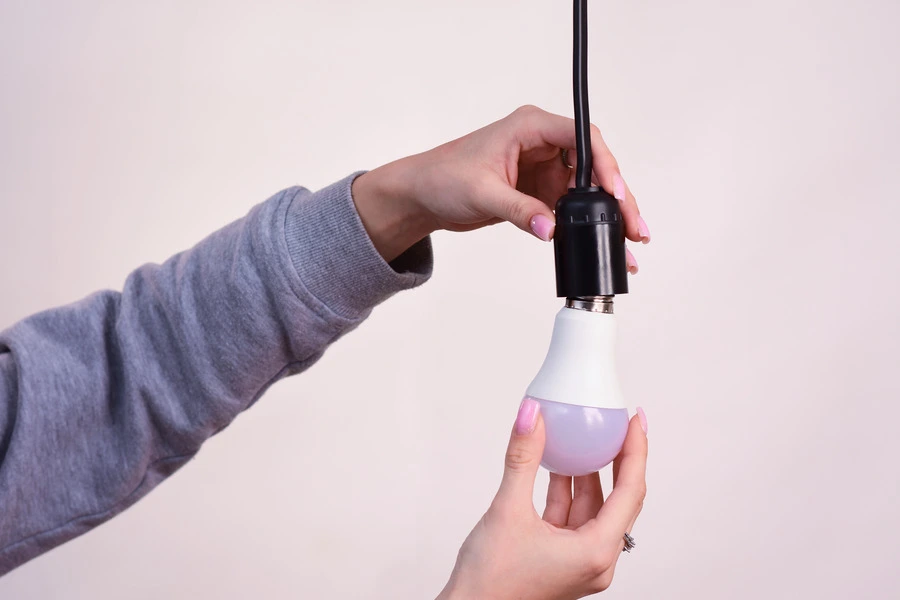
In homes, LED bulbs are becoming the preferred choice due to their energy efficiency and long lifespan. They can be used in various fixtures, including:
Businesses are increasingly switching to LED lighting for:
LED lights are ideal for outdoor settings because they are:
In summary, the versatility of LED bulbs makes them suitable for a wide range of applications, from homes to large commercial spaces. Today's LED bulbs are relatively future proof and available in all shapes, sizes, colour temperatures and light outputs suitable for replacing halogens in various settings.
Halogen bulbs operate similarly to traditional incandescent bulbs. They use a filament encased in halogen gas. When electricity flows through the filament, it heats up and produces light. This process is known as the halogen cycle, which allows the bulb to be more efficient than standard incandescent bulbs.
In contrast, LED bulbs function through a semiconductor. When an electrical current passes through the diode, it emits light. This means that LEDs convert more energy into light rather than heat, making them much more energy-efficient.
LED technology has seen significant improvements over the years. Here are some key advancements:
LED bulbs are not only more efficient but also safer to handle, as they do not get as hot as halogen bulbs.
| Feature | Halogen Bulbs | LED Bulbs |
|---|---|---|
| Power Consumption | High (80-90% heat) | Low (10-20% heat) |
| Lifespan | Short (1,500 hours) | Long (25,000 hours) |
| Durability | Fragile (glass) | Durable (plastic) |
In today's world, technology plays a huge role in how we connect with skilled tradesmen. If you're looking for reliable help in Cornwall, visit our website to find the right tradesman for your needs. Don't miss out on the chance to get quality service!
In summary, when comparing halogen and LED lightbulbs, it’s clear that LEDs have the upper hand. They last much longer, use less energy, and are generally safer to handle. Although halogen bulbs may be cheaper to buy initially, their shorter lifespan and higher energy costs can add up over time. Furthermore, LEDs come in a variety of colours and brightness levels, making them a versatile choice for any setting. As we move towards a more eco-friendly future, opting for LED bulbs is a smart decision for both your wallet and the environment.
LED bulbs use a semiconductor to create light, while halogen bulbs use a filament that gets hot. This means LEDs are more energy-efficient and last much longer than halogens.
LED bulbs are generally brighter than halogen bulbs. For example, a 15-watt LED can shine as brightly as an 85-watt halogen.
Yes, LED bulbs are better for the environment as they use less energy and last longer, which means fewer bulbs end up in landfills.
Both types produce heat, but halogen bulbs create much more. About 80% of the energy used by halogen bulbs turns into heat.
Yes, you can replace halogen bulbs with LED ones, but make sure to check the voltage to ensure they are compatible.
LED bulbs can last up to 25,000 hours, while halogen bulbs usually last around 3,600 hours.
Understanding the building regulations for electrical work in Cornwall is crucial for homeowners. Part P of the Building Regulations outlines essential safety standards and compliance requirements. This guide will simplify these regulations, helping you ensure your home is safe and legally compliant.
Key Takeaways
- Part P is vital for safe electrical work in homes and gardens.
- Homeowners must notify local authorities for certain electrical jobs.
- Using a qualified electrician ensures compliance and safety.
- Regular inspections can prevent electrical hazards.
- Staying informed about regulations protects your home and family.

Part P is a section of the building regulations that focuses on electrical safety in homes. Introduced in January 2005, it mandates that most electrical work must be performed by a Part P certified electrician in Cornwall. This ensures that installations are safe and comply with legal standards.
The importance of Part P lies in its role in protecting homeowners from unsafe electrical installations. It requires certain electrical jobs to be reported to the local authority before work begins. This process helps ensure that the work is inspected and meets safety standards. Key reasons for compliance include:
Anyone carrying out electrical work in homes must comply with Part P. This includes:
Compliance with Part P is essential for ensuring that electrical installations are safe and reliable. Regular checks and hiring qualified professionals can prevent many common electrical issues.
In summary, understanding and adhering to Part P of the Building Regulations is crucial for anyone involved in electrical work in Cornwall. It not only ensures safety but also protects homeowners legally and financially.
In Cornwall, electrical work is classified into two categories: notifiable and non-notifiable work. Notifiable work includes tasks that must be reported to the Local Authority Building Control (LABC) before starting. Examples of notifiable work are:
Non-notifiable work, on the other hand, does not require prior notification. This includes tasks like replacing light switches or sockets. However, even for non-notifiable work, an Electrical Compliance Certificate should be provided upon completion.
To ensure safety and compliance, all new electrical installations or significant modifications must be certified by a qualified electrician. This certification confirms that the work meets BS 7671 Compliance standards. Homeowners should always request an electrical compliance certificate after any work is completed.
The Local Authority Building Control plays a crucial role in overseeing electrical work in Cornwall. They ensure that all notifiable work complies with safety regulations. Homeowners must notify the LABC about any notifiable work at least two days before starting. This process helps maintain safety standards and protects homeowners from potential issues with home insurance and electrical compliance.
Regular checks and proper documentation are essential for ensuring that your electrical installations are safe and compliant with regulations.
By understanding these key compliance requirements, homeowners can ensure that their electrical work is safe, legal, and up to standard. This not only protects their property but also increases the overall safety of their home.
Homeowners in Cornwall should adhere to the British Standards, specifically BS 7671, which sets out the requirements for safe electrical installations. These standards are regularly updated to ensure that electrical systems remain safe and reliable. Staying informed about these changes is crucial for maintaining safety in your home.
To ensure electrical safety in homes, it’s important to follow these basic practises:
Regular maintenance is essential for preventing hazards associated with outdated wiring. Homeowners should conduct checks at least every 10 years for owner-occupied homes and every 5 years for rental properties. This helps in identifying issues early and ensuring compliance with electrical installation condition report (EICR) requirements.
Regular inspections can help prevent electrical fires and ensure compliance with electrical rewire regulations.
| Maintenance Type | Frequency | Purpose |
|---|---|---|
| EICR | Every 10 years (owner-occupied) / 5 years (rental) | Assess safety of installations |
| PAT Testing | Annually recommended | Ensure appliance safety |
| General Checks | As needed | Identify potential hazards |

Homeowners in Cornwall have a crucial role in maintaining the safety of their electrical systems. This includes:
Regular inspections are essential to prevent hazards and ensure safety.
When it comes to electrical work, it’s vital to hire registered electricians in Cornwall. This ensures:
Ignoring electrical regulations can lead to serious consequences. Homeowners should be aware that:
Adhering to local regulations not only ensures safety but also protects your investment in your home.
By understanding these responsibilities, homeowners can contribute to a safer living environment and avoid potential pitfalls related to electrical work.
One of the most common problems in many homes, especially older ones, is outdated wiring. Signs that your wiring may need an upgrade include:
Upgrading your electrical system can enhance safety and efficiency, helping to prevent potential hazards.
Another frequent issue is overloaded circuits. This happens when too many devices are connected to a single circuit, which can lead to overheating and even fires. To prevent this:
Regular inspections are crucial for maintaining a safe electrical system. Homeowners should schedule these checks to identify and address potential issues before they become serious problems.
Regular maintenance and inspections can save you from costly repairs and ensure the safety of your home.
By being aware of these common electrical issues and taking proactive steps, homeowners can significantly reduce risks and ensure a safer living environment. Remember, hiring qualified electricians is essential for any electrical work to comply with local regulations and standards. For more information, consider platforms like cornish tradesmen, which connect you with trusted local professionals.
These organisations play a crucial role in ensuring electrical safety. They provide certifications and maintain lists of qualified electricians. Using registered electricians from these organisations helps ensure that the work meets safety standards. Here are some key points about each:
The Registered Competent Person Scheme allows electricians to self-certify their work. This means they can confirm that their installations comply with the Building Regulations without needing to notify the local authority. This scheme was introduced to simplify the process of finding qualified electricians.
When looking for a qualified electrician in Cornwall, consider the following steps:
It is essential to choose a qualified electrician to ensure the safety of your home and compliance with local regulations. Cornish tradesmen connect locals with skilled professionals, making it easier to find trusted electricians in your area.
Professional organisations play a vital role in supporting tradespeople. They offer resources, training, and networking opportunities that help members improve their skills and grow their businesses. If you're a tradesman looking to connect with others in your field and get found by locals, visit our website to find out how we can help your business grow too!
In summary, understanding and following Cornwall's electrical regulations is vital for every homeowner. These rules, especially Part P, are designed to keep your home safe from electrical hazards. By hiring qualified electricians and ensuring regular inspections, you can protect your family and property. Staying informed about these regulations not only helps you avoid legal issues but also ensures your home remains a safe place. Always remember, safety should be your top priority when it comes to electrical work.
Part P is a section of the building rules that focuses on electrical safety in homes. It was introduced to ensure that electrical work is done safely and correctly.
Following these rules helps prevent dangerous situations like electrical fires. It also ensures that your electrical systems are safe and reliable.
Anyone doing electrical work in homes must comply with Part P. This includes homeowners, builders, and electricians.
If you don’t follow the rules, you could face fines or legal action. It’s essential to comply to keep your home safe.
Yes, you can do small jobs like changing a light switch. However, for larger projects, it’s best to hire a qualified electrician.
It’s a good idea to have your electrical system checked every 5 to 10 years, or more often if your home is older.
