When it comes to holiday homes, ensuring electrical safety is crucial for the well-being of guests and the property itself. With many regulations in place, holiday home owners must be diligent in maintaining electrical systems and equipment. This article provides essential information on electrical safety checks that every holiday home owner should know.
Key Takeaways
- Regularly inspect all electrical systems and appliances to prevent hazards.
- Hire qualified electricians to carry out safety checks every five years.
- Provide clear instructions for guests on using electrical appliances safely.
- Ensure that all electrical equipment meets legal safety standards.
- Keep a record of all inspections and maintenance for accountability.
As a holiday home owner, you must follow electrical safety regulations to ensure the safety of your guests. The Electricity at Work Regulations (1989) require that all electrical systems in your property are maintained to prevent danger. This includes ensuring that all electrical installations and appliances are safe and compliant with current standards.
Compliance with these regulations is crucial for several reasons:
Failing to comply with electrical safety regulations can lead to serious consequences:
Regular inspections and maintaining safety records are essential to demonstrate your commitment to electrical safety. Having an Electrical Installation Condition Report (EICR) can provide proof of compliance and safety for your property.
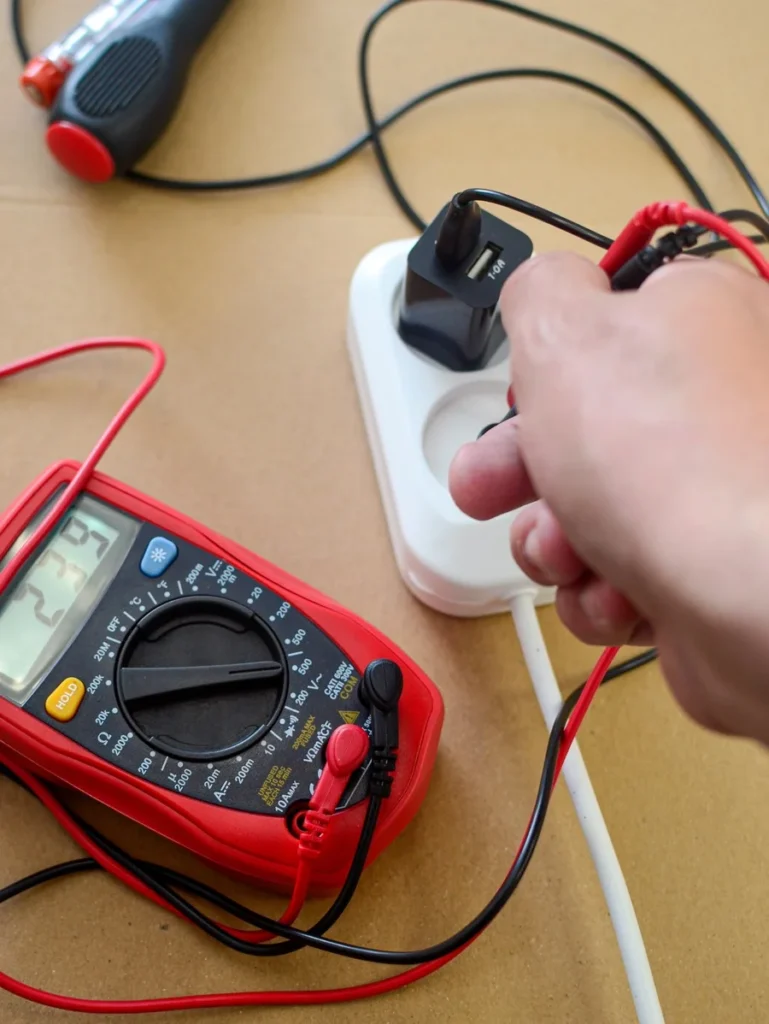
Circuit breakers and fuses are crucial for protecting your holiday home from electrical faults. They automatically cut off the electricity supply when there’s a fault, preventing potential fires or damage. Every holiday home should have these devices installed.
RCDs are essential safety devices that disconnect the circuit when they detect an imbalance in the electrical current. This is particularly important in areas where water is present, such as kitchens and bathrooms. It’s advisable to test RCDs regularly to ensure they function correctly.
Having smoke and carbon monoxide detectors is vital for the safety of your guests. These devices alert you to dangerous situations, allowing for quick action. Here’s a quick checklist for these detectors:
Regular checks and maintenance of your electrical appliances are essential to ensure safety and compliance with health and safety regulations for holiday lets.
| Equipment Type | Purpose | Frequency of Check |
|---|---|---|
| Circuit Breakers and Fuses | Protect against electrical faults | Annually |
| Residual Current Devices (RCDs) | Prevent electric shock | Monthly |
| Smoke Detectors | Alert for fire hazards | Monthly |
| Carbon Monoxide Detectors | Detect harmful gas leaks | Monthly |
By ensuring that these essential electrical safety devices are in place and regularly maintained, you can significantly reduce the risk of electrical hazards in your holiday home.
Regular visual inspections are crucial for maintaining electrical safety in your holiday home. At each changeover, ensure that you or your maintenance team check all appliances for any signs of damage or faults. Look out for:
Keeping a record of these checks is essential to demonstrate your commitment to safety checks.
In addition to visual checks, it’s important to schedule professional electrical testing. An EICR inspection should be conducted at least every five years, or more frequently depending on the usage and condition of your electrical systems. This report will help identify any potential hazards and ensure compliance with safety regulations.
Maintaining thorough records of all inspections and tests is vital. This includes:
By keeping these records, you can ensure that you are meeting your legal obligations and providing a safe environment for your guests.
As a responsible holiday let owner, you can’t afford to be complacent where electrical safety is concerned.
Overloading circuits is a common issue in holiday homes, especially when multiple appliances are used simultaneously. This can lead to overheating and potential fires. Holiday let owners should ensure that circuits are not overloaded by following these guidelines:
Faulty wiring can pose serious risks, including electric shocks and fires. It’s crucial for private rental landlords to be vigilant about the condition of their wiring. Here are some steps to take:
Damaged appliances can be hazardous, especially if they are not maintained properly. Guest safety is paramount, so consider the following:
Regular checks and maintenance are essential to prevent hazardous faults in your holiday home. This not only protects your property but also ensures a safe environment for your guests.
By being proactive about these common electrical hazards, holiday home owners can fulfil their duty of care and provide a safe and enjoyable experience for all visitors.
When it comes to ensuring electrical safety in your holiday home, hiring a qualified electrician is crucial. Here are some key points to consider:
Hiring a qualified electrician not only ensures compliance with safety regulations but also protects your guests and property from potential hazards.
By following these guidelines, you can find a skilled electrical engineer who will help keep your holiday home safe and compliant.
Using energy-efficient appliances is a smart choice for holiday homes. These appliances not only save energy but also reduce electricity bills. Here are some benefits:
Good lighting is essential for safety and comfort. Consider these options:
Integrating smart home technology can enhance safety and efficiency. Here are some features to consider:
Investing in energy-efficient solutions not only protects the environment but also ensures the safety of your guests.
In addition, ensure that your consumer units are up to date and compliant with safety standards. Regular checks can prevent hazards and ensure that your holiday home remains a safe haven for visitors. Remember, holiday lighting safety and efficiency installation is crucial; consider professional services to enjoy energy-saving displays without the risk.
Having a clear emergency plan is essential for any holiday home. This plan should include:
It’s crucial to provide guests with a list of emergency contacts. This list should include:
In case of electrical injuries, it’s important to know basic first aid:
Always ensure that your guests are aware of the emergency procedures. This can help prevent panic and ensure everyone knows what to do in a crisis. Fire safety in holiday lets is a key aspect of this preparation, as it helps identify risks and take necessary precautions.
Being ready for emergencies is crucial for everyone. Make sure you have a plan in place and know what to do in case of unexpected events. For more tips and resources on how to prepare effectively, visit our website today!
In conclusion, ensuring electrical safety in your holiday home is not just a legal requirement but also a vital part of protecting your guests. Regular checks and maintenance of electrical systems and appliances can prevent accidents and keep everyone safe. If your property is left empty for long periods, it’s crucial to have a qualified electrician inspect it every few years. Always provide clear instructions for guests on how to use appliances safely and encourage them to report any issues. By taking these steps, you can enjoy peace of mind knowing that your holiday home is a safe place for visitors.
When holiday homes aren’t used for a while, their electrical systems and appliances can get worse over time. Problems like dampness or pests, such as rats, can also occur without anyone noticing. This can lead to a higher chance of electric shocks or fires, so it’s important to check them regularly.
If you don’t live close to your holiday home, it’s wise to hire a qualified electrician to check the electrical systems every five years. Additionally, have them inspect the appliances each year to ensure they are safe.
It’s essential to provide the user manuals for all appliances in your holiday home. Also, ask guests to let you know if they notice any issues so you can fix them quickly.
As a holiday let owner, you must follow the Electrical Equipment (Safety) Regulations 1994. This means ensuring that all electrical equipment is safe for use, whether it’s new or second-hand.
It’s recommended to have your electrical systems inspected at least every five years. However, this can vary based on the type of equipment and how it’s used.
PAT testing checks the safety of electrical appliances to find any faults. Although it’s not legally required, it’s a good idea to have this done annually to ensure all appliances are safe for guests.
Maintaining the plumbing system in your holiday home is essential to ensure a stress-free experience. Proper upkeep not only helps prevent costly repairs but also provides peace of mind while you're away. In this article, we will explore various aspects of plumbing maintenance, from understanding your system to dealing with common issues and winterising your property.
Key Takeaways
- Regular checks can prevent significant plumbing issues.
- Using eco-friendly products is beneficial for both the environment and your plumbing.
- Winterising your property is crucial to avoid frozen pipes.
- Knowing when to call a professional can save time and money.
- Upgrading fixtures can improve efficiency and reduce water bills.
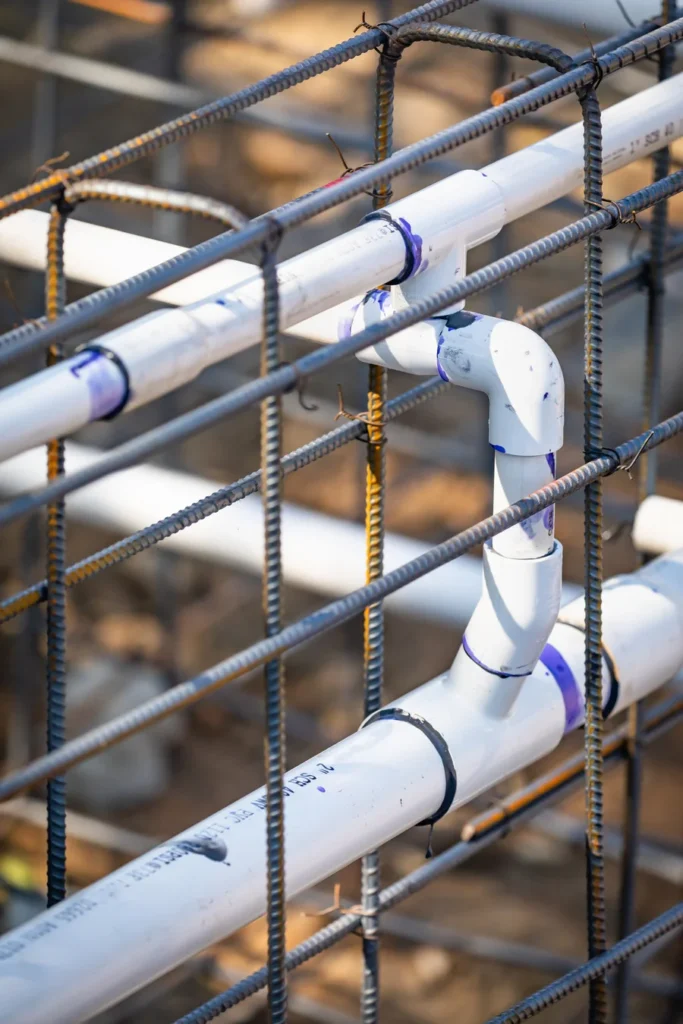
Understanding the plumbing system in your holiday home is essential for effective maintenance. Key components include:
The plumbing system operates by using a network of pipes to deliver fresh water and remove waste. Water enters your home through the main supply line, flowing into various fixtures. Gravity helps in draining wastewater through the pipes to the sewer system.
Different materials are used in plumbing, each with its own benefits:
| Material | Description |
|---|---|
| Copper | Durable and resistant to corrosion. |
| PVC | Lightweight and easy to install. |
| PEX | Flexible and ideal for retrofitting. |
Understanding your holiday home plumbing system can save you time and money in the long run. Regular checks can prevent major issues.
In summary, knowing the key components, how the system works, and the materials used will help you maintain your plumbing effectively. Thermino is a compact and efficient alternative to hot water cylinders, providing reliable on-demand hot water for holiday homes and hot tubs.
Regular inspections are crucial for maintaining your holiday home. Here are some key areas to check:
Each season brings its own maintenance tasks. Consider the following:
Using eco-friendly products not only helps the environment but can also save you money. Here are some benefits:
Regular maintenance is essential to avoid expensive repair bills. By staying proactive, you can ensure your holiday home remains in top condition for guests.
Leaky taps can be a real nuisance, wasting water and increasing your bills. Here are some steps to fix them:
Clogged drains can lead to serious plumbing emergencies. To clear them:
| Method | Effectiveness | Time Required |
|---|---|---|
| Plunger | Moderate | 5 minutes |
| Baking Soda & Vinegar | High | 15 minutes |
| Drain Snake | Very High | 30 minutes |
Low water pressure can be frustrating. Here’s how to tackle it:
Regular maintenance can prevent many plumbing issues. Keeping an eye on your plumbing system helps manage wear and tear, especially in your holiday home.
By following these tips, you can effectively deal with common plumbing problems like burst pipes, cracked basins, and more. Remember, if you encounter serious plumbing repairs, it’s best to call a professional.
As winter approaches, it’s essential to prepare your holiday home for the harsh conditions. Proper winterisation can prevent costly damage and ensure your property remains safe and secure.
Winterising your holiday home is crucial for holiday home management. It not only protects your property but also ensures guest readiness for the next season. Regular checks can help prevent issues like damp and mould, which can arise from unoccupied properties.
By following these steps, you can ensure your holiday home is well-prepared for winter, safeguarding it against the elements and potential damage.
Knowing when to call a plumber can save you time and money. Here are some signs:
When selecting a plumber, consider the following:
Plumbing costs can vary widely. Here’s a simple breakdown:
| Service Type | Average Cost (£) |
|---|---|
| Emergency Call-Out | 100 - 200 |
| Routine Maintenance | 50 - 100 |
| Major Repairs | 200 - 500+ |
Reliable tradesmen can help you avoid costly mistakes. Always ask for a detailed quote before work begins.
Hiring a professional can prevent small issues from becoming major headaches. Always choose wisely!
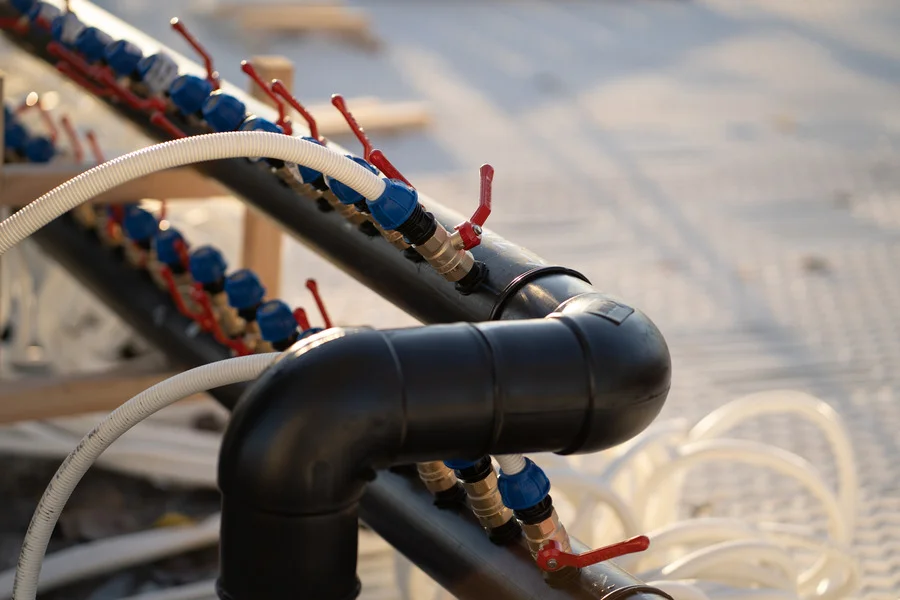
Upgrading your fixtures can greatly enhance the efficiency of your plumbing system. Consider the following:
Investing in energy-efficient appliances can save you money in the long run. Here are some options:
Smart technology can help you manage your plumbing system more effectively. Consider:
Upgrading your plumbing system not only improves efficiency but also enhances the comfort of your holiday home. Regular plumbing inspections can help identify areas that need attention.
Remember, prioritising your plumbing upgrades can prevent costly repairs in the future. Regular gutter cleaning and a professional plumbing check are essential to maintain your system's health. Don't overlook the importance of internal drainage to avoid water damage.
Installing low-flow fixtures is a simple way to reduce water usage without sacrificing performance. These fixtures can help save a significant amount of water:
Collecting rainwater is an eco-friendly way to conserve water. Here’s how you can do it:
Leaks can waste a lot of water, so it’s crucial to find and fix them promptly. Here are some steps:
Remember, conserving water not only helps the environment but also reduces your utility bills. Every drop counts!
Saving water is crucial for our planet and can be easily done at home. Simple actions like fixing leaks, using water-efficient appliances, and collecting rainwater can make a big difference. Every drop counts! For more tips on how to conserve water and help the environment, visit our website today!
In conclusion, taking care of your plumbing before heading off to your holiday home is essential. By following simple steps like checking for leaks, adjusting your heating, and ensuring everything is secure, you can avoid unpleasant surprises when you return. Regular maintenance not only protects your property but also gives you peace of mind while you enjoy your time away. Remember, a little effort now can save you from big problems later!
Before you go, check your pipes and make sure your heating is set to a low temperature to prevent freezing. Turning off the water at the main tap can also help avoid leaks.
Look for water stains on walls or ceilings, or check for damp spots around the house. If you hear water running when no taps are on, that could be a sign too.
You can check for leaks, clean your drains, and ensure that your radiators are working properly. It’s also good to keep an eye on your water bill for any sudden increases.
If you notice persistent leaks, low water pressure, or if you’re unsure how to fix a problem, it’s best to call a plumber to avoid further damage.
Installing low-flow taps and showerheads, fixing leaks quickly, and using rainwater for gardening are all great ways to save water.
If you suspect frozen pipes, turn on the taps and apply heat gently to the pipes using a hairdryer or warm towels. Never use an open flame.
Keeping a holiday cottage dry and free from damp is essential for maintaining its value and ensuring a pleasant environment for guests. Damp and mould can cause serious health issues and damage to the property, making it crucial to implement effective prevention strategies. This article explores various methods to safeguard your cottage from moisture and mould, ensuring a welcoming retreat for all who visit.
Key Takeaways
- Regularly ventilate the property by opening windows and doors to improve airflow.
- Use dehumidifiers to manage moisture levels, especially in damp-prone areas.
- Choose moisture-resistant materials for construction and furnishings.
- Conduct seasonal inspections to identify and address potential damp issues early.
- Invest in smart home technology for remote monitoring and automated ventilation.
Damp and mould can be a significant issue in unoccupied holiday cottages. Understanding the causes is the first step in mould prevention. Here are some key factors:
Maintaining a dry environment is crucial for preventing mould. Regular checks and proper maintenance can save you from costly mould remediation later on.
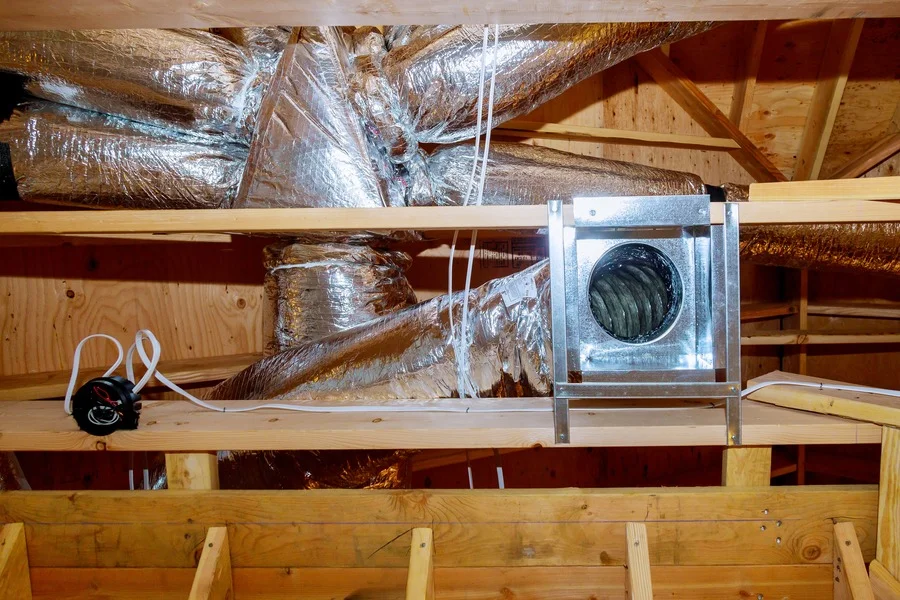
To keep your holiday cottage dry and comfortable, ventilation systems are essential. These systems help to manage air circulation and reduce moisture levels. Here are some effective options:
Natural ventilation is a simple yet effective way to improve air quality. Here are some tips:
Maintaining regular airflow is crucial for preventing damp and mould. Consider these strategies:
Regular ventilation is key to maintaining a healthy environment in your holiday cottage. It not only prevents damp but also enhances the overall comfort for guests.
By implementing these ventilation tips, you can significantly reduce the risk of damp and mould in your unoccupied holiday cottage, ensuring it remains a welcoming space for visitors.
Managing moisture is crucial for keeping your holiday cottage dry and comfortable. Here are some effective techniques:
Keeping your holiday cottage dry is not just about comfort; it’s about protecting your investment and ensuring a healthy environment for guests.
By implementing these moisture control techniques, you can significantly reduce the chances of damp and mould in your holiday cottage, ensuring a pleasant stay for all visitors.
Preparing your holiday cottage for winter is crucial to prevent damage from cold weather. Here are some essential steps:
During the warmer months, humidity can lead to damp and mould. To combat this:
Regular inspections are vital for maintaining your holiday cottage. Consider the following:
Regular maintenance not only protects your investment but also improves the overall guest experience.
When selecting materials for your holiday cottage, moisture-resistant materials are essential. These materials help prevent damp from penetrating the structure. Consider using:
Proper insulation is crucial for maintaining a dry environment. It helps keep the heat in and moisture out. Here are some effective insulation options:
Investing in quality building materials not only protects your property but also offers long-term benefits:
Choosing the right materials is not just about aesthetics; it’s about ensuring the longevity and health of your holiday cottage. Regular building inspections can help identify any issues early on, ensuring your investment remains sound.
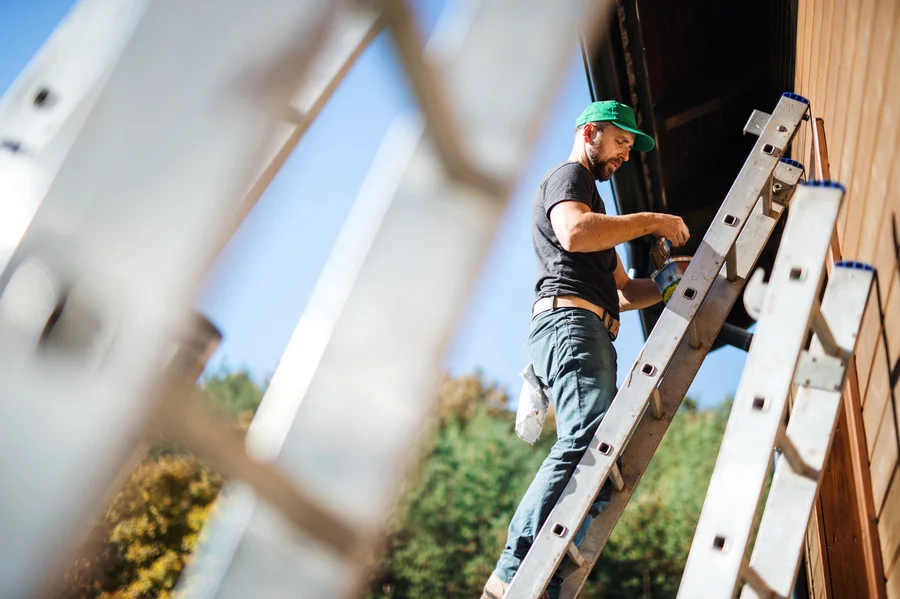
To keep your holiday cottage in top shape, regular property checks are essential. Here are some key areas to focus on:
Spotting damp early can save you from costly repairs. Watch for:
Sometimes, it’s best to call in the experts. Professional inspections can help identify hidden issues. Consider:
Regular monitoring and maintenance not only protect your property but also increase its value and appeal. This is especially important for long-term vacancy situations, where neglect can lead to significant issues.
By implementing these strategies, you can ensure your holiday cottage remains a safe and welcoming space for guests, contributing positively to your community contribution efforts and commercial property management goals.
Smart home technology can play a significant role in dampness prevention. These devices can monitor humidity levels and alert you when they rise too high. Some popular options include:
Remote monitoring systems allow you to keep an eye on your holiday cottage from anywhere. This technology can help you:
Automated ventilation systems can help maintain a healthy indoor environment. They work by:
Investing in technology for damp prevention is not just about comfort; it’s about protecting your property and ensuring a safe environment for guests.
By utilising these technologies, you can significantly reduce the risk of damp and mould in your holiday cottage, ensuring it remains a welcoming space for all.
As a property owner, it’s crucial to be aware of your legal responsibilities regarding damp and mould. Many regions require landlords to ensure their properties are free from these issues, as they can harm the health of tenants. This means you must act quickly on any reports of damp or water damage and make necessary repairs to prevent future problems.
Having the right insurance is essential for protecting your property. Ensure your policy covers:
Regularly review your insurance to make sure it reflects any changes to your property. This will help you avoid potential gaps in coverage that could leave you vulnerable.
If you experience damage, knowing how to file a claim is vital. Here are some steps to follow:
Maintaining a secure and well-insured property not only protects your investment but also ensures peace of mind for you and your tenants.
Implementing strong security measures is key to safeguarding your holiday cottage. Consider:
These steps are especially important for unoccupied properties, as they help prevent unauthorised access and potential interior damage.
By following these guidelines, you can protect your property from damp and mould while ensuring compliance with legal standards and insurance requirements.
When considering legal and insurance matters, it's crucial to ensure you're fully informed. Understanding your responsibilities can save you from potential issues down the line. For more insights and guidance, visit our website today!
Keeping your holiday cottage dry and free from mould is crucial for both comfort and health. By following the tips outlined in this article, you can significantly reduce the risk of dampness. Simple actions like using dehumidifiers, ensuring proper ventilation, and maintaining good heating can make a big difference. Remember, a well-cared-for cottage not only protects your investment but also provides a welcoming space for you and your guests. With a little effort, you can enjoy a mould-free environment, ensuring your holiday retreat remains a pleasant escape for years to come.
Damp and mould can happen due to moisture in the air, poor ventilation, and leaks from plumbing or roofs.
You can improve ventilation by opening windows, using exhaust fans, and keeping doors open between rooms.
Dehumidifiers help to remove excess moisture from the air, which can prevent damp and mould growth.
To prepare for winter, make sure to check for leaks, insulate properly, and keep the heating on low.
Using moisture-resistant materials and good insulation can help prevent damp in your cottage.
It's a good idea to check your property regularly, at least once a month, for any signs of damp or mould.
Managing wear and tear in your Cornish holiday cottage is essential to keep it in great shape for your guests. Regular maintenance and smart choices can help you avoid costly repairs and ensure a pleasant stay for everyone. This guide will provide you with practical tips and strategies to manage your property effectively.
Key Takeaways
- Identify areas that get a lot of foot traffic to focus your maintenance efforts.
- Use strong materials and set clear house rules to prevent damage.
- Schedule regular deep cleans to keep your cottage fresh and welcoming.
- Know when to fix things yourself and when to call in a professional.
- Communicate clearly with guests about care instructions and damage deposits.
In any holiday cottage, certain areas see more foot traffic than others. Identifying these high-traffic zones is crucial for effective wear and tear management. Common high-traffic areas include:
It's important to regularly check for signs of damage. Look out for:
Different seasons can affect your property in various ways. For instance:
| Season | Common Issues | Suggested Actions |
|---|---|---|
| Winter | Dampness, cold drafts | Insulate and check for leaks |
| Spring | Dirt buildup, wear | Deep clean and inspect |
| Summer | Sun damage, fading | Use protective covers |
Regular checks and maintenance can prevent larger issues from developing, ensuring a safe and pleasant stay for your guests.
By understanding these common wear and tear issues, you can better prepare your Cornish holiday cottage for visitors, ensuring it remains a welcoming space throughout the year.
When selecting materials for your holiday cottage, opt for those that can withstand heavy use. Durable materials not only last longer but also reduce the frequency of repairs. Consider the following:
Establishing clear house rules can help manage wear and tear. Here are some suggestions:
Regular checks can prevent small issues from becoming major problems. Consider these maintenance tasks:
Regular maintenance not only keeps your property safe but also ensures a pleasant stay for your guests.
By implementing these preventative measures, you can significantly reduce wear and tear in your Cornish holiday cottage, ensuring it remains a welcoming space for all visitors.

Choosing the right cleaning products is essential for maintaining your holiday cottage. Using suitable products can prevent damage to surfaces and furnishings. Here are some tips:
Regular deep cleaning is vital to keep your property in top shape. Consider the following:
Quickly addressing stains and spills can prevent long-term damage. Here’s how:
Keeping your holiday cottage clean not only enhances guest satisfaction but also prolongs the life of your furnishings and fixtures. Regular maintenance is key to a successful rental property.
Deciding whether to tackle repairs yourself or hire a professional can be tricky. Here are some points to consider:
Finding budget-friendly ways to maintain your property is essential. Here are some tips:
Certain areas of your cottage will experience more wear and tear. Consider these upgrades:
Regular maintenance and timely repairs can significantly extend the life of your property. Investing in quality materials now can save you money later.
By following these renovation tips, you can keep your Cornish holiday cottage in great shape for your guests. Remember, a well-maintained property not only enhances guest satisfaction but also protects your investment.
To ensure a pleasant stay, it’s essential to clearly communicate care instructions to your guests. This can include:
Having the right supplies can greatly improve the guest experience. Consider providing:
Managing expectations around damage deposits is crucial. Here’s how to approach it:
By setting clear expectations, you can help guests feel more comfortable and secure during their stay. This not only enhances their experience but also protects your property.
In addition, regular room inspections can help identify any issues early, ensuring both guest safety and the upkeep of your holiday rental properties. This proactive approach can lead to a smoother experience for everyone involved.
Regular checks and maintenance are essential to keep your holiday cottage in top shape and ensure a safe environment for guests. A well-maintained property not only enhances guest satisfaction but also protects your investment.
When managing a holiday cottage, it’s essential to have access to trustworthy tradespeople. Here are some ways to find them:
Using local suppliers not only supports the community but can also save you money. Consider these options:
Building relationships within the community can be beneficial. Here are some ideas:
Engaging with your local community can lead to valuable connections and resources. Utilising local resources not only helps in maintaining your property but also fosters a sense of community. By sourcing materials and services locally, you can save money and support the economy. Remember, using the support and advice of a holiday let management company can make all the difference to saving money and reducing your holiday costs.
In today’s world, technology can play a big role in keeping your holiday cottage in top shape. Using the right tools can save time and effort. Here are some ways to make the most of technology:
Technology can help you manage your property more effectively, ensuring a better experience for your guests.
By embracing these tools, you can maintain your Cornish holiday cottage efficiently and keep it welcoming for visitors.
Using technology can make maintenance tasks easier and more efficient. By embracing digital tools, you can keep track of repairs and schedules, ensuring everything runs smoothly. If you're looking for skilled tradesmen in Cornwall to help with your maintenance needs, visit our website today!
In summary, managing wear and tear in your Cornish holiday cottage is vital for keeping it in great shape and ensuring guests have a pleasant stay. Regular checks and maintenance can help spot issues before they become big problems. By being proactive, you can save money and keep your property appealing. Remember, a well-maintained cottage not only attracts more visitors but also creates a welcoming atmosphere. So, take the time to care for your property, and it will reward you with happy guests and good reviews.
Yes, you can! We ask owners to limit their stays to six pre-booked weeks each year, including one week in July or August. If the cottage is free seven days before your arrival, you can book it for additional last-minute stays.
You can book your stays through your owner account, which works well with our booking system.
Our team is here to help! We check in with guests to make sure everything is fine and resolve any problems quickly.
Yes, most properties have a damage deposit between £250 and £500, and larger ones may go up to £1000. Guests can choose between a deposit or a non-refundable waiver.
No, you don’t have to use our service if you have your own housekeeper. However, we can assist you if needed.
It's a good idea to have cover for your heating system. We work with companies like Blue Flame and British Gas to offer great packages.
Maintaining a roof for holiday homes near the coast is crucial due to the harsh weather conditions that can cause significant damage. This article provides simple yet effective tips to help you keep your roof in good shape, ensuring your property remains safe and welcoming for guests. From understanding the impact of coastal weather to regular maintenance practises, these guidelines will help you protect your investment and enhance the longevity of your home.
Key Takeaways
- Coastal weather can harm roofs; regular checks are vital.
- Choose durable materials that resist salt and wind damage.
- Seasonal inspections help spot issues early, saving costs.
- Use protective coatings to extend roof life and prevent leaks.
- Keep gutters clear to avoid water damage and flooding.
Living in coastal homes comes with unique challenges due to the coastal climate. The weather can significantly affect your roof, leading to potential costly damage if not properly managed. Here are some key factors to consider:
Keeping your roof in good condition is vital to prevent environmental damage and maintain the integrity of your beach house interior. Regular inspections and maintenance can save you from expensive repairs in the future.
| Weather Factor | Impact on Roof | Prevention Measures |
|---|---|---|
| Salt Air | Corrosion of metal components | Use salt-resistant materials |
| Wind | Damage to roofing materials | Install wind-resistant roofing |
| Humidity | Mould and material weakening | Ensure proper ventilation |
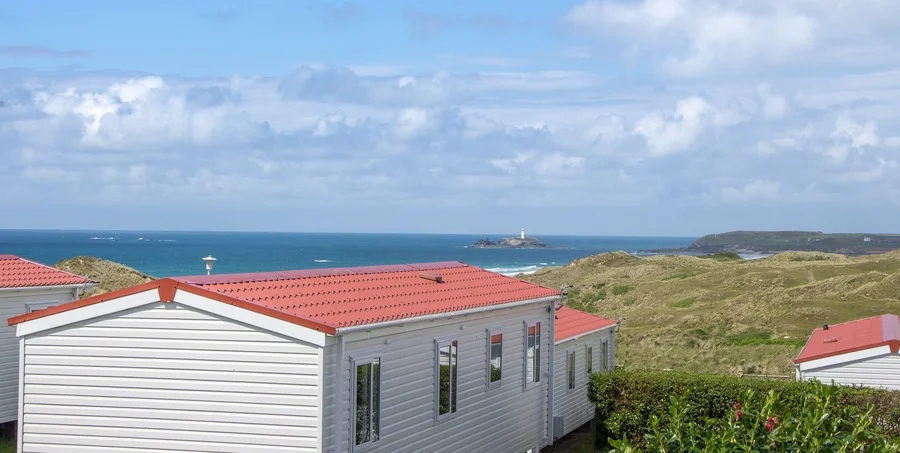
When it comes to roof maintenance, selecting the right materials is crucial for coastal homes. The harsh coastal environment demands materials that can withstand salt air, wind, and moisture. Here are some key considerations:
| Material | Lifespan (Years) | Durability Rating | Maintenance Level |
|---|---|---|---|
| Aluminium | 40-50 | High | Low |
| Stone-coated metal | 50 | Very High | Low |
| Fibreglass shingles | 20-30 | Moderate | Moderate |
Choosing the right roofing materials is essential for protecting your home from the elements, especially in coastal areas. Weather-resistant materials not only enhance durability but also save on long-term maintenance costs.
By understanding the unique challenges posed by coastal weather, homeowners can make informed decisions that ensure their roofs remain strong and effective for years to come.
Maintaining your holiday home is crucial for its property longevity. Regular inspections help ensure that your roof remains in good condition, protecting your investment from coastal weather.
Regular maintenance is key to preventing costly repairs and ensuring your beach house remains a safe retreat for years to come.
| Inspection Type | Frequency | Notes |
|---|---|---|
| Roof Inspection | Twice a year | After storms, if possible |
| Gutter Cleaning | Every season | Prevent water damage |
| Professional Check-Up | Annually | For major issues |
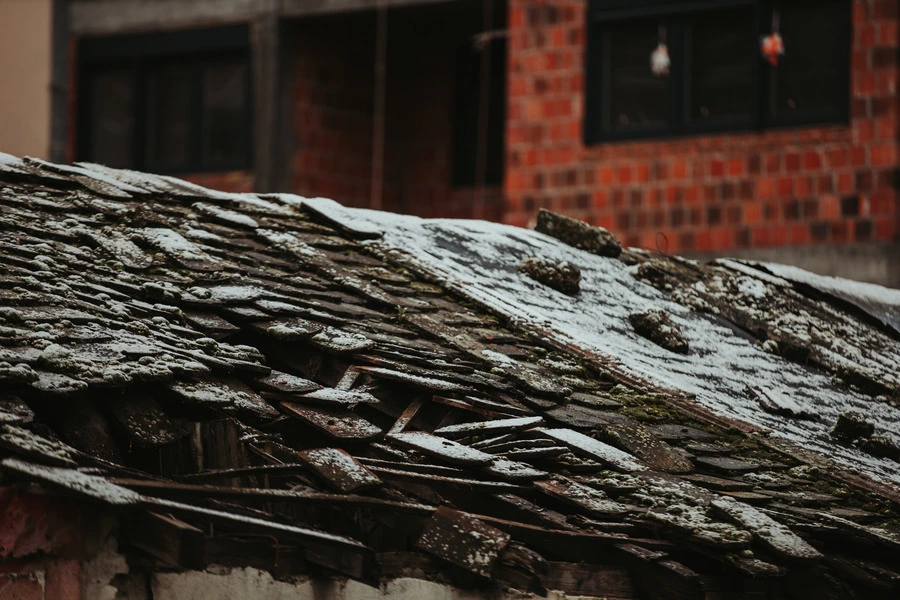
Waterproof coatings are essential for homes near the coast. They provide sand and salt protection, preventing damage from harsh weather. Here are some key benefits:
UV rays can degrade roofing materials over time. Using UV-resistant treatments helps maintain the integrity of your roof. Consider these points:
Corrosion is a significant concern for coastal homes. Implementing anti-corrosion solutions can safeguard your property. Here’s how:
Maintaining your roof with the right treatments is crucial for protecting your home from the elements. Durable furniture and fixtures can also benefit from these protective measures, ensuring longevity and performance.
Keeping your gutters clean is crucial for preventing water damage to your holiday home. Clogged gutters can lead to serious issues, such as leaks and mould. Here are some key points to remember:
To avoid water damage, follow these steps:
Selecting the right materials for your gutters can make a big difference. Consider these options:
Regular maintenance of your gutters is essential for the longevity of your roof and overall property management. By keeping them clear, you can prevent costly repairs and ensure a safe environment for your guests.
To keep your roof in good shape, it’s essential to take steps to prevent the growth of algae, lichens, liverworts and mosses. Here are some effective measures:
If you already have algae or moss on your roof, here are some safe cleaning methods:
To ensure your roof remains free from algae and moss in the long run, consider these options:
Keeping your roof clean and well-maintained not only improves its appearance but also extends its lifespan. Outdoor furniture care is equally important, as algae can spread to these areas, causing further issues.
To ensure your roof can withstand storms, consider the following steps:
If a storm is imminent, take these quick actions:
After a storm, it’s crucial to assess any damage:
Homeowners tips: Regular maintenance and preparation can save you from costly repairs and ensure your holiday home remains safe and welcoming for guests.
By following these guidelines, you can protect your coastal holiday home from the harsh effects of storms and ensure it remains a safe haven for visitors.
When storms approach, being prepared can make all the difference. Ensure you have a plan in place, gather essential supplies, and stay informed about weather updates. For more tips on how to stay safe during storms, visit our website today!
In summary, maintaining your holiday home near the coast is crucial, especially during the winter months. By regularly checking your roof, clearing gutters, and securing windows and doors, you can prevent serious damage from storms and heavy rain. It's also wise to turn off the water supply if your property will be empty for a while, as this can help avoid leaks and flooding. Additionally, ensuring your home is well-lit and secure will keep both your guests and property safe. Taking these simple steps will not only protect your investment but also create a welcoming environment for your visitors.
To protect your roof from coastal weather, regularly inspect it for damage, clear debris from gutters, and consider using durable materials that can withstand salt air and strong winds.
It's a good idea to check your roof at least twice a year, especially before and after the stormy season, to catch any issues early.
Materials like metal, slate, and certain types of tiles are great for coastal roofs as they resist corrosion and can handle harsh weather.
Yes, you can clean your roof yourself, but be cautious. Use safe methods like a soft brush and avoid using harsh chemicals that could harm the environment.
If you find damage, it's best to contact a professional to assess the situation and make repairs to prevent further issues.
To prevent algae and moss, keep your roof clean and consider applying a special treatment that inhibits their growth.
As the tourist season approaches, ensuring that your holiday home is in excellent condition is crucial for a successful rental experience. This article outlines essential repairs and maintenance tasks that will help you prepare your property for guests, ensuring their comfort and safety while protecting your investment.
Key Takeaways
- Regularly check the roof for common issues like leaks and damages.
- Inspect plumbing systems for leaks and ensure pipes are winterised.
- Ensure electrical systems meet safety standards and are up to date.
- Refresh interior and exterior paint with weather-resistant options.
- Enhance security measures by installing modern locks and alarms.
Regular inspections are crucial for maintaining the integrity of your roof. Look for signs of damage such as cracked shingles, missing tiles, or sagging areas. These issues can lead to leaks and further damage if not addressed promptly. Key areas to check include:
If you discover any leaks or damages, it’s essential to act quickly. Here are steps to follow:
Selecting the right materials can significantly impact the longevity of your roof. Consider the following options:
Regular maintenance can prevent costly repairs and ensure the roof's longevity, especially in challenging weather conditions.
By following these guidelines, you can keep your roof in good condition and ready for the tourist season. Remember, proactive maintenance is key to avoiding major issues down the line.
Regular checks for leaks and blockages are essential for maintaining a healthy plumbing system. Identifying issues early can save you money and hassle. Here are some key steps to follow:
Upgrading your plumbing fixtures can improve efficiency and reduce water waste. Consider the following:
As temperatures drop, it’s crucial to protect your plumbing from freezing. Here are some tips:
Regular maintenance is key to ensuring your plumbing system remains functional and efficient. A well-maintained system contributes to overall home hygiene and comfort for your guests.
By following this property upkeep checklist, you can ensure your plumbing is in top shape before the tourist season begins.
Before the tourist season begins, it’s crucial to check all wiring and outlets in your holiday home. Look for signs of wear, such as frayed wires or scorch marks. Regular safety inspections can help prevent electrical hazards. Here are some key points to consider:
Upgrading your electrical system to meet modern standards is essential for safety. This includes:
Adding safety devices can significantly enhance the safety of your property. Consider the following:
Keeping your holiday home safe is not just about compliance; it’s about ensuring a secure environment for your guests. Regular checks and updates can prevent accidents and enhance rental property safety.
When decorating for the holidays, ensure that all electrical decorations are safe to use. Opt for LED lights, which are more energy-efficient and reduce fire risk. Always keep decorations away from heat sources to prevent hazards.
If your property uses gas appliances, ensure they are regularly checked by a qualified professional. This is vital for preventing gas leaks and ensuring the safety of your guests.
Conduct a fire risk assessment to identify potential hazards in your holiday home. This includes checking for flammable materials and ensuring that escape routes are clear.
Before the season starts, test all kitchen appliances to ensure they are functioning correctly. This includes checking ovens, stoves, and refrigerators to prevent any malfunctions during peak usage times.
By following these guidelines, you can ensure that your holiday home is safe and welcoming for all guests, providing peace of mind during the busy tourist season.
When selecting paint for your holiday home, opt for weather-resistant options. This ensures that the exterior can withstand harsh conditions, keeping your property looking fresh. Consider the following:
Before applying new paint, it’s crucial to prepare the surfaces properly. Here are the steps to follow:
If you’re not confident in your painting skills, hiring professionals can save you time and ensure a high-quality finish. Here are some benefits:
Remember, a well-painted home not only looks good but also contributes to a cosy atmosphere creation for your guests.
For a comprehensive approach, consider adding a holiday home maintenance checklist 2024 to your preparations, covering everything from decluttering to testing electrical devices. This will help keep your holiday home in great condition all year round.
Maintaining the garden is essential for holiday home preparation. A well-kept garden not only enhances the property’s appeal but also provides a pleasant environment for guests. Here are some key tasks to consider:
A well-maintained garden can significantly improve the overall experience for guests, making it a vital part of holiday rental maintenance.
By focusing on these areas, property management can ensure that the outdoor space is inviting and functional, contributing to a positive stay for visitors.
To ensure home security checks are effective, it’s crucial to install modern locks and alarms. Here are some key points to consider:
Smart home devices can significantly improve your property’s security. Here’s how:
Regular checks on windows and doors are essential for guest room readiness. Follow these steps:
Regular risk assessment updates can help identify potential security weaknesses in your holiday home. Keeping your property secure not only protects your investment but also enhances the guest experience by ensuring their safety during their stay.
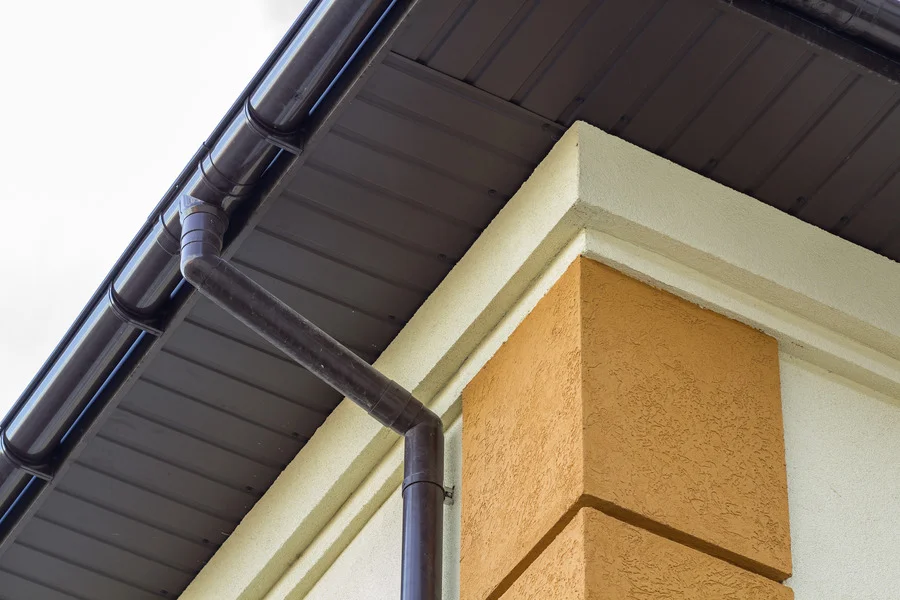
Keeping your gutters clear is essential for preventing water damage. Regularly check for leaves, twigs, and other debris that can block the flow of rainwater. Here are some steps to follow:
If you notice any leaks or damage in your gutters, it’s important to address these issues promptly. Here’s how:
To reduce the frequency of cleaning, consider installing gutter guards. These can help keep debris out while allowing water to flow freely. Benefits include:
Keeping your gutters in good condition is vital for the overall health of your holiday home. Regular maintenance can save you from costly repairs in the future.
By following these steps, you can ensure that your gutters are functioning properly, which is crucial for holiday home cleaning and maintaining a safe outdoor area. Don't forget to check your gutters regularly, especially before the tourist season begins!
Keeping your gutters clean and in good shape is essential for your home. Regular maintenance can prevent water damage and save you money in the long run. If you need help with cleaning or fixing your gutters, visit our website to find trusted local tradesmen ready to assist you!
In conclusion, preparing your holiday home for the tourist season is crucial for ensuring a safe and enjoyable stay for your guests. Regular checks and maintenance can help prevent costly repairs and keep your property in great shape. From inspecting for leaks and securing outdoor furniture to ensuring proper safety measures are in place, every little detail counts. Remember to keep your property well-lit and free from hazards, and always have an emergency kit ready. By taking these steps, you not only protect your investment but also enhance the experience for your visitors, making their holiday memorable.
Start by inspecting the roof for any leaks or damage, as this can lead to bigger problems later on.
Check all taps, showers, and appliances for leaks. It's also wise to winterise pipes if you're in a cold area.
Look at the wiring and outlets for any issues. Upgrading to modern standards can help keep your property safe.
Select weather-resistant paints that can withstand the elements. Proper surface preparation is key to a good finish.
Prune trees and shrubs, maintain the lawn, and consider installing an irrigation system to keep everything looking nice.
Install modern locks, alarms, and consider smart home technology to monitor your property remotely.
