Maintaining the plumbing system in your holiday home is essential to ensure a stress-free experience. Proper upkeep not only helps prevent costly repairs but also provides peace of mind while you're away. In this article, we will explore various aspects of plumbing maintenance, from understanding your system to dealing with common issues and winterising your property.
Key Takeaways
- Regular checks can prevent significant plumbing issues.
- Using eco-friendly products is beneficial for both the environment and your plumbing.
- Winterising your property is crucial to avoid frozen pipes.
- Knowing when to call a professional can save time and money.
- Upgrading fixtures can improve efficiency and reduce water bills.
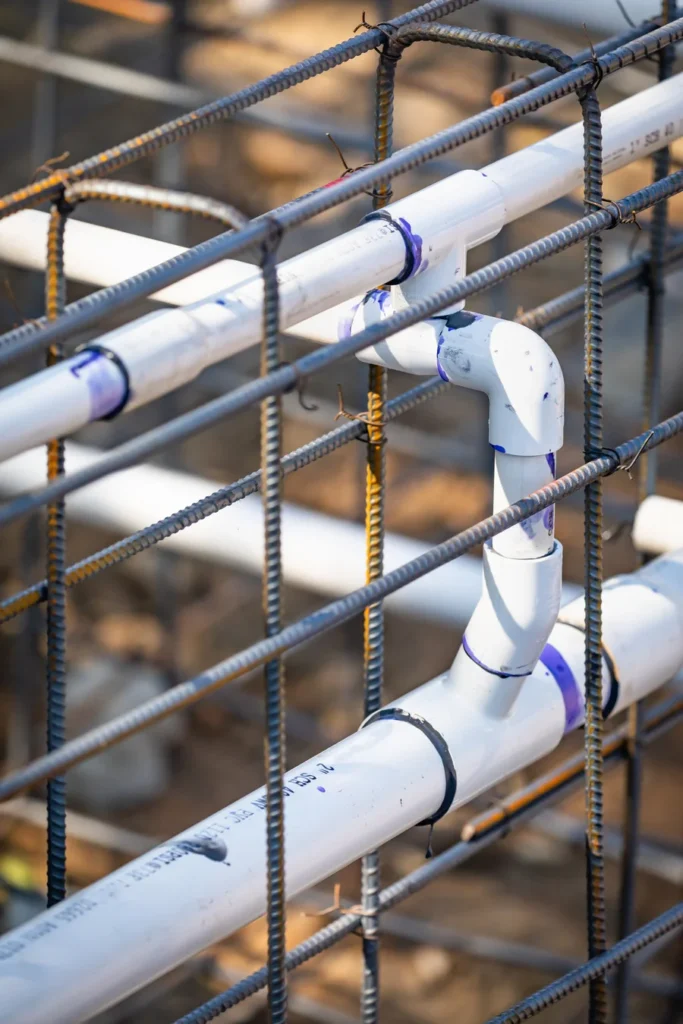
Understanding the plumbing system in your holiday home is essential for effective maintenance. Key components include:
The plumbing system operates by using a network of pipes to deliver fresh water and remove waste. Water enters your home through the main supply line, flowing into various fixtures. Gravity helps in draining wastewater through the pipes to the sewer system.
Different materials are used in plumbing, each with its own benefits:
| Material | Description |
|---|---|
| Copper | Durable and resistant to corrosion. |
| PVC | Lightweight and easy to install. |
| PEX | Flexible and ideal for retrofitting. |
Understanding your holiday home plumbing system can save you time and money in the long run. Regular checks can prevent major issues.
In summary, knowing the key components, how the system works, and the materials used will help you maintain your plumbing effectively. Thermino is a compact and efficient alternative to hot water cylinders, providing reliable on-demand hot water for holiday homes and hot tubs.
Regular inspections are crucial for maintaining your holiday home. Here are some key areas to check:
Each season brings its own maintenance tasks. Consider the following:
Using eco-friendly products not only helps the environment but can also save you money. Here are some benefits:
Regular maintenance is essential to avoid expensive repair bills. By staying proactive, you can ensure your holiday home remains in top condition for guests.
Leaky taps can be a real nuisance, wasting water and increasing your bills. Here are some steps to fix them:
Clogged drains can lead to serious plumbing emergencies. To clear them:
| Method | Effectiveness | Time Required |
|---|---|---|
| Plunger | Moderate | 5 minutes |
| Baking Soda & Vinegar | High | 15 minutes |
| Drain Snake | Very High | 30 minutes |
Low water pressure can be frustrating. Here’s how to tackle it:
Regular maintenance can prevent many plumbing issues. Keeping an eye on your plumbing system helps manage wear and tear, especially in your holiday home.
By following these tips, you can effectively deal with common plumbing problems like burst pipes, cracked basins, and more. Remember, if you encounter serious plumbing repairs, it’s best to call a professional.
As winter approaches, it’s essential to prepare your holiday home for the harsh conditions. Proper winterisation can prevent costly damage and ensure your property remains safe and secure.
Winterising your holiday home is crucial for holiday home management. It not only protects your property but also ensures guest readiness for the next season. Regular checks can help prevent issues like damp and mould, which can arise from unoccupied properties.
By following these steps, you can ensure your holiday home is well-prepared for winter, safeguarding it against the elements and potential damage.
Knowing when to call a plumber can save you time and money. Here are some signs:
When selecting a plumber, consider the following:
Plumbing costs can vary widely. Here’s a simple breakdown:
| Service Type | Average Cost (£) |
|---|---|
| Emergency Call-Out | 100 - 200 |
| Routine Maintenance | 50 - 100 |
| Major Repairs | 200 - 500+ |
Reliable tradesmen can help you avoid costly mistakes. Always ask for a detailed quote before work begins.
Hiring a professional can prevent small issues from becoming major headaches. Always choose wisely!
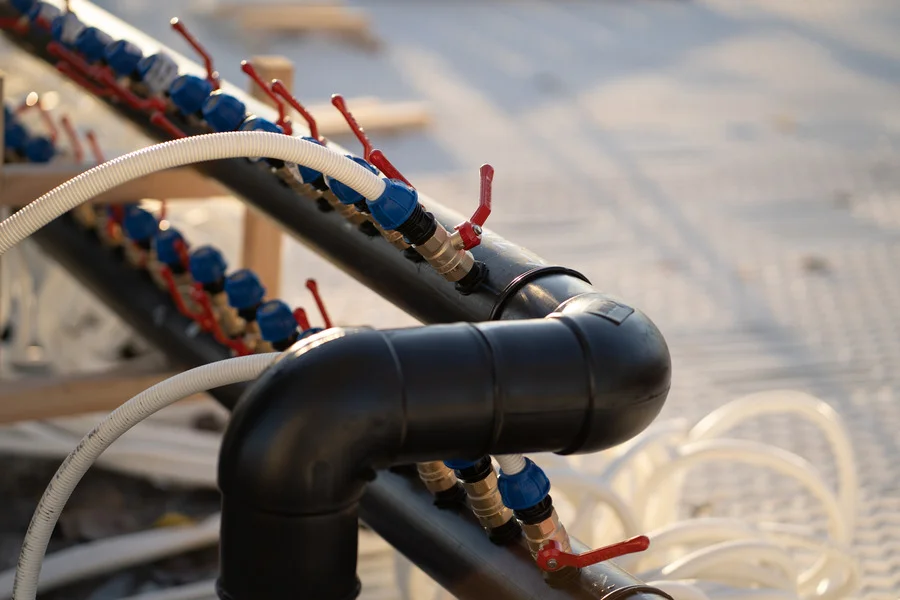
Upgrading your fixtures can greatly enhance the efficiency of your plumbing system. Consider the following:
Investing in energy-efficient appliances can save you money in the long run. Here are some options:
Smart technology can help you manage your plumbing system more effectively. Consider:
Upgrading your plumbing system not only improves efficiency but also enhances the comfort of your holiday home. Regular plumbing inspections can help identify areas that need attention.
Remember, prioritising your plumbing upgrades can prevent costly repairs in the future. Regular gutter cleaning and a professional plumbing check are essential to maintain your system's health. Don't overlook the importance of internal drainage to avoid water damage.
Installing low-flow fixtures is a simple way to reduce water usage without sacrificing performance. These fixtures can help save a significant amount of water:
Collecting rainwater is an eco-friendly way to conserve water. Here’s how you can do it:
Leaks can waste a lot of water, so it’s crucial to find and fix them promptly. Here are some steps:
Remember, conserving water not only helps the environment but also reduces your utility bills. Every drop counts!
Saving water is crucial for our planet and can be easily done at home. Simple actions like fixing leaks, using water-efficient appliances, and collecting rainwater can make a big difference. Every drop counts! For more tips on how to conserve water and help the environment, visit our website today!
In conclusion, taking care of your plumbing before heading off to your holiday home is essential. By following simple steps like checking for leaks, adjusting your heating, and ensuring everything is secure, you can avoid unpleasant surprises when you return. Regular maintenance not only protects your property but also gives you peace of mind while you enjoy your time away. Remember, a little effort now can save you from big problems later!
Before you go, check your pipes and make sure your heating is set to a low temperature to prevent freezing. Turning off the water at the main tap can also help avoid leaks.
Look for water stains on walls or ceilings, or check for damp spots around the house. If you hear water running when no taps are on, that could be a sign too.
You can check for leaks, clean your drains, and ensure that your radiators are working properly. It’s also good to keep an eye on your water bill for any sudden increases.
If you notice persistent leaks, low water pressure, or if you’re unsure how to fix a problem, it’s best to call a plumber to avoid further damage.
Installing low-flow taps and showerheads, fixing leaks quickly, and using rainwater for gardening are all great ways to save water.
If you suspect frozen pipes, turn on the taps and apply heat gently to the pipes using a hairdryer or warm towels. Never use an open flame.
In Cornwall, understanding plumbing regulations is essential for anyone involved in plumbing work, whether as a homeowner or a professional. These regulations ensure that plumbing systems are safe, efficient, and environmentally friendly. This article will break down the key aspects of plumbing regulations in Cornwall for 2024, providing insights into licencing, water supply standards, drainage systems, and more.
Key Takeaways
- Cornwall has specific plumbing regulations to ensure safety and efficiency.
- Homeowners must be familiar with local plumbing codes to avoid legal issues.
- Plumbers need to obtain licences and certifications to work legally.
- Regular inspections help maintain water quality and drainage systems.
- Understanding your rights as a consumer is crucial when hiring plumbing professionals.
Plumbing regulations in Cornwall have evolved over the years to ensure safety and efficiency in water supply and waste management. Understanding these regulations is crucial for both homeowners and professionals. Historically, local codes were established to address the unique challenges posed by Cornwall's geography and older infrastructure.
Today, plumbing regulations in Cornwall align with broader plumbing regulations in the UK, focusing on:
These standards help maintain a reliable plumbing system that meets the needs of the community.
The Cornwall Council is the primary authority overseeing plumbing regulations. They are responsible for:
By staying informed about these regulations, you can ensure that your plumbing work is compliant and safe.
Join our platform today and get connected with Cornish locals looking for tradesmen!
In Cornwall, the following groups should be aware of certification and compliance requirements for plumbing work:
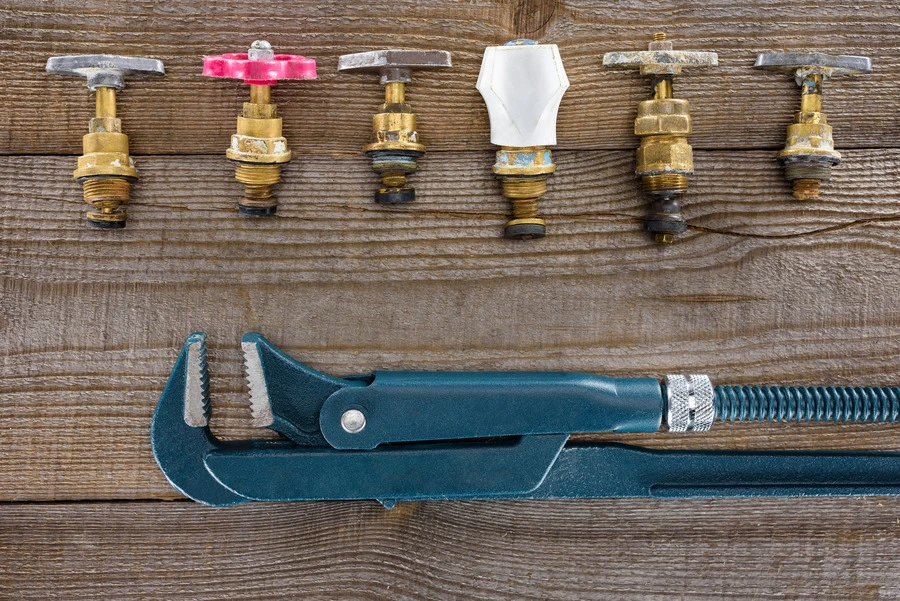
In Cornwall, Water Supply Regulations ensure that the water provided to residents is safe and clean. The Water Fittings Regulations set out the standards for how water systems should be designed and maintained. Key points include:
The supply systems in Cornwall are designed to deliver water efficiently. This includes:
Regular inspections are vital to maintain compliance with the regulations. These procedures include:
Understanding and adhering to the Water Regulations Schedule is essential for both homeowners and professionals to ensure a safe water supply in Cornwall.
By following these regulations, residents can enjoy a safe and reliable water supply, contributing to the overall health and well-being of the community.
In Cornwall, there are several types of drainage systems used to manage wastewater effectively:
Proper waste disposal is crucial for maintaining hygiene and environmental standards. Here are some key guidelines:
To keep drainage systems functioning properly, regular maintenance is essential. Key maintenance tasks include:
Proper drainage management is vital for preventing flooding and maintaining public health.
In summary, understanding the types of drainage systems, adhering to waste disposal guidelines, and committing to regular maintenance are essential for effective drainage and waste management in Cornwall. This ensures a clean and safe environment for all residents. The average sewer pipe installation cost can vary, so it's important to plan accordingly when making changes to your drainage system.
When it comes to plumbing, using the right materials is essential. Here are some approved materials commonly used:
Using approved materials ensures safety and compliance with Plumbing Installation Standards.
Proper installation is crucial for the longevity and efficiency of plumbing systems. Follow these steps:
Regular maintenance helps prevent issues and extends the life of plumbing systems. Key maintenance tasks include:
Regular maintenance is vital for ensuring that your plumbing systems function effectively and safely.
By adhering to these standards, homeowners and professionals can ensure that plumbing installations are safe, efficient, and compliant with local regulations. Understanding the importance of these practises is essential for anyone involved in plumbing work in Cornwall.
In plumbing, various hazards can arise, including:
To maintain safety in plumbing work, follow these protocols:
In case of an emergency, it’s important to have clear procedures:
Maintaining safety standards not only protects workers but also ensures the safety of the public. Regular training and adherence to regulations are essential for a safe working environment.
In Cornwall, plumbing practises are increasingly focusing on sustainability. Here are some eco-friendly practises:
To protect the environment, Cornwall has specific regulations regarding water usage:
Using sustainable materials in plumbing is essential for reducing environmental impact. Some approved materials include:
Implementing sustainable plumbing practises not only benefits the environment but also enhances the quality of life for residents in Cornwall.
By adopting these practises, plumbers and homeowners can contribute to a more sustainable future while ensuring compliance with local regulations. Cornish tradesmen are encouraged to stay informed about these evolving standards to promote eco-friendly plumbing solutions.

Compliance with plumbing regulations in Cornwall is essential for ensuring safety and reliability. Regular inspections and audits are conducted to ensure that all plumbing work meets the required standards. Key points include:
Common violations that can lead to penalties include:
Penalties for failing to comply with plumbing regulations can be severe. They may include:
Understanding and adhering to plumbing regulations is crucial for homeowners and tradesmen alike. It not only ensures safety but also protects against legal and financial repercussions. Cornish tradesmen can help connect you with trusted local professionals to ensure compliance and quality work.
The local authorities in Cornwall play a vital role in ensuring that plumbing regulations are followed. They are responsible for:
Local authorities often hold public consultations to gather feedback on plumbing regulations. This helps them understand community needs and make informed decisions. Key points include:
Cornwall's local authorities provide various forms of support for plumbers, including:
Local authorities are essential in maintaining safety and compliance in plumbing, ensuring that both homeowners and professionals are well-informed about regulations.
By understanding the role of local authorities, plumbers and homeowners can better navigate the plumbing landscape in Cornwall, ensuring that all work is safe and compliant with local standards.
As a homeowner in Cornwall, you have specific rights when it comes to plumbing services. These include:
Homeowner Responsibilities are equally important. You must ensure that:
When hiring a plumber, consider the following steps:
Choosing a qualified plumber is essential for ensuring safety and compliance with local regulations. Cornish tradesmen can help connect you with trusted local professionals.
If you encounter issues with plumbing services, you have the right to file a complaint. Here’s how:
By understanding your rights and responsibilities, you can ensure a safer and more compliant plumbing experience in Cornwall.
The plumbing industry is rapidly evolving with new technologies. Smart plumbing systems are becoming more common, allowing for better monitoring and control of water usage. These systems can help detect leaks early and improve efficiency.
As environmental concerns grow, regulations are likely to tighten. Expect more rules around Backflow Prevention and the use of Thermostatic Mixing Valves (TMVs) to ensure safe water temperatures and prevent contamination.
The shift towards sustainability will affect how plumbing work is done. Plumbers will need to adapt to new Plumbing Regulations that focus on eco-friendly practises. This includes using approved materials and methods that minimise environmental impact.
Staying updated with the latest Plumbing Work Requirements is essential for all professionals in the field.
In summary, the future of plumbing regulations in Cornwall will be shaped by technology, environmental needs, and the ongoing commitment to safety and quality. Plumbers must stay informed to remain compliant and competitive in this changing landscape.
As we look ahead, plumbing regulations are set to evolve significantly, focusing on sustainability and safety. It's essential for both homeowners and professionals to stay informed about these changes. For more insights and updates on plumbing trends, visit our website and connect with local experts who can help you navigate these new rules!
In conclusion, plumbing is an essential part of keeping homes in Cornwall safe and comfortable. By learning about the local plumbing rules, addressing common plumbing problems, and knowing when to call a professional, you can ensure your plumbing system works well. Staying updated on these regulations not only protects your home but also helps you enjoy the benefits of a reliable plumbing system. Taking these steps will help you maintain your home and make sure your plumbing is always in good condition.
Plumbing regulations in Cornwall set rules for how plumbing systems should be installed and maintained. They ensure safety and quality in water supply and waste disposal.
Plumbing codes are important because they help ensure that plumbing work is safe and meets the necessary standards. Following these codes protects homeowners and the environment.
Cornwall Council is responsible for enforcing plumbing regulations. They oversee licencing for plumbers and ensure that plumbing work meets safety standards.
If you have a plumbing issue, it’s best to contact a licenced plumber. They can assess the problem and provide the right solutions.
You can find a licenced plumber in Cornwall by checking local directories, asking for recommendations, or looking for reviews online.
Common plumbing problems in Cornwall include leaks, drainage issues, and hard water problems. Regular maintenance can help prevent these issues.
Yes, if you are doing plumbing work for others, you need to have a licence. This ensures that the work is done safely and according to regulations.
Penalties for not following plumbing regulations can include fines and the requirement to redo the work to meet standards. It’s important to comply with all regulations.
