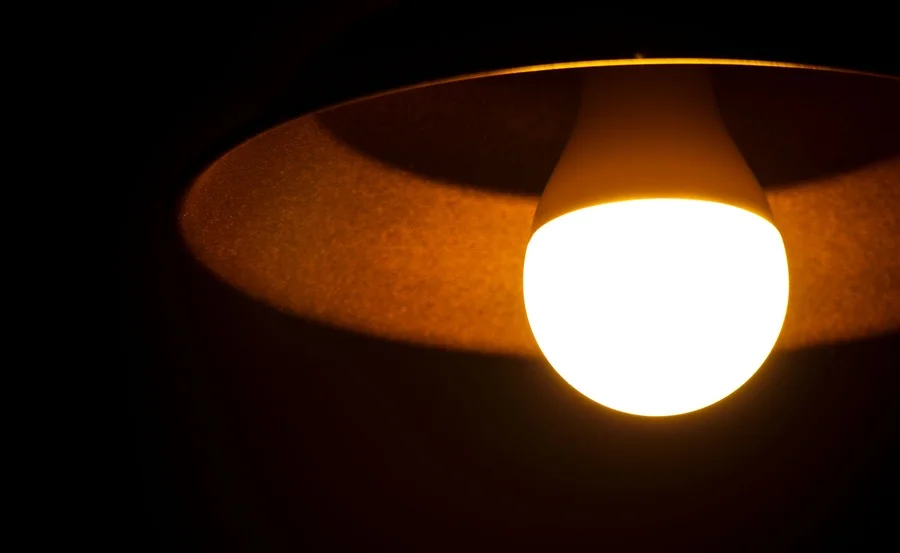

Choosing the right colour temperature for your LED lightbulbs can greatly influence the atmosphere of your home or workspace. With so many options available, understanding colour temperature is essential for creating the ideal environment for various activities. This guide will help you navigate the different colour temperatures and how they can affect mood and productivity.
Colour temperature refers to the appearance of light emitted by a bulb, measured in Kelvin (K). It helps us understand whether the light is warm or cool. For example, a candle emits a warm light at about 2000K, while daylight is around 6000K. This scale helps in choosing the right lightbulb for each room in your home.
Colour temperature is measured using the Kelvin scale. Here’s a simple breakdown:
| Colour Temperature (K) | Description |
|---|---|
| 1000K | Very Red |
| 2700K | Warm White |
| 4000K | Cool White |
| 6000K | Daylight |
| 10000K | Blue Sky |
The Kelvin scale ranges from warm to cool light. Warm light (lower Kelvin) is often used in living spaces for a cosy feel, while cool light (higher Kelvin) is ideal for workspaces. Here are some common types:
Understanding colour temperature is essential for creating the right atmosphere in your home. It can significantly influence your mood and productivity, making it a key factor in lighting design.

Choosing between warm and cool light can greatly affect how we feel and work. Warm light is often more relaxing, making it perfect for spaces where you unwind, like living rooms and bedrooms. In contrast, cool light is energising and helps with focus, making it ideal for workspaces and kitchens.
Here’s a quick guide to the best colour temperatures for various activities:
| Activity | Ideal Colour Temperature |
|---|---|
| Relaxation | 2700K - 3000K |
| Cooking | 4000K |
| Office Work | 5000K |
Light plays a crucial role in regulating our sleep-wake cycle. Exposure to cool light during the day can help keep us alert, while warm light benefits our relaxation in the evening.
The right lighting can significantly influence your mood and productivity.
In summary, understanding the impact of colour temperature can help you create the perfect atmosphere for any room. By choosing the right light, you can enhance your mood and productivity effectively.
Remember: Lighting for relaxation is just as important as lighting for tasks!

Selecting the right colour temperature for each room can greatly influence the atmosphere and functionality of your home. A room-by-room lighting guide can help you make the best choices.
For living rooms, a warm light (around 2700K) is ideal. This creates a cosy and inviting atmosphere, perfect for relaxation and socialising.
In bedrooms, it’s best to stick with warm white bulbs (2700K). This helps maintain a calm environment, promoting better sleep. Avoid cool light, as it can disrupt your circadian rhythm.
Kitchens benefit from a mix of warm (3000K) and cool white (4000K) lighting. Warm light is great for dining areas, while cooler light can help you stay alert while cooking.
For bathrooms, cool white (4000K) is recommended. It provides a bright, refreshing feel, making it easier to see while getting ready in the morning.
| Room | Ideal Colour Temperature |
|---|---|
| Living Room | 2700K - Warm White |
| Bedroom | 2700K - Warm White |
| Kitchen | 3000K - Warm White |
| 4000K - Cool White | |
| Bathroom | 4000K - Cool White |
Choosing the right colour temperature can enhance the mood and functionality of your space.
In summary, remember to choose warmer lights for relaxation areas and cooler lights for task-oriented spaces. This balance will help create a comfortable and effective environment throughout your home.
When choosing LED lightbulbs, it's important to consider how colour temperature affects energy consumption. Generally, energy-saving LED lights are more efficient than traditional bulbs. Here’s a quick comparison:
| Colour Temperature | Watts Used | Brightness in Lumens |
|---|---|---|
| Very Warm White (2700K) | 8W | 800 |
| Warm White (3000K) | 9W | 900 |
| Cool White (4000K) | 10W | 1000 |
| Daylight (6000K) | 12W | 1200 |
When selecting the right colour temperature, consider the following:
Choosing the right colour temperature can also have a positive impact on the environment. By using energy-saving LED lights, you reduce your carbon footprint. LED bulbs produce very little heat, making them safer and more efficient compared to incandescent bulbs, which convert most energy into heat. This efficiency not only saves energy but also reduces the need for frequent replacements, leading to less waste.
Selecting the appropriate colour temperature for your lighting can enhance your living space while being mindful of energy consumption and environmental sustainability.
When shopping for LED lightbulbs, always check the packaging. Look for the colour temperature indicated in Kelvin (K). Common options include:
Think about how the light will fit into your home’s style. For example:
If possible, test the lightbulbs in-store. This can help you see how the light interacts with your space. Consider:
Choosing the right LED lightbulb can significantly impact your mood and productivity. Make informed decisions to create the perfect atmosphere in your home.
| Colour Temperature | Description | Best For |
|---|---|---|
| 2700K - 3000K | Soft white light | Living rooms, bedrooms |
| 4000K - 5000K | Cool white LED | Kitchens, bathrooms |
| 5000K - 6500K | Daylight LED | Task lighting, workspaces |

Many people think that a brighter light means a better light. However, brightness is not the same as colour temperature. A bulb can be very bright but still have a warm colour temperature, which may not be suitable for all tasks. It’s important to choose the right colour temperature for the activity you are doing.
Another common belief is that colour temperature has no impact on sleep. In reality, cooler light can interfere with your body’s natural sleep cycle. Warm light is more relaxing and can help you wind down before bed, while cooler light can keep you alert and awake.
Not all LED bulbs are created equal. They come in various colour temperatures, which can affect the mood and functionality of a space. For example, LEDs can mimic the warm glow of traditional halogen bulbs, making them a great choice for living areas. Here’s a quick comparison:
| Colour Temperature | Description | Best For |
|---|---|---|
| 2000K - 3000K | Warm White | Bedrooms, Living Rooms |
| 4000K - 4500K | Cool White | Kitchens, Workspaces |
| 6000K - 6500K | Daylight | Task Lighting, Offices |
Choosing the right colour temperature can significantly enhance the atmosphere of your home. It’s worth taking the time to understand your options!
Many people have misunderstandings about colour temperature. Some think it only affects how bright a light is, while others believe it has no impact on mood. In reality, colour temperature can change the feel of a room and influence how we perceive our surroundings. If you want to learn more about this topic and discover how it can help you, visit our website today!
Choosing the right colour temperature for your LED lightbulbs is essential for creating the perfect atmosphere in your home or workspace. With various options available, from warm to cool light, it’s important to consider how each type affects your mood and the functionality of the space. Warmer lights (2000K-3000K) are great for relaxation areas like bedrooms and living rooms, while cooler lights (4000K and above) are better for workspaces where focus is needed. By understanding the different colour temperatures and their impacts, you can make informed choices that enhance your environment. If you’re unsure, don’t hesitate to reach out for advice on the best options for your needs.
Colour temperature measures how warm or cool a light appears. It's usually given in degrees Kelvin (K). Lower numbers mean warmer light, like candlelight, while higher numbers mean cooler light, similar to daylight.
You can look at the Kelvin rating on the lightbulb packaging. For cosy areas like living rooms, choose bulbs around 2700K to 3000K. For workspaces, bulbs between 4000K and 5000K are better.
Common types include warm white (2000K-3000K), neutral white (4000K-4500K), and daylight (6000K-6500K). Each type creates a different atmosphere.
No, LED bulbs come in various colour temperatures. It's important to check the packaging to know what you're buying.
Yes, warmer lights can make a space feel more inviting and relaxing, while cooler lights can help with focus and concentration.
Absolutely! You can use warm white for general lighting and cool white for task areas, like a kitchen or office.
Disclaimer: The information provided in this blog is for general informational purposes only and should not be considered a substitute for professional advice. All work, including but not limited to electrical, plumbing, and construction, carries risks and should only be undertaken by qualified professionals. For specific guidance on any work, consult a certified professional in the relevant field. Always ensure compliance with local regulations and safety standards.
