

Choosing the right light bulb for each room in your home can make a big difference in how comfortable and inviting your space feels. Different areas have unique lighting needs, so understanding the types of bulbs available and their characteristics is key. This guide will help you select the best light bulbs for every room, ensuring you create the perfect atmosphere while saving energy and money.
Key Takeaways
- Different rooms require different types of lighting to create the right atmosphere.
- LED bulbs are energy-efficient and can last many years, making them a smart choice.
- Understanding lumens helps you choose the brightness needed for each room.
- Kelvin measurements indicate the colour temperature of light, affecting the room's mood.
- Consider the activities in each room to select the most suitable bulbs.
When selecting lightbulbs, two crucial measurements to consider are lumens and kelvins.
Lumens measure the amount of light emitted by a bulb, essentially indicating its brightness. A higher lumen rating means a brighter light, making it essential to choose the appropriate lumen count based on the size of the room and its intended activities.
Kelvins (K), on the other hand, measure the color temperature of a light source. Lower kelvin values (typically below 3,000 K) emit a warmer, yellowish light, while higher kelvin values (above 3,000 K) produce a cooler, bluish light. Choosing the right color temperature is important as it affects the mood and functionality of a space.
Here’s a guideline for selecting the appropriate lumens for different rooms:
| Room | Recommended Lumens |
|---|---|
| Living Room | 1,500 – 3,000 lumens |
| Kitchen | 3,000 – 4,000 lumens |
| Dining Room | 3,000 – 6,000 lumens |
| Bedroom | 800 – 2,000 lumens |
| Bathroom | 2,000 – 4,000 lumens |
To create the desired atmosphere, consider these recommended kelvin levels for various rooms:
| Room | Recommended Kelvins |
|---|---|
| Living Room | 2,700 – 3,000 K (warm white) |
| Kitchen | 3,000 – 4,000 K (neutral white) |
| Dining Room | 2,700 – 3,000 K (warm white) |
| Bedroom | 2,700 – 3,000 K (warm white) |
| Bathroom | 3,000 – 4,000 K (neutral white) |
In summary, understanding lumens and kelvins is vital when choosing the right lightbulbs for your home. By selecting appropriate brightness levels and color temperatures for each room, you can enhance both the functionality and ambiance of your living spaces.
When it comes to lighting your home, understanding the different types of lightbulbs is essential. Here’s a quick overview of the most common types:
Incandescent bulbs have been a popular choice for many years. They produce a warm light that is pleasing to the eye. However, they are not very energy-efficient, converting less than 10% of the energy they use into visible light. They can also get quite hot, so be careful when handling them.
LED bulbs are becoming the go-to option for many households. They are energy-efficient, lasting much longer than incandescent bulbs. Although they may have a higher initial cost, they save money in the long run due to their low energy consumption. LEDs also come in various colours and styles, making them versatile for any room.
CFL bulbs, or compact fluorescent lamps, are another energy-saving option. They use about one-third of the energy of incandescent bulbs and can last up to ten times longer. However, they can sometimes produce a harsh light, although newer versions offer warmer tones. It’s important to note that CFLs contain small amounts of mercury, so proper disposal is crucial.
Halogen bulbs are a type of incandescent bulb that provides bright, white light. They reach full brightness instantly and are often used in spotlights and floodlights. While they are more efficient than traditional incandescent bulbs, they still generate a lot of heat.
| Type of Bulb | Lifespan (Hours) | Energy Efficiency | Heat Output |
|---|---|---|---|
| Incandescent | 1,000 | Low | High |
| LED | 15,000 - 50,000 | High | Low |
| CFL | 7,000 - 15,000 | Medium | Medium |
| Halogen | 2,000 - 4,000 | Medium | High |
In summary, each type of bulb has its own advantages and disadvantages. When choosing a lightbulb, consider factors like energy efficiency, lifespan, and the type of light you want to create in your space.
Remember, the right light can transform a room, making it feel warm and inviting or bright and energising.
Choosing the right bulb fitting is also crucial; different bulbs have different caps and bases. Make sure to check what type you need before making a purchase!
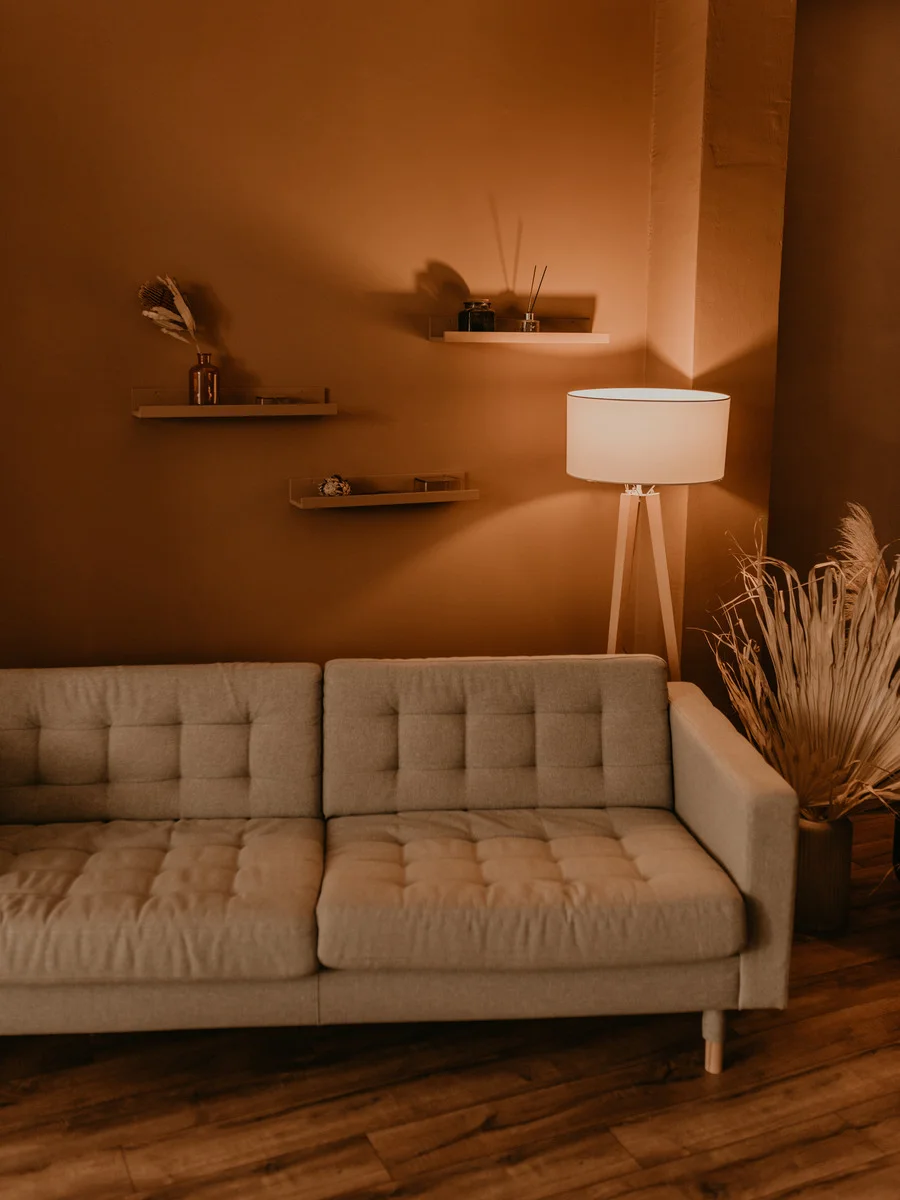
To create a cosy atmosphere in your living room, consider using LED bulbs with a warm colour temperature. Aim for a brightness of around 1,500 to 3,000 lumens. This range provides enough light for activities while maintaining a comfortable environment.
It's essential to balance natural and artificial light. Here are some tips:
For relaxation, opt for bulbs with a colour temperature of 2,700K to 3,000K. This range emits a warm white light that is inviting and soothing. Energy-efficient lighting options like LED bulbs are ideal, as they save energy while providing the right ambiance.
Remember, the right lighting can transform your living space into a welcoming retreat. A guide to choosing a ceiling light for your living room can help you find the perfect fixtures to enhance your home lighting.
In the kitchen, task lighting is essential for cooking and food preparation. Here are some key points to consider:
Creating a welcoming atmosphere in dining areas is important. Here’s how to achieve that:
When selecting bulbs for kitchen islands, consider the following:
The right lighting can transform your kitchen into a functional and inviting space. Choosing the right light temperature and brightness is key to achieving the perfect balance for cooking and dining.
When choosing lightbulbs for your bedroom, it's essential to create a calming environment. Soft, warm lighting helps promote restful sleep. Avoid bright, cool-toned bulbs, as they can interfere with your ability to fall asleep.
Consider using adjustable lighting options to suit different activities. Here are some ideas:
The ideal colour temperature for bedroom lighting is between 2000K to 3000K. This range provides a warm white light that is soothing and perfect for winding down. Here’s a quick reference:
| Bulb Type | Colour Temperature (K) | Brightness (Lumens) |
|---|---|---|
| LED | 2700 - 3000 | 800 - 1600 |
| Halogen bulbs | 2700 - 3000 | 800 - 1600 |
| CFL | 2700 - 3000 | 800 - 1200 |
Choosing the right lightbulb can significantly enhance your bedroom experience. Opt for warm light to create a peaceful atmosphere that encourages relaxation and sleep.
In the bathroom, bright lighting is essential for grooming tasks. You should aim for a brightness level of 2,000 to 4,000 lumens. This ensures you can see clearly while applying makeup or shaving. Consider using:
When selecting bulbs, it’s crucial to choose moisture-resistant options. This helps prevent damage from humidity. Here are some suitable types:
To save on energy bills, opt for energy-efficient lighting. Here’s a quick comparison of options:
| Bulb Type | Lifespan (Hours) | Energy Use (Watts) | Brightness (Lumens) |
|---|---|---|---|
| LED | 15,000 - 25,000 | 10-15 | 800-1,600 |
| Halogen | 2,000 | 40-50 | 1,000-1,500 |
| CFL | 10,000 | 13-15 | 800-1,200 |
Tip: Always check the CRI (Colour Rendering Index) of the bulbs. A high CRI ensures colours appear true, which is especially important in grooming areas.
By considering these factors, you can create a well-lit, functional bathroom that meets your needs while being energy-efficient. Choosing the right lighting fixtures will enhance your daily routines and add a touch of style to your space.
To keep your eyes comfortable while working, it’s important to have the right lighting. Here are some tips:
A good mix of lighting types can help create a productive environment:
When working from home, video calls are common. Here’s how to choose the right bulbs:
Good lighting is essential for a productive home office. It not only helps you see better but also keeps you focused and comfortable.
For the best results, consider using LED bulbs as they are more energy-efficient and last longer than traditional options. They can last up to 25,000 hours, making them a smart choice for your home office lighting.
When selecting bulbs for outdoor use, weather-resistant bulbs are essential. These bulbs are designed to withstand various weather conditions, ensuring longevity and safety. Here are some options:
Proper security lighting is crucial for safety. Consider the following:
To enhance your outdoor experience, focus on lighting design. Here are some tips:
Outdoor lighting not only improves safety but also enhances the beauty of your home. Thoughtful lighting placement can transform your garden into a magical space at night.
| Type of Bulb | Lifespan (Hours) | Energy Efficiency | Best Use |
|---|---|---|---|
| LED | 15,000 - 25,000 | High | General outdoor lighting |
| Halogen | 2,000 | Moderate | Security lighting |
| CFL | 10,000 | Moderate | Decorative lighting |
When planning your outdoor lighting, think about how it can improve your space and safety. Proper lighting not only brightens up your garden but also makes it more inviting. For expert advice and to find local tradesmen who can help, visit our website today!
In summary, picking the right light bulb for each room in your home can make a big difference. Each space has its own lighting needs, whether it’s the bright lights needed in the kitchen or the soft glow preferred in the bedroom. By understanding the types of bulbs available, along with their brightness and colour temperature, you can create a comfortable and inviting atmosphere. Remember, using energy-efficient bulbs like LEDs not only helps the environment but also saves you money in the long run. So, take the time to choose wisely and enjoy the benefits of well-lit spaces!
There are several types of light bulbs, including incandescent, LED, CFL, and halogen. Each type has its own features and benefits.
Brightness is measured in lumens. For example, living rooms generally need about 1,500 to 3,000 lumens, while kitchens may require 3,000 to 4,000 lumens.
Colour temperature is measured in Kelvins (K). For warm, inviting spaces like living rooms and bedrooms, aim for 2,700 to 3,000 K.
Yes, LED bulbs are more expensive upfront but last much longer and use significantly less energy, saving you money in the long run.
It's best to avoid CFL bulbs in bathrooms because they can burn out quickly due to frequent on-off switching. Consider using LED or halogen bulbs instead.
For outdoor spaces, choose weather-resistant bulbs and consider security lighting to keep your home safe.
Disclaimer: The information provided in this blog is for general informational purposes only and should not be considered a substitute for professional advice. All work, including but not limited to electrical, plumbing, and construction, carries risks and should only be undertaken by qualified professionals. For specific guidance on any work, consult a certified professional in the relevant field. Always ensure compliance with local regulations and safety standards.
