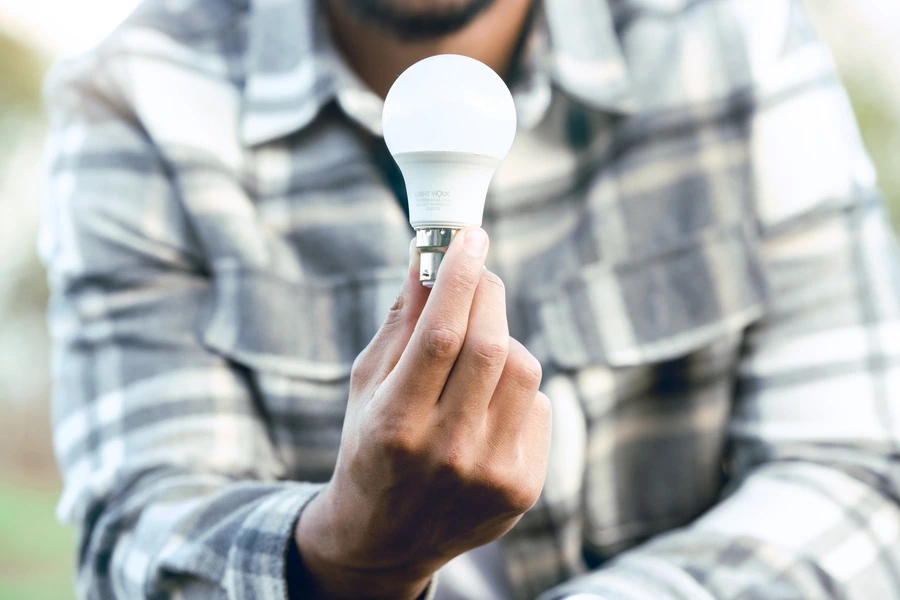

In today's world, choosing the right light bulb is more important than ever. With various options available, understanding the differences between halogen and LED bulbs can help you make an informed decision. This article will explore key aspects of both types of bulbs, from energy efficiency to safety considerations, ensuring you know which one suits your needs best.
Key Takeaways
- LED bulbs are far more energy-efficient, using up to 85% less power than halogen bulbs.
- While halogen bulbs are cheaper initially, their shorter lifespan makes LED bulbs more economical in the long run.
- LEDs produce less heat, making them safer to handle and reducing the risk of burns or fires.
- Halogen bulbs emit UV radiation, while LEDs do not, making LEDs a healthier choice for indoor lighting.
- LEDs offer a wider range of colour temperatures, allowing for more versatile lighting options.

When it comes to energy efficiency comparison, LED lightbulbs are a clear winner. They use up to 85% less electricity than traditional halogen bulbs, which translates to significant cost savings with LED lighting on your electricity bills.
| Bulb Type | Power Consumption (Watts) | Lifespan (Hours) | Annual Cost (Approx.) |
|---|---|---|---|
| Halogen | 60 | 1,500 | £10 |
| LED | 10 | 25,000 | £2 |
LED bulbs can last up to 25,000 hours, while halogen bulbs typically last around 1,500 hours. This means that by choosing LEDs, you will not only save on energy costs but also on replacement costs.
By opting for LED lighting, you are making a choice that is both eco-friendly and economically wise, helping to reduce your carbon footprint.
The LED environmental impact is significant. By switching to LED bulbs, households can reduce their carbon dioxide emissions by up to 55kg per year. This is equivalent to the emissions from driving a car for about 190 miles. Furthermore, with the halogen phase-out in many regions, LEDs are becoming the standard for energy-efficient lighting solutions.
In summary, choosing LED bulbs not only benefits your wallet but also contributes to a more sustainable future. They are the ideal choice for anyone looking for eco-friendly lighting options that provide both quality and efficiency.
When comparing LED lightbulbs vs. halogen bulbs, one key difference is the colour temperature. Halogen bulbs typically emit a warm light, around 3000K, while LEDs can range from warm to cool, offering flexibility in lighting choices. This means you can select the perfect light for any room or activity.
In terms of brightness, LEDs are generally more efficient. They produce more lumens per watt compared to halogen bulbs. Here’s a quick comparison:
| Type of Bulb | Lumens per Watt | Average Lifespan |
|---|---|---|
| Halogen | 16-24 | 1,500 hours |
| LED | 80-100 | 25,000 hours |
This shows that halogen vs. LED brightness is not just about initial output but also about longevity and efficiency.
LED dimming capabilities are another advantage. Unlike halogen bulbs, which can sometimes flicker when dimmed, LEDs provide smooth and consistent dimming. This allows for better control over the atmosphere in your space, whether you want bright light for tasks or a softer glow for relaxation.
Choosing the right lighting can significantly impact your home’s atmosphere and energy costs. Lighting cost reduction is achievable with the right bulb choices.
In summary, LEDs offer a broader range of colour temperatures, higher brightness levels, and better dimming options compared to halogen bulbs. This makes them a more versatile choice for various applications, from residential to commercial settings. Long-lasting lightbulbs like LEDs not only save money but also enhance the quality of light in your environment.
When considering lightbulbs, the initial cost can be a deciding factor. Halogen bulbs are generally cheaper to buy, often priced around £1.90 each, while LED bulbs can cost about £4.28. However, this upfront cost is just one part of the equation.
Switching to LED bulbs can lead to significant savings over time. For example, the cost of running an LED bulb ranges from 7-20 watts per hour, while an equivalent halogen bulb uses 35 to 500 watts per hour to emit the same amount of light. This means:
LED bulbs require less maintenance due to their longer lifespan. This means fewer trips to the store and less hassle replacing bulbs. In a typical home with 20 GU10 bulbs, switching to LEDs can save you about £393 annually, covering the initial cost in just five months.
By investing in LED technology, you not only save money but also contribute to a more sustainable future.
In summary, while halogen bulbs may seem cheaper at first, the long-term savings and benefits of LED bulbs make them a more valuable choice for both your wallet and the environment.
Halogen bulbs produce a lot of heat, which can be a fire hazard. This heat can ignite nearby materials if the bulbs are not installed correctly. In contrast, LED bulbs emit very little heat, making them a safer option for homes and businesses.
Halogen bulbs emit some ultraviolet (UV) radiation, which can be harmful with prolonged exposure. LED bulbs, however, emit negligible UV radiation, making them a safer choice for indoor environments.
Halogen bulbs do not contain mercury, which is a toxic substance. On the other hand, some types of LED bulbs may contain small amounts of mercury. However, the levels are generally low and pose minimal risk if the bulbs are handled properly.
| Feature | Halogen Bulbs | LED Bulbs |
|---|---|---|
| Heat Emission | High | Low |
| UV Radiation | Moderate | Low |
| Mercury Content | None | Minimal |
Choosing the right light bulb is essential for safety. LED bulbs are generally considered the safest and healthiest light bulbs for your home. With the Halogen ban UK 2021, many are switching to LEDs for better safety and efficiency.
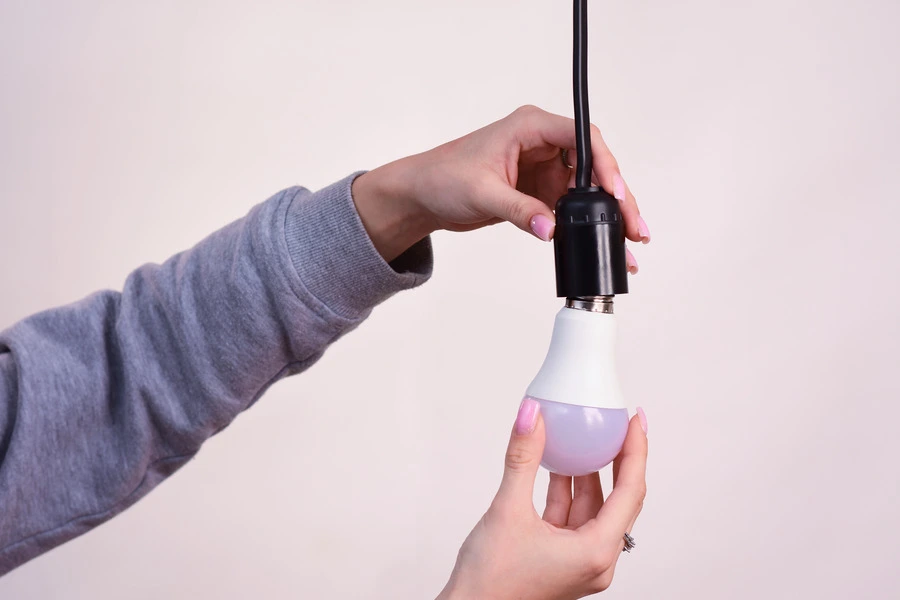
In homes, LED bulbs are becoming the preferred choice due to their energy efficiency and long lifespan. They can be used in various fixtures, including:
Businesses are increasingly switching to LED lighting for:
LED lights are ideal for outdoor settings because they are:
In summary, the versatility of LED bulbs makes them suitable for a wide range of applications, from homes to large commercial spaces. Today's LED bulbs are relatively future proof and available in all shapes, sizes, colour temperatures and light outputs suitable for replacing halogens in various settings.
Halogen bulbs operate similarly to traditional incandescent bulbs. They use a filament encased in halogen gas. When electricity flows through the filament, it heats up and produces light. This process is known as the halogen cycle, which allows the bulb to be more efficient than standard incandescent bulbs.
In contrast, LED bulbs function through a semiconductor. When an electrical current passes through the diode, it emits light. This means that LEDs convert more energy into light rather than heat, making them much more energy-efficient.
LED technology has seen significant improvements over the years. Here are some key advancements:
LED bulbs are not only more efficient but also safer to handle, as they do not get as hot as halogen bulbs.
| Feature | Halogen Bulbs | LED Bulbs |
|---|---|---|
| Power Consumption | High (80-90% heat) | Low (10-20% heat) |
| Lifespan | Short (1,500 hours) | Long (25,000 hours) |
| Durability | Fragile (glass) | Durable (plastic) |
In today's world, technology plays a huge role in how we connect with skilled tradesmen. If you're looking for reliable help in Cornwall, visit our website to find the right tradesman for your needs. Don't miss out on the chance to get quality service!
In summary, when comparing halogen and LED lightbulbs, it’s clear that LEDs have the upper hand. They last much longer, use less energy, and are generally safer to handle. Although halogen bulbs may be cheaper to buy initially, their shorter lifespan and higher energy costs can add up over time. Furthermore, LEDs come in a variety of colours and brightness levels, making them a versatile choice for any setting. As we move towards a more eco-friendly future, opting for LED bulbs is a smart decision for both your wallet and the environment.
LED bulbs use a semiconductor to create light, while halogen bulbs use a filament that gets hot. This means LEDs are more energy-efficient and last much longer than halogens.
LED bulbs are generally brighter than halogen bulbs. For example, a 15-watt LED can shine as brightly as an 85-watt halogen.
Yes, LED bulbs are better for the environment as they use less energy and last longer, which means fewer bulbs end up in landfills.
Both types produce heat, but halogen bulbs create much more. About 80% of the energy used by halogen bulbs turns into heat.
Yes, you can replace halogen bulbs with LED ones, but make sure to check the voltage to ensure they are compatible.
LED bulbs can last up to 25,000 hours, while halogen bulbs usually last around 3,600 hours.
Disclaimer: The information provided in this blog is for general informational purposes only and should not be considered a substitute for professional advice. All work, including but not limited to electrical, plumbing, and construction, carries risks and should only be undertaken by qualified professionals. For specific guidance on any work, consult a certified professional in the relevant field. Always ensure compliance with local regulations and safety standards.
