

When it comes to holiday homes, ensuring electrical safety is crucial for the well-being of guests and the property itself. With many regulations in place, holiday home owners must be diligent in maintaining electrical systems and equipment. This article provides essential information on electrical safety checks that every holiday home owner should know.
Key Takeaways
- Regularly inspect all electrical systems and appliances to prevent hazards.
- Hire qualified electricians to carry out safety checks every five years.
- Provide clear instructions for guests on using electrical appliances safely.
- Ensure that all electrical equipment meets legal safety standards.
- Keep a record of all inspections and maintenance for accountability.
As a holiday home owner, you must follow electrical safety regulations to ensure the safety of your guests. The Electricity at Work Regulations (1989) require that all electrical systems in your property are maintained to prevent danger. This includes ensuring that all electrical installations and appliances are safe and compliant with current standards.
Compliance with these regulations is crucial for several reasons:
Failing to comply with electrical safety regulations can lead to serious consequences:
Regular inspections and maintaining safety records are essential to demonstrate your commitment to electrical safety. Having an Electrical Installation Condition Report (EICR) can provide proof of compliance and safety for your property.
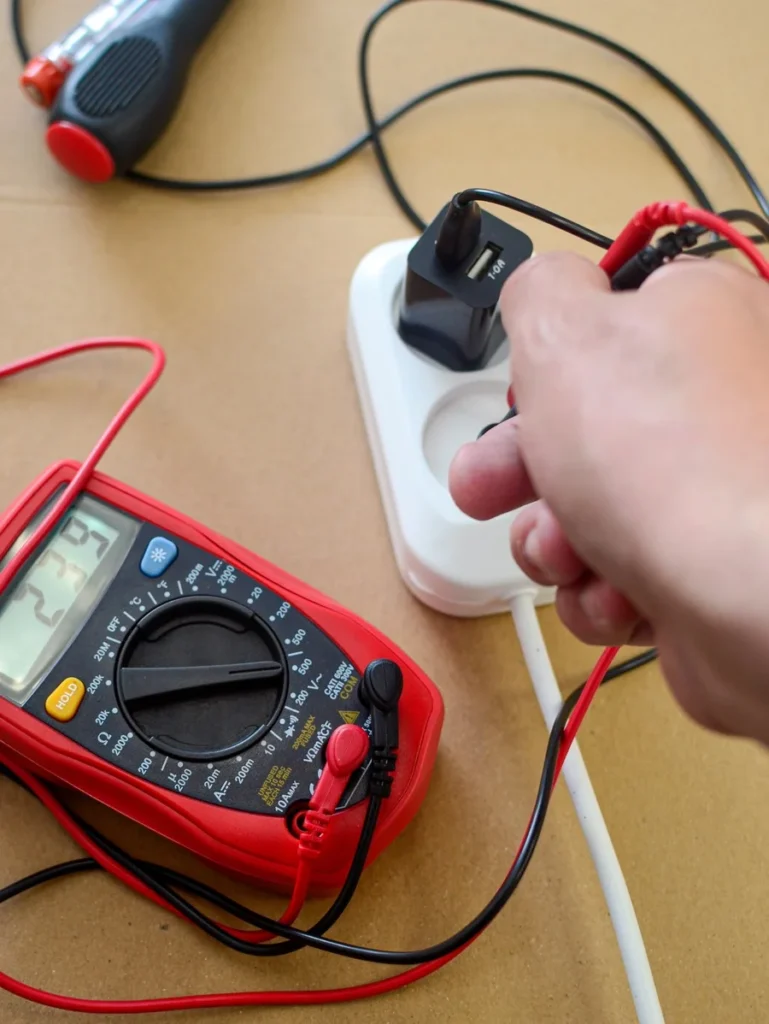
Circuit breakers and fuses are crucial for protecting your holiday home from electrical faults. They automatically cut off the electricity supply when there’s a fault, preventing potential fires or damage. Every holiday home should have these devices installed.
RCDs are essential safety devices that disconnect the circuit when they detect an imbalance in the electrical current. This is particularly important in areas where water is present, such as kitchens and bathrooms. It’s advisable to test RCDs regularly to ensure they function correctly.
Having smoke and carbon monoxide detectors is vital for the safety of your guests. These devices alert you to dangerous situations, allowing for quick action. Here’s a quick checklist for these detectors:
Regular checks and maintenance of your electrical appliances are essential to ensure safety and compliance with health and safety regulations for holiday lets.
| Equipment Type | Purpose | Frequency of Check |
|---|---|---|
| Circuit Breakers and Fuses | Protect against electrical faults | Annually |
| Residual Current Devices (RCDs) | Prevent electric shock | Monthly |
| Smoke Detectors | Alert for fire hazards | Monthly |
| Carbon Monoxide Detectors | Detect harmful gas leaks | Monthly |
By ensuring that these essential electrical safety devices are in place and regularly maintained, you can significantly reduce the risk of electrical hazards in your holiday home.
Regular visual inspections are crucial for maintaining electrical safety in your holiday home. At each changeover, ensure that you or your maintenance team check all appliances for any signs of damage or faults. Look out for:
Keeping a record of these checks is essential to demonstrate your commitment to safety checks.
In addition to visual checks, it’s important to schedule professional electrical testing. An EICR inspection should be conducted at least every five years, or more frequently depending on the usage and condition of your electrical systems. This report will help identify any potential hazards and ensure compliance with safety regulations.
Maintaining thorough records of all inspections and tests is vital. This includes:
By keeping these records, you can ensure that you are meeting your legal obligations and providing a safe environment for your guests.
As a responsible holiday let owner, you can’t afford to be complacent where electrical safety is concerned.
Overloading circuits is a common issue in holiday homes, especially when multiple appliances are used simultaneously. This can lead to overheating and potential fires. Holiday let owners should ensure that circuits are not overloaded by following these guidelines:
Faulty wiring can pose serious risks, including electric shocks and fires. It’s crucial for private rental landlords to be vigilant about the condition of their wiring. Here are some steps to take:
Damaged appliances can be hazardous, especially if they are not maintained properly. Guest safety is paramount, so consider the following:
Regular checks and maintenance are essential to prevent hazardous faults in your holiday home. This not only protects your property but also ensures a safe environment for your guests.
By being proactive about these common electrical hazards, holiday home owners can fulfil their duty of care and provide a safe and enjoyable experience for all visitors.
When it comes to ensuring electrical safety in your holiday home, hiring a qualified electrician is crucial. Here are some key points to consider:
Hiring a qualified electrician not only ensures compliance with safety regulations but also protects your guests and property from potential hazards.
By following these guidelines, you can find a skilled electrical engineer who will help keep your holiday home safe and compliant.
Using energy-efficient appliances is a smart choice for holiday homes. These appliances not only save energy but also reduce electricity bills. Here are some benefits:
Good lighting is essential for safety and comfort. Consider these options:
Integrating smart home technology can enhance safety and efficiency. Here are some features to consider:
Investing in energy-efficient solutions not only protects the environment but also ensures the safety of your guests.
In addition, ensure that your consumer units are up to date and compliant with safety standards. Regular checks can prevent hazards and ensure that your holiday home remains a safe haven for visitors. Remember, holiday lighting safety and efficiency installation is crucial; consider professional services to enjoy energy-saving displays without the risk.
Having a clear emergency plan is essential for any holiday home. This plan should include:
It’s crucial to provide guests with a list of emergency contacts. This list should include:
In case of electrical injuries, it’s important to know basic first aid:
Always ensure that your guests are aware of the emergency procedures. This can help prevent panic and ensure everyone knows what to do in a crisis. Fire safety in holiday lets is a key aspect of this preparation, as it helps identify risks and take necessary precautions.
Being ready for emergencies is crucial for everyone. Make sure you have a plan in place and know what to do in case of unexpected events. For more tips and resources on how to prepare effectively, visit our website today!
In conclusion, ensuring electrical safety in your holiday home is not just a legal requirement but also a vital part of protecting your guests. Regular checks and maintenance of electrical systems and appliances can prevent accidents and keep everyone safe. If your property is left empty for long periods, it’s crucial to have a qualified electrician inspect it every few years. Always provide clear instructions for guests on how to use appliances safely and encourage them to report any issues. By taking these steps, you can enjoy peace of mind knowing that your holiday home is a safe place for visitors.
When holiday homes aren’t used for a while, their electrical systems and appliances can get worse over time. Problems like dampness or pests, such as rats, can also occur without anyone noticing. This can lead to a higher chance of electric shocks or fires, so it’s important to check them regularly.
If you don’t live close to your holiday home, it’s wise to hire a qualified electrician to check the electrical systems every five years. Additionally, have them inspect the appliances each year to ensure they are safe.
It’s essential to provide the user manuals for all appliances in your holiday home. Also, ask guests to let you know if they notice any issues so you can fix them quickly.
As a holiday let owner, you must follow the Electrical Equipment (Safety) Regulations 1994. This means ensuring that all electrical equipment is safe for use, whether it’s new or second-hand.
It’s recommended to have your electrical systems inspected at least every five years. However, this can vary based on the type of equipment and how it’s used.
PAT testing checks the safety of electrical appliances to find any faults. Although it’s not legally required, it’s a good idea to have this done annually to ensure all appliances are safe for guests.
Disclaimer: The information provided in this blog is for general informational purposes only and should not be considered a substitute for professional advice. All work, including but not limited to electrical, plumbing, and construction, carries risks and should only be undertaken by qualified professionals. For specific guidance on any work, consult a certified professional in the relevant field. Always ensure compliance with local regulations and safety standards.
