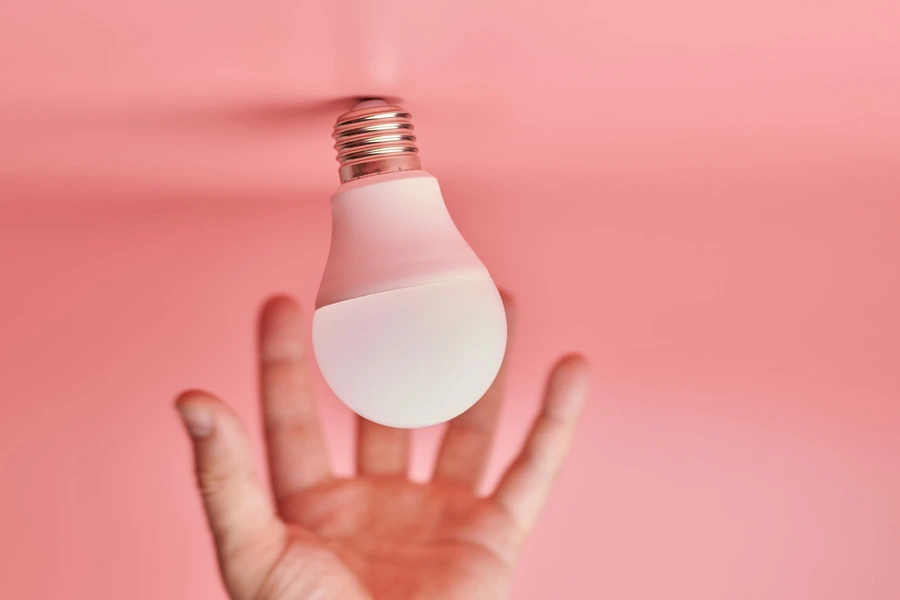
Fitting an LED lightbulb is a straightforward task that can significantly enhance your home's lighting while saving energy. This guide will walk you through everything you need to know, from understanding the types of LED bulbs to installing them safely and effectively.
Key Takeaways
- LED lightbulbs are energy-efficient and come in various types suitable for different fixtures.
- Always ensure the power is off before replacing any lightbulb to avoid accidents.
- If you encounter issues like flickering or not turning on, check the bulb's compatibility and connections.

LED lightbulbs come in various types, each designed for specific uses. Here are some common types:
Switching to LED bulbs offers numerous advantages:
In summary, the benefits of switching to LED bulbs include energy savings, longevity, and safety.
| Feature | LED Bulbs | Incandescent Bulbs |
|---|---|---|
| Average Lifespan | 25,000 hours | 1,000 hours |
| Energy Consumption | 8-12 watts | 60-100 watts |
| Heat Emission | Low | High |
LED lightbulb replacement is a smart choice for both your wallet and the environment. By changing to LED bulbs, you can enjoy brighter spaces while saving on energy costs.
Before you start fitting your new LED lightbulb, it’s essential to prepare properly. This ensures a smooth installation process and helps avoid any issues later on.
To fit your LED lightbulb, you will need a few basic tools:
Safety first! Always turn off the power at the circuit breaker before starting. Here are some safety tips:
Not all LED bulbs fit every fixture. Check the following:
Remember to dispose of any old halogen bulbs safely. Safe disposal of halogen bulbs is crucial to protect the environment.
Remember, following these lightbulb installation steps will ensure a smooth transition to your new LED lightbulb. If you encounter any issues, refer to the troubleshooting section of your LED lightbulb installation guide for assistance.
If your LED lightbulb is flickering or appears dim, it could be due to several reasons:
If your LED lightbulb refuses to turn on, consider the following:
If you notice any strange noises or smells coming from your LED lightbulb, it’s important to act quickly:
Remember: LED lights may not work for a few reasons, like power supply issues, damage, or improper installation. Always ensure proper installation to avoid these problems!
If you're facing issues, don't worry! Many common problems can be easily fixed. For more help and tips, visit our website and find more guides and tradesmen ready to help you out today!
In conclusion, fitting LED lightbulbs is a straightforward task that can greatly enhance your home’s lighting while saving energy. By following the steps outlined in this guide, you can easily replace old bulbs with new, efficient LEDs. Remember to always turn off the power before starting, select the right bulb for your fixture, and test it after installation. With a bit of care, you’ll enjoy bright, long-lasting light that’s kinder to the environment and your wallet. So, why not make the switch today?
There are several types of LED lightbulbs, including standard bulbs, decorative bulbs, and specialty bulbs for specific uses like spotlights or floodlights.
Check the base type of your old bulb and ensure the new LED bulb matches it. Most fixtures use either a bayonet (B22) or an Edison screw (E27) base.
First, make sure the bulb is properly installed. If it still doesn't work, check the power supply and try another bulb to see if the issue is with the fixture.
LED bulbs use significantly less wattage than traditional incandescent bulbs, so focus on the lumens for brightness. For example, a 10-watt LED typically produces around 800 lumens, which is comparable to a 60-watt incandescent bulb.
Yes, but it's important to ensure that the LED bulb is labelled as "dimmable." If you're using a dimmer switch designed for incandescent bulbs, it may not work correctly with some LED bulbs, potentially causing flickering. Consider upgrading to an LED-compatible dimmer for the best results.
LED lightbulbs can last up to 25,000 to 50,000 hours, which is significantly longer than traditional incandescent bulbs (which last about 1,000 hours) and compact fluorescent lamps (CFLs, which last about 10,000 hours). This longevity makes LEDs a more cost-effective and environmentally friendly option over time.
Disclaimer: The information provided in this blog is for general informational purposes only and should not be considered a substitute for professional advice. All work, including but not limited to electrical, plumbing, and construction, carries risks and should only be undertaken by qualified professionals. For specific guidance on any work, consult a certified professional in the relevant field. Always ensure compliance with local regulations and safety standards.

