

Keeping a holiday cottage dry and free from damp is essential for maintaining its value and ensuring a pleasant environment for guests. Damp and mould can cause serious health issues and damage to the property, making it crucial to implement effective prevention strategies. This article explores various methods to safeguard your cottage from moisture and mould, ensuring a welcoming retreat for all who visit.
Key Takeaways
- Regularly ventilate the property by opening windows and doors to improve airflow.
- Use dehumidifiers to manage moisture levels, especially in damp-prone areas.
- Choose moisture-resistant materials for construction and furnishings.
- Conduct seasonal inspections to identify and address potential damp issues early.
- Invest in smart home technology for remote monitoring and automated ventilation.
Damp and mould can be a significant issue in unoccupied holiday cottages. Understanding the causes is the first step in mould prevention. Here are some key factors:
Maintaining a dry environment is crucial for preventing mould. Regular checks and proper maintenance can save you from costly mould remediation later on.
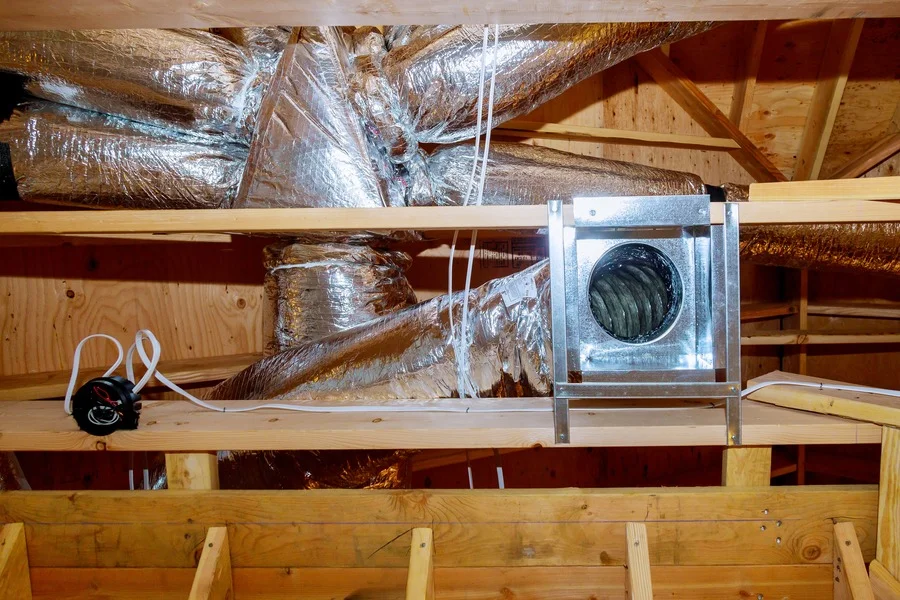
To keep your holiday cottage dry and comfortable, ventilation systems are essential. These systems help to manage air circulation and reduce moisture levels. Here are some effective options:
Natural ventilation is a simple yet effective way to improve air quality. Here are some tips:
Maintaining regular airflow is crucial for preventing damp and mould. Consider these strategies:
Regular ventilation is key to maintaining a healthy environment in your holiday cottage. It not only prevents damp but also enhances the overall comfort for guests.
By implementing these ventilation tips, you can significantly reduce the risk of damp and mould in your unoccupied holiday cottage, ensuring it remains a welcoming space for visitors.
Managing moisture is crucial for keeping your holiday cottage dry and comfortable. Here are some effective techniques:
Keeping your holiday cottage dry is not just about comfort; it’s about protecting your investment and ensuring a healthy environment for guests.
By implementing these moisture control techniques, you can significantly reduce the chances of damp and mould in your holiday cottage, ensuring a pleasant stay for all visitors.
Preparing your holiday cottage for winter is crucial to prevent damage from cold weather. Here are some essential steps:
During the warmer months, humidity can lead to damp and mould. To combat this:
Regular inspections are vital for maintaining your holiday cottage. Consider the following:
Regular maintenance not only protects your investment but also improves the overall guest experience.
When selecting materials for your holiday cottage, moisture-resistant materials are essential. These materials help prevent damp from penetrating the structure. Consider using:
Proper insulation is crucial for maintaining a dry environment. It helps keep the heat in and moisture out. Here are some effective insulation options:
Investing in quality building materials not only protects your property but also offers long-term benefits:
Choosing the right materials is not just about aesthetics; it’s about ensuring the longevity and health of your holiday cottage. Regular building inspections can help identify any issues early on, ensuring your investment remains sound.

To keep your holiday cottage in top shape, regular property checks are essential. Here are some key areas to focus on:
Spotting damp early can save you from costly repairs. Watch for:
Sometimes, it’s best to call in the experts. Professional inspections can help identify hidden issues. Consider:
Regular monitoring and maintenance not only protect your property but also increase its value and appeal. This is especially important for long-term vacancy situations, where neglect can lead to significant issues.
By implementing these strategies, you can ensure your holiday cottage remains a safe and welcoming space for guests, contributing positively to your community contribution efforts and commercial property management goals.
Smart home technology can play a significant role in dampness prevention. These devices can monitor humidity levels and alert you when they rise too high. Some popular options include:
Remote monitoring systems allow you to keep an eye on your holiday cottage from anywhere. This technology can help you:
Automated ventilation systems can help maintain a healthy indoor environment. They work by:
Investing in technology for damp prevention is not just about comfort; it’s about protecting your property and ensuring a safe environment for guests.
By utilising these technologies, you can significantly reduce the risk of damp and mould in your holiday cottage, ensuring it remains a welcoming space for all.
As a property owner, it’s crucial to be aware of your legal responsibilities regarding damp and mould. Many regions require landlords to ensure their properties are free from these issues, as they can harm the health of tenants. This means you must act quickly on any reports of damp or water damage and make necessary repairs to prevent future problems.
Having the right insurance is essential for protecting your property. Ensure your policy covers:
Regularly review your insurance to make sure it reflects any changes to your property. This will help you avoid potential gaps in coverage that could leave you vulnerable.
If you experience damage, knowing how to file a claim is vital. Here are some steps to follow:
Maintaining a secure and well-insured property not only protects your investment but also ensures peace of mind for you and your tenants.
Implementing strong security measures is key to safeguarding your holiday cottage. Consider:
These steps are especially important for unoccupied properties, as they help prevent unauthorised access and potential interior damage.
By following these guidelines, you can protect your property from damp and mould while ensuring compliance with legal standards and insurance requirements.
When considering legal and insurance matters, it's crucial to ensure you're fully informed. Understanding your responsibilities can save you from potential issues down the line. For more insights and guidance, visit our website today!
Keeping your holiday cottage dry and free from mould is crucial for both comfort and health. By following the tips outlined in this article, you can significantly reduce the risk of dampness. Simple actions like using dehumidifiers, ensuring proper ventilation, and maintaining good heating can make a big difference. Remember, a well-cared-for cottage not only protects your investment but also provides a welcoming space for you and your guests. With a little effort, you can enjoy a mould-free environment, ensuring your holiday retreat remains a pleasant escape for years to come.
Damp and mould can happen due to moisture in the air, poor ventilation, and leaks from plumbing or roofs.
You can improve ventilation by opening windows, using exhaust fans, and keeping doors open between rooms.
Dehumidifiers help to remove excess moisture from the air, which can prevent damp and mould growth.
To prepare for winter, make sure to check for leaks, insulate properly, and keep the heating on low.
Using moisture-resistant materials and good insulation can help prevent damp in your cottage.
It's a good idea to check your property regularly, at least once a month, for any signs of damp or mould.
Disclaimer: The information provided in this blog is for general informational purposes only and should not be considered a substitute for professional advice. All work, including but not limited to electrical, plumbing, and construction, carries risks and should only be undertaken by qualified professionals. For specific guidance on any work, consult a certified professional in the relevant field. Always ensure compliance with local regulations and safety standards.
