Installing outdoor security lights can greatly enhance the safety and charm of your home. This guide will help you understand how to choose, plan, and install these lights effectively, ensuring your property is well-lit and secure. Whether you're looking to deter burglars or simply brighten up your garden, this DIY project is straightforward and rewarding.
Key Takeaways
Select outdoor lights that are weatherproof and designed for your specific needs.
Plan the installation carefully, considering the best locations for effective lighting.
Always ensure safety by turning off the power before starting any electrical work.
Follow the manufacturer's instructions closely for proper installation and connection.
Regularly maintain your lights to ensure they function correctly and efficiently.
Choosing the Right Security Lights
When it comes to enhancing your home’s safety, choosing the right security lights is crucial. There are various types of security lights available, each with unique features that cater to different needs.
Types of Security Lights
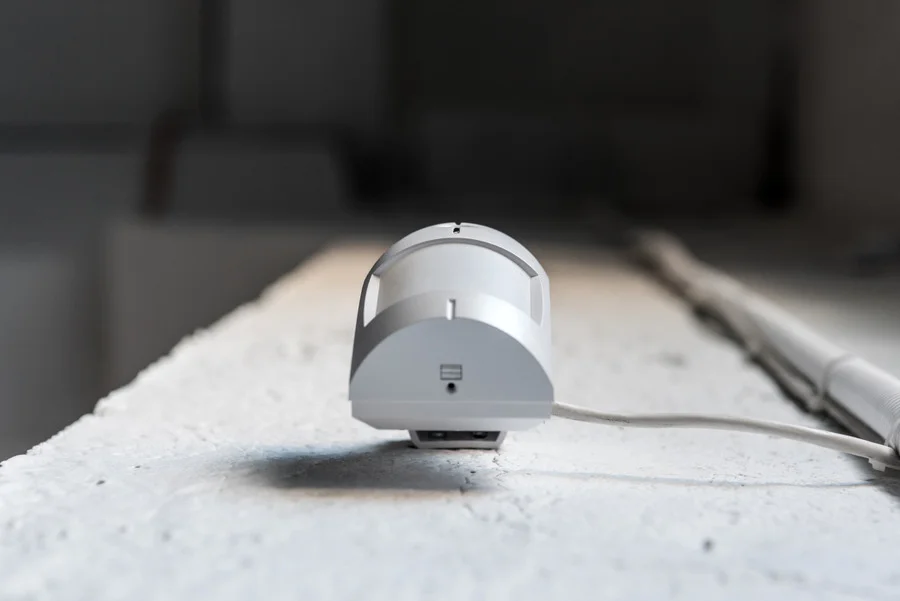
Motion Sensor Lights: These lights activate when they detect movement, making them ideal for driveways and pathways. They not only welcome guests but also deter unwanted visitors.
Dusk to Dawn Lights: These lights automatically turn on at sunset and off at sunrise, ensuring your property is always illuminated during the night.
Timer-Controlled Lights: If you prefer manual control, timer lights can be set to turn on and off at specific times, providing flexibility.
Factors to Consider
When selecting security lights, consider the following:
Brightness: Ensure the lights provide adequate illumination for your property.
Coverage Area: Choose lights that cover the necessary areas without leaving dark spots.
Durability: Opt for weatherproof fixtures that can withstand outdoor conditions.
Energy Efficiency and Cost
To save on energy bills, look for lights with energy-efficient bulbs. Here’s a quick comparison:
Type of Light
Energy Efficiency
Average Cost
Motion Sensor
High
£30 - £100
Dusk to Dawn
Moderate
£25 - £80
Timer-Controlled
Low
£20 - £60
Choosing the right security lights not only enhances your home’s safety but also contributes to energy savings. Always prioritise illumination in your selection process!
Planning the Installation
Planning is a vital step in your DIY projects for outdoor security lights. Here’s how to get started:
Assessing Your Property
Identify areas that need lighting, such as pathways or entrances.
Consider the building regulations in your area to ensure compliance.
Check for existing power sources; if none are available, you may need to install outdoor-rated outlets.
Determining Light Placement
Choose locations that provide maximum coverage. Good spots include:
Near doors for safety.
Corners of buildings for wider illumination.
Areas where motion detection is most effective.
Mark your chosen spots with tape or a marker to visualise the layout.
Gathering Necessary Tools and Materials
Before you start, make sure you have everything you need:
Step ladder for reaching high places.
Electric drill, wire cutters, and connectors.
Weather-resistant fixtures and suitable bulbs with a high IP rating.
Remember: Proper planning can save you time and effort during installation. Take your time to ensure everything is in place before you begin!
Preparing for Installation
Before you start installing your outdoor security lights, it’s essential to prepare properly. This ensures a smooth and safe installation process.
Ensuring Safety Measures
Always wear protective equipment like gloves and goggles to avoid injuries.
Make sure to turn off the power supply at the fuse box to prevent electric shocks.
Use a socket tester to confirm that there is no power in the area where you will be working.
Turning Off Power
Locate your fuse box and switch off the main power.
Inform anyone in your home that the power is off to avoid accidents.
Double-check with a voltage tester to ensure safety before starting.
Reading the Manufacturer's Instructions
Carefully read the installation guide that comes with your lights. This will provide specific details on how to install your chosen fixtures.
Pay attention to any warnings or special instructions regarding wiring and mounting.
Make sure you understand how to connect the lights to the terminal box safely.
Proper preparation is key to a successful installation. With the right tools and safety measures in place, you can enhance your outdoor space effectively.
Installing the Security Lights
Mounting the Lights
To begin, select a suitable location for your security lights. Ideal spots include corners of buildings or near entryways. Ensure the lights are mounted at least nine feet above the ground for optimal coverage. Here’s a quick checklist for mounting:
Choose a location that illuminates key areas.
Use a marker to mark the spot.
Ensure the surface is sturdy enough to hold the light.
Connecting the Wiring
Next, it’s time to connect the wiring. Follow these steps:
Turn off the power at the circuit breaker to ensure safety.
Use a socket tester to confirm the power is off.
Drill a hole for the wiring, ensuring it’s large enough for the cables.
Run the wiring through the hole to the junction box.
Connect the wires using wire connector nuts and secure them with electrical tape.
Attach the light fixture to the mounting bracket.
Testing the Lights
Once everything is connected, it’s crucial to test your installation:
Turn the power back on at the circuit breaker.
Check if the lights illuminate properly.
If your lights have motion sensors, walk around to ensure they detect movement.
Adjust the angle of the lights for the best coverage.
Remember, proper installation of DIY outdoor lights not only enhances security but also adds to the beauty of your home. Regular checks and maintenance will keep them functioning well for years to come.
Maintaining Your Security Lights
Keeping your security lighting in good shape is essential for effective home security. Regular maintenance ensures that your outdoor lights function properly and last longer. Here are some key areas to focus on:
Regular Cleaning and Inspection
Clean the fixtures regularly to remove dirt and debris that can block light.
Inspect for any signs of wear, such as cracks or rust.
Check the wiring connections to ensure they are secure and free from corrosion.
Replacing Bulbs and Batteries
Replace bulbs as soon as they burn out to maintain visibility.
Consider using energy-efficient options like LEDs to save on costs.
For battery-operated lights, replace batteries at least once a year to ensure they function when needed.
Troubleshooting Common Issues
If your lights are not working, consider the following:
Check if the mains power is on.
Inspect for any loose connections.
Ensure that the light sensor is not obstructed.
Regular maintenance can prevent future issues and save costs.
By following these simple steps, you can ensure that your outdoor lighting remains effective and contributes to your overall home security. Don't forget to prioritise electrical safety when handling any wiring or fixtures!
Improving Security with Additional Features
Improving your outdoor security lights with additional features can significantly boost your home’s safety. Motion sensors are a great addition, as they activate the lights when movement is detected, making them perfect for driveways and pathways. Here are some features to consider:
Using Motion Sensors
Automatic Activation: Lights turn on when they sense movement, deterring intruders.
Energy Saving: They conserve energy by turning off when no motion is detected.
Welcoming Guests: They can also be used to greet visitors without needing to flip a switch.
Integrating with Smart Home Systems
Remote Control: Control your lights from your smartphone or tablet.
Scheduling: Set timers for when you want the lights to turn on or off.
Alerts: Receive notifications if the lights are triggered unexpectedly.
Setting Up Timers and Schedules
Dusk to Dawn: These lights automatically turn off during the day, saving energy.
Adjustable Timers: You can set specific times for the lights to operate, which is useful as seasons change.
Consistent Illumination: Ensure your property is well-lit at all times, enhancing safety.
Adding these features not only improves security but also makes your outdoor space more functional and welcoming.
In addition, consider using a wire detector to ensure safe installation, especially when working with electrical wiring. This will help you avoid any hazards and ensure a smooth setup. By incorporating these features, you can create a safer environment for your home and family.
To increase your security, consider adding extra features that can make a real difference. Whether it's installing better locks or upgrading your alarm system, every step counts. For more tips and to connect with local experts, visit our website today!
Final Thoughts on Installing Outdoor Security Lights
In conclusion, setting up outdoor security lights can significantly enhance the safety of your home. By following the steps outlined in this guide, you can create a well-lit environment that deters unwanted visitors and keeps your family safe. Remember to choose lights that are suitable for outdoor use and ensure all connections are secure and weatherproof. If you ever feel unsure about any part of the installation, don’t hesitate to ask a professional for help. With a little effort, you can enjoy a brighter and safer outdoor space.
Frequently Asked Questions
What types of outdoor security lights are available?
There are several types of outdoor security lights, including floodlights, motion sensor lights, and solar-powered lights. Each type serves different purposes and can enhance security in various ways.
How do I choose the best placement for my security lights?
When deciding where to place your security lights, think about areas that need more light, like entrances, driveways, and dark corners of your garden. This will help improve visibility and safety.
Is it safe to install outdoor lights myself?
Yes, you can install outdoor lights yourself if you follow safety guidelines and instructions. However, if you're unsure about electrical work, it's best to hire a qualified electrician.
How often should I check my outdoor security lights?
It's a good idea to check your outdoor security lights regularly, at least once every few months. This will help you catch any issues like burnt-out bulbs or damage before they become bigger problems.
What should I do if my security lights stop working?
If your security lights stop working, first check the bulbs and connections. If everything looks fine but the lights still don’t work, consider consulting an electrician for further help.
Can I use solar lights for security?
Yes, solar lights can be effective for security. They charge during the day and can provide light at night, making them a convenient and energy-efficient option.
Looking for the all-in-one platform to connect your trades business with Cornish locals?
Disclaimer: The information provided in this blog is for general informational purposes only and should not be considered a substitute for professional advice. All work, including but not limited to electrical, plumbing, and construction, carries risks and should only be undertaken by qualified professionals. For specific guidance on any work, consult a certified professional in the relevant field. Always ensure compliance with local regulations and safety standards.