How to Replace a Dimmer Switch: A DIY Guide

Last Updated: September 30, 2024
7 minutes
Table of Contents
Primary Item (H2)

Replacing a dimmer switch is a straightforward DIY task that can improve the ambiance of your home. With the right tools and a little guidance, you can easily install a new dimmer switch to control the brightness of your lights. This guide will take you through the necessary steps, from understanding the types of dimmer switches to troubleshooting common issues after installation.

Key Takeaways

  • Ensure the power is turned off before starting the replacement.
  • Identify the correct wires and their connections for the new switch.
  • Use the right tools and safety gear to prevent accidents.
  • Test the new dimmer switch after installation to confirm it works properly.
  • Regular maintenance can prolong the life of your dimmer switch.

Understanding Dimmer Switches

Types of Dimmer Switches

Dimmer switches come in various types to suit different lighting needs. Here are some common types:

  • Modern dimmers: These use semiconductor devices to control power flow, making them efficient and suitable for various bulbs.
  • Smart dimmers: Ideal for smart homes, these can be controlled remotely via apps or voice commands.
  • Traditional dimmers: Older models that reduce electricity flow by converting some into heat, but they are less energy-efficient.

How Dimmer Switches Work

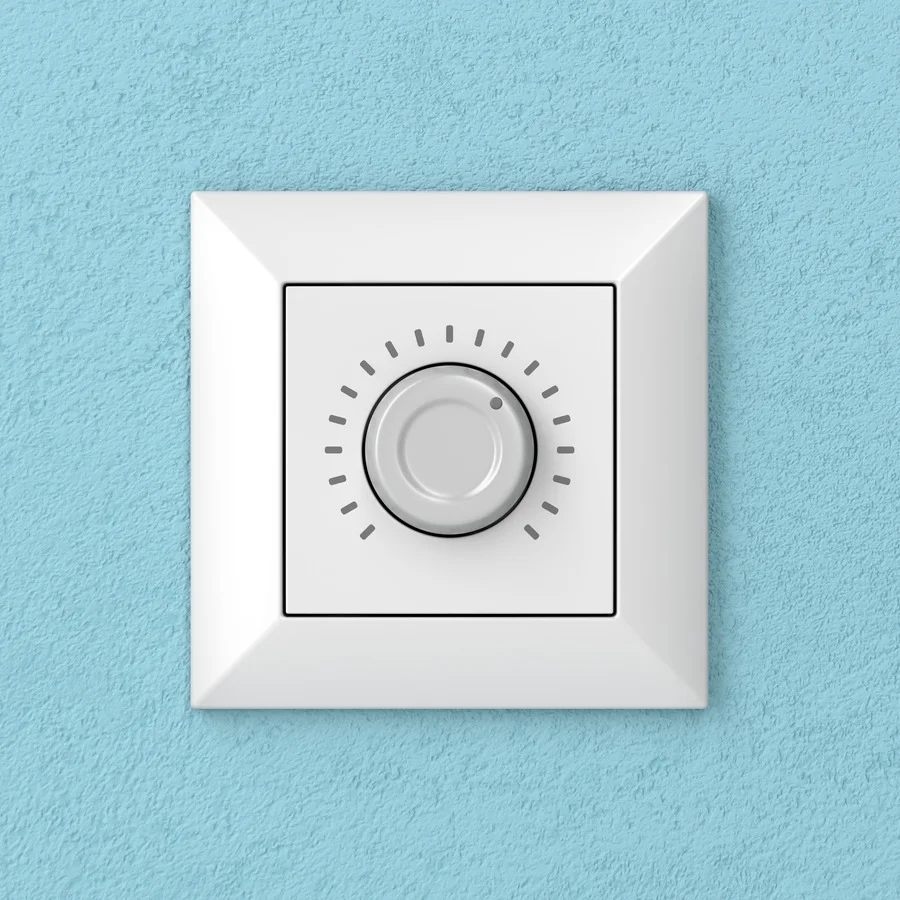
Dimmer switches adjust the brightness of lights by changing the amount of electricity flowing to the bulbs. Most dimmers require a Decora cover plate, which fits the switch's rectangular opening. It's essential to ensure compatibility with the type of light bulbs you are using. For instance:

  • Incandescent and halogen bulbs work with most dimmers.
  • LED and fluorescent bulbs need specific dimmers rated for those types.

Benefits of Using Dimmer Switches

Using dimmer switches offers several advantages:

  1. Energy savings: Dimming lights can reduce energy consumption.
  2. Mood setting: Adjusting brightness can create the desired atmosphere for any occasion.
  3. Extended bulb life: Dimming can prolong the lifespan of light bulbs.

Always check that your bulbs are labelled "dimmable" before using them with a dimmer switch. This ensures safety and proper functionality.

In summary, understanding the different types of dimmer switches and how they operate is crucial for effective installation and use. Choosing the right dimmer switch can enhance your lighting experience significantly.
Gathering the Necessary Tools and Materials

When replacing a dimmer switch, it’s essential to have the right tools and materials ready. This will make the process smoother and safer. Here’s what you’ll need:

Essential Tools for the Job

  • Screwdriver: A flathead and Phillips screwdriver will be necessary for removing the old switch.
  • Wire Strippers: These will help you prepare the wires for connection.
  • Voltage Tester: To ensure the power is off before you start working.

Choosing the Right Dimmer Switch

When selecting a dimmer switch, consider:

  • Compatibility: Ensure it works with your light bulbs, especially if you’re using LED bulbs.
  • Style: Choose a design that matches your home decor.
  • Features: Some dimmers come with smart technology or remote control options.

Safety Gear and Precautions

Before you start, make sure to wear:

  • Safety Glasses: To protect your eyes from any debris.
  • Gloves: To keep your hands safe while handling wires.
  • Face Mask: If you’re working in a dusty area.

Remember, safety first! Always turn off the power at the circuit breaker before starting any electrical work.

By gathering these tools and materials, you’ll be well-prepared to tackle the dimmer switch replacement with confidence!

Preparing for the Replacement

Turning Off the Power

Before you start, safety is crucial. Always turn off the power to the circuit you’ll be working on. Locate your home’s electrical panel and switch off the breaker that controls the light switch you’re replacing. This step is essential to prevent electrical shocks. After turning off the power, double-check that the circuit is dead:

  1. Flip the existing switch on and off to ensure no power is flowing.
  2. Remove the switch plate and use a voltage tester to check the wires in the electrical box.
  3. If there are multiple switches in the same box, test all wires to be certain.

Removing the Old Switch

Once you’ve confirmed the power is off, it’s time to remove the old switch. Follow these steps:

  1. Unscrew and remove the switch plate cover.
  2. Pull the switch out of the electrical box.
  3. Take a photo or make a note of how the wires are connected to the old switch.
  4. Cut the existing wires as close to the switch as possible. This is safer than disconnecting them, as it prevents potential issues with old, fatigued wires.

Inspecting the Wiring

While the switch is out, take a moment to inspect the electrical box:

  • Check for any signs of damage or wear.
  • Ensure the box is securely fastened to the wall stud.
  • Look for any loose wire connections or frayed insulation.

Always prioritise safety when working with electricity. If you’re unsure, consult a qualified electrician.

Installing the New Dimmer Switch

Connecting the Wires

To connect your new dimmer switch, follow these steps:

  1. Strip about three-quarters of an inch of insulation from the ends of the house wires.
  2. Match the wire colours: typically, black to black (hot), white to white (neutral), and bare ground wire to the green wire from the switch.
  3. Hold the matching wire pairs together so the insulation ends align.
  4. Twist the wires clockwise using lineman’s pliers until the insulated sections wrap around each other. This helps to prevent any future tension on the connection.
  5. Secure each connection with a wire nut, twisting clockwise until tight.
  6. Gently tug on each wire nut to check for a solid connection.

Securing the Switch

Once the wires are connected, it’s time to secure the switch:

  1. Carefully fold the wires back into the electrical box.
  2. Push the dimmer switch into the box, aligning the mounting holes.
  3. Secure the switch to the box using the provided screws.
  4. Attach the cover plate, ensuring it sits flush against the wall.

Testing the Installation

After securing the switch, it’s crucial to test your installation:

  1. Turn the power back on at the consumer unit.
  2. Test your new dimmer switch by adjusting the brightness.
  3. Ensure that the lights respond correctly to the dimmer settings.

Remember, if you encounter any issues, it’s best to consult a qualified electrician. Safety should always come first.

Troubleshooting Common Issues

When your dimmer switch isn’t working as it should, it can be frustrating. Here are some common problems and how to fix them:

Dimmer Switch Not Working

  • Check the power supply: Ensure the circuit breaker is on.
  • Inspect connections: Make sure all wires are securely connected.
  • Test the switch: If it’s still not working, the switch may be faulty.

Lights Flickering

  • Compatibility check: Ensure your light bulbs are compatible with the dimmer switch.
  • Wattage limit: Verify that the total wattage of the bulbs does not exceed the dimmer’s rating.
  • Replace bulbs: Sometimes, simply changing the bulbs can resolve flickering issues.

Overheating Problems

  • Turn off the power: If the switch feels hot, turn off the power immediately.
  • Check for overload: Ensure you’re not using too many bulbs or high-wattage bulbs.
  • Consider a replacement: If overheating continues, it might be time to replace the dimmer switch.

Remember, safety first! If you’re unsure about any steps, consult a professional electrician.

IssuePossible CauseSolution
Dimmer not workingFaulty switch or loose connectionsCheck connections, replace switch
Lights flickeringIncompatible bulbsUse compatible bulbs
OverheatingOverloaded circuitReduce wattage or replace switch

Maintaining Your Dimmer Switch

Cleaning the Switch

To keep your dimmer switch in good shape, regular cleaning is essential. Here are some tips:

  • Use a soft, dry cloth to wipe the surface.
  • Avoid using water or cleaning solutions directly on the switch.
  • Ensure the switch is turned off before cleaning.

Regular Inspections

It’s wise to check your dimmer switch periodically. Here’s what to look for:

  1. Signs of wear or damage.
  2. Loose connections or wires.
  3. Any unusual noises or flickering lights.

When to Replace Your Dimmer Switch

If you notice any of the following, it might be time for a replacement:

  • The switch is hot to the touch.
  • It fails to dim lights properly.
  • There are visible signs of damage.

Regular maintenance can help prevent costly repairs and ensure the longevity of your dimmer switch.

By following these simple steps, you can keep your dimmer switch functioning well and safe to use!

Keeping your dimmer switch in good shape is essential for a smooth lighting experience. Regular checks can help you spot any issues early. If you need expert help or want to learn more about maintaining your dimmer switch, visit our website for tips and trusted local tradesmen ready to assist you!

Wrapping Up Your Dimmer Switch Installation

Replacing a dimmer switch can seem tricky, but it’s a task you can handle with a bit of care. By following the steps outlined in this guide, you can easily enhance the lighting in your home. Remember to always turn off the power before starting and double-check your connections to ensure everything is safe. Once you’ve installed your new dimmer, take a moment to enjoy the different lighting options it offers. If you run into any issues, don’t hesitate to reach out for help. Happy DIYing!

Frequently Asked Questions

What is a dimmer switch?

A dimmer switch lets you control how bright or dim your lights are. You can adjust the brightness to create different moods in a room.

Can I use any light bulb with a dimmer switch?

Not all light bulbs work with dimmer switches. Make sure to use dimmable bulbs, especially if you're using LED lights.

How do I know if my dimmer switch is compatible with LED bulbs?

Check the packaging or the product details to see if it mentions being suitable for LED bulbs. Look for terms like 'trailing-edge'.

Is it safe to install a dimmer switch myself?

If you feel confident and follow safety steps, you can install a dimmer switch. However, if you're unsure, it's best to hire a professional.

What should I do if my dimmer switch is making a buzzing sound?

A buzzing sound can mean the dimmer switch isn't compatible with your bulbs. Try using different bulbs or check if the dimmer is faulty.

How often should I check my dimmer switch?

It's a good idea to inspect your dimmer switch every year. Look for any signs of wear or damage and replace it if needed.

Looking for the all-in-one platform to connect your trades business with Cornish locals?
Join other Cornish tradesmen today.
Sign Up

Disclaimer: The information provided in this blog is for general informational purposes only and should not be considered a substitute for professional advice. All work, including but not limited to electrical, plumbing, and construction, carries risks and should only be undertaken by qualified professionals. For specific guidance on any work, consult a certified professional in the relevant field. Always ensure compliance with local regulations and safety standards.

Looking for a tradesman for your next job?
Browse verified tradesmen.
Search Now
Want to join as a tradesmen?
Get seen by Cornish locals.
Sign Up
crossmenuchevron-down linkedin facebook pinterest youtube rss twitter instagram facebook-blank rss-blank linkedin-blank pinterest youtube twitter instagram