

Maintaining a roof for holiday homes near the coast is crucial due to the harsh weather conditions that can cause significant damage. This article provides simple yet effective tips to help you keep your roof in good shape, ensuring your property remains safe and welcoming for guests. From understanding the impact of coastal weather to regular maintenance practises, these guidelines will help you protect your investment and enhance the longevity of your home.
Key Takeaways
- Coastal weather can harm roofs; regular checks are vital.
- Choose durable materials that resist salt and wind damage.
- Seasonal inspections help spot issues early, saving costs.
- Use protective coatings to extend roof life and prevent leaks.
- Keep gutters clear to avoid water damage and flooding.
Living in coastal homes comes with unique challenges due to the coastal climate. The weather can significantly affect your roof, leading to potential costly damage if not properly managed. Here are some key factors to consider:
Keeping your roof in good condition is vital to prevent environmental damage and maintain the integrity of your beach house interior. Regular inspections and maintenance can save you from expensive repairs in the future.
| Weather Factor | Impact on Roof | Prevention Measures |
|---|---|---|
| Salt Air | Corrosion of metal components | Use salt-resistant materials |
| Wind | Damage to roofing materials | Install wind-resistant roofing |
| Humidity | Mould and material weakening | Ensure proper ventilation |
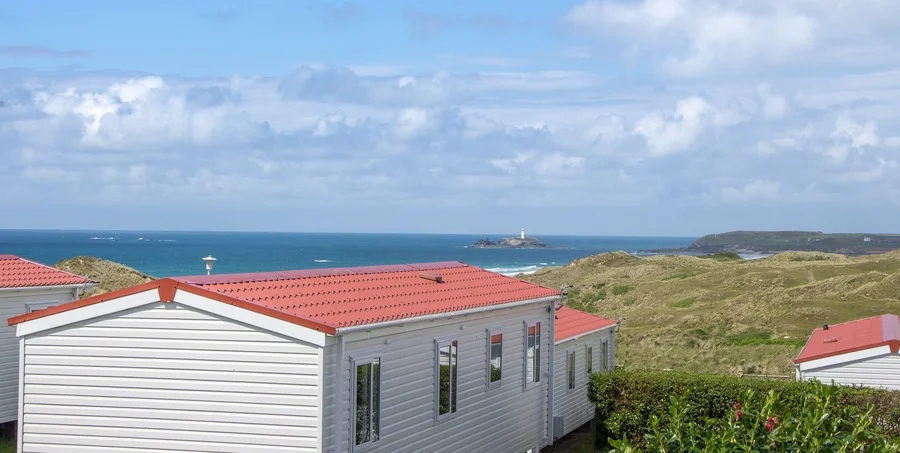
When it comes to roof maintenance, selecting the right materials is crucial for coastal homes. The harsh coastal environment demands materials that can withstand salt air, wind, and moisture. Here are some key considerations:
| Material | Lifespan (Years) | Durability Rating | Maintenance Level |
|---|---|---|---|
| Aluminium | 40-50 | High | Low |
| Stone-coated metal | 50 | Very High | Low |
| Fibreglass shingles | 20-30 | Moderate | Moderate |
Choosing the right roofing materials is essential for protecting your home from the elements, especially in coastal areas. Weather-resistant materials not only enhance durability but also save on long-term maintenance costs.
By understanding the unique challenges posed by coastal weather, homeowners can make informed decisions that ensure their roofs remain strong and effective for years to come.
Maintaining your holiday home is crucial for its property longevity. Regular inspections help ensure that your roof remains in good condition, protecting your investment from coastal weather.
Regular maintenance is key to preventing costly repairs and ensuring your beach house remains a safe retreat for years to come.
| Inspection Type | Frequency | Notes |
|---|---|---|
| Roof Inspection | Twice a year | After storms, if possible |
| Gutter Cleaning | Every season | Prevent water damage |
| Professional Check-Up | Annually | For major issues |
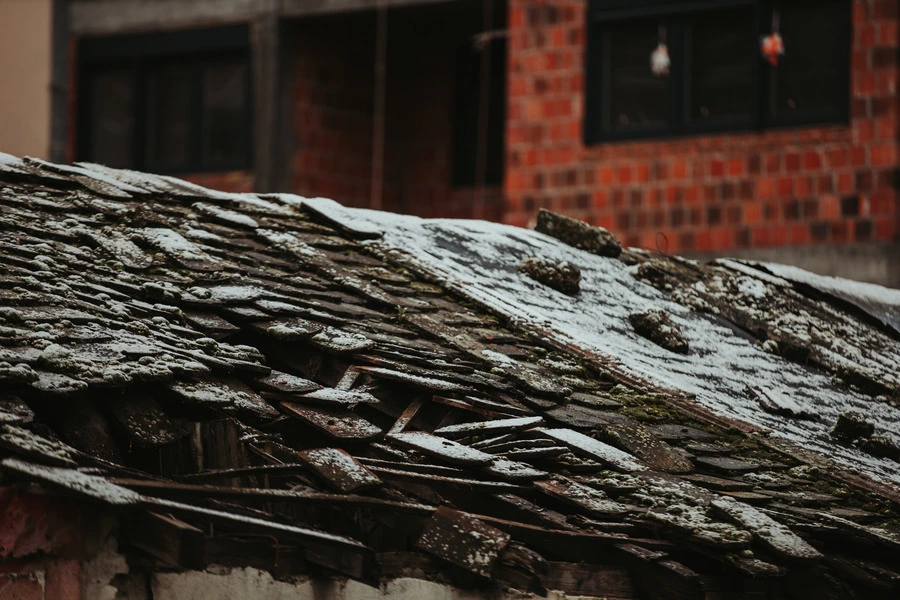
Waterproof coatings are essential for homes near the coast. They provide sand and salt protection, preventing damage from harsh weather. Here are some key benefits:
UV rays can degrade roofing materials over time. Using UV-resistant treatments helps maintain the integrity of your roof. Consider these points:
Corrosion is a significant concern for coastal homes. Implementing anti-corrosion solutions can safeguard your property. Here’s how:
Maintaining your roof with the right treatments is crucial for protecting your home from the elements. Durable furniture and fixtures can also benefit from these protective measures, ensuring longevity and performance.
Keeping your gutters clean is crucial for preventing water damage to your holiday home. Clogged gutters can lead to serious issues, such as leaks and mould. Here are some key points to remember:
To avoid water damage, follow these steps:
Selecting the right materials for your gutters can make a big difference. Consider these options:
Regular maintenance of your gutters is essential for the longevity of your roof and overall property management. By keeping them clear, you can prevent costly repairs and ensure a safe environment for your guests.
To keep your roof in good shape, it’s essential to take steps to prevent the growth of algae, lichens, liverworts and mosses. Here are some effective measures:
If you already have algae or moss on your roof, here are some safe cleaning methods:
To ensure your roof remains free from algae and moss in the long run, consider these options:
Keeping your roof clean and well-maintained not only improves its appearance but also extends its lifespan. Outdoor furniture care is equally important, as algae can spread to these areas, causing further issues.
To ensure your roof can withstand storms, consider the following steps:
If a storm is imminent, take these quick actions:
After a storm, it’s crucial to assess any damage:
Homeowners tips: Regular maintenance and preparation can save you from costly repairs and ensure your holiday home remains safe and welcoming for guests.
By following these guidelines, you can protect your coastal holiday home from the harsh effects of storms and ensure it remains a safe haven for visitors.
When storms approach, being prepared can make all the difference. Ensure you have a plan in place, gather essential supplies, and stay informed about weather updates. For more tips on how to stay safe during storms, visit our website today!
In summary, maintaining your holiday home near the coast is crucial, especially during the winter months. By regularly checking your roof, clearing gutters, and securing windows and doors, you can prevent serious damage from storms and heavy rain. It's also wise to turn off the water supply if your property will be empty for a while, as this can help avoid leaks and flooding. Additionally, ensuring your home is well-lit and secure will keep both your guests and property safe. Taking these simple steps will not only protect your investment but also create a welcoming environment for your visitors.
To protect your roof from coastal weather, regularly inspect it for damage, clear debris from gutters, and consider using durable materials that can withstand salt air and strong winds.
It's a good idea to check your roof at least twice a year, especially before and after the stormy season, to catch any issues early.
Materials like metal, slate, and certain types of tiles are great for coastal roofs as they resist corrosion and can handle harsh weather.
Yes, you can clean your roof yourself, but be cautious. Use safe methods like a soft brush and avoid using harsh chemicals that could harm the environment.
If you find damage, it's best to contact a professional to assess the situation and make repairs to prevent further issues.
To prevent algae and moss, keep your roof clean and consider applying a special treatment that inhibits their growth.
Disclaimer: The information provided in this blog is for general informational purposes only and should not be considered a substitute for professional advice. All work, including but not limited to electrical, plumbing, and construction, carries risks and should only be undertaken by qualified professionals. For specific guidance on any work, consult a certified professional in the relevant field. Always ensure compliance with local regulations and safety standards.
