Storm-Proofing Your Cornish Holiday Home

Last Updated: October 10, 2024
9 minutes
Table of Contents
Primary Item (H2)

Cornwall is known for its beautiful landscapes and charming holiday homes, but the region's weather can be unpredictable and often severe. To ensure your Cornish holiday home remains safe and welcoming, it's essential to take measures that protect it from storms and harsh weather conditions. This guide outlines practical steps to help you prepare your property, making it a cosy retreat for you and your guests, no matter the weather outside.

Key Takeaways

  • Regularly inspect your roof and clear gutters to avoid blockages.
  • Insulate pipes to prevent freezing and check for leaks.
  • Ensure your heating system is serviced and radiators are functioning well.
  • Secure windows and doors with draught excluders to keep warmth inside.
  • Stock up on essentials like food and emergency supplies for winter preparedness.
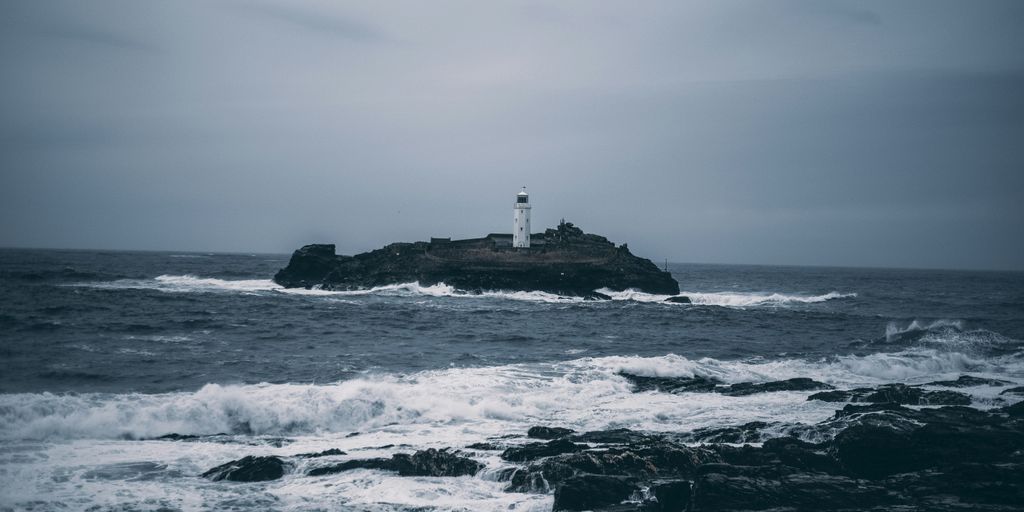
Understanding Cornish Weather Patterns

white lighthouse on rock formation surrounded by ocean

Cornwall's weather can be quite unpredictable, making it essential for holiday homeowners to understand its patterns. Storm forecasting is crucial for preparing your property against potential damage.

Seasonal Changes and Their Impact

Cornwall experiences distinct seasons, each bringing different weather challenges:

  • Winter: Heavy rains and strong winds can lead to flooding and structural damage.
  • Spring: Mild temperatures but can still have unexpected storms.
  • Summer: Generally pleasant, but storms can occur, especially in late summer.
  • Autumn: Often the wettest season, with increased storm activity.

Common Storm Types in Cornwall

Cornwall faces various storm types, including:

  1. Atlantic Storms: These can bring heavy rain and strong winds.
  2. Coastal Storms: Often lead to flooding and erosion.
  3. Winter Storms: Characterised by snow and ice, which can damage roofs and pipes.

Weather Forecasting Tools

To stay ahead of the weather, homeowners can use several tools:

  • Local Weather Apps: Provide real-time updates and alerts.
  • Weather Websites: Offer detailed forecasts and storm warnings.
  • Community Alerts: Local councils often send out warnings about severe weather.

Understanding the weather patterns in Cornwall is vital for protecting your holiday home. By staying informed, you can take proactive steps to minimise damage during storms.

Regularly checking your roof and ensuring it is in good condition can prevent issues later on. For instance, roof maintenance tips for Cornwall homes after a storm include inspecting for cracked or missing shingles and ensuring gutters are clear. This can save you from costly repairs in the future.

Assessing Your Holiday Home's Vulnerability

Identifying Structural Weak Points

To ensure your holiday cottage protection, start by examining the structure of your home. Look for:

  • Cracks in walls or foundations
  • Weak roof areas that may not withstand storms
  • Unstable balconies or decks

Evaluating Surrounding Environment

The environment around your coastal home can greatly affect its vulnerability. Consider:

  1. Proximity to trees that could fall during storms
  2. The slope of the land, which can impact drainage
  3. Nearby bodies of water that may flood during heavy rain

Historical Weather Damage in the Area

Understanding past weather events can help you prepare. Review:

  • Local records of storm damage
  • Patterns of travel disruption due to weather
  • Any previous incidents of flooding or landslides in your area

Assessing your holiday home’s vulnerability is crucial. By identifying weak points and understanding your environment, you can take proactive steps to protect your property from future storms.

Drain Assessment

Conducting a drain assessment is vital to prevent flooding. Ensure:

  • Drains are clear of debris
  • Gutters are functioning properly
  • There are no blockages in the drainage system

By taking these steps, you can significantly reduce the risk of damage to your holiday home during storms.

Strengthening the Exterior

When it comes to protecting your holiday home from storms, reinforcing the exterior is crucial. Here are some key areas to focus on:

Reinforcing Roofs and Walls

  • Inspect your roof for any loose tiles or damage.
  • Consider using a durable coating that resists fading and cracking.
  • Ensure that walls are properly rendered to prevent moisture damage.

Installing Storm Shutters

  • Storm shutters can provide an extra layer of protection. Here are some options:
    • Roll-down shutters: Convenient and effective for quick deployment.
    • Accordion shutters: Easy to use and store when not in use.
    • Bahama shutters: Offer shade and protection simultaneously.

Choosing Durable Materials

  • Opt for materials that withstand harsh weather conditions:
    • Composite materials: These resist rot and are low maintenance.
    • Fibreglass: Strong and resistant to corrosion.
    • High-quality paint: Look for options that come with a long warranty against fading and peeling.

Regular checks and essential maintenance can prevent costly repairs later. Keeping your home in good shape not only protects your investment but also ensures a welcoming environment for guests.

By focusing on these areas, you can significantly enhance the resilience of your Cornish holiday home against storms and harsh weather conditions.

Protecting Windows and Doors

Impact-Resistant Glass Options

When it comes to safeguarding your windows, impact-resistant glass is a top choice. This type of glass is designed to withstand strong winds and flying debris, making it ideal for storm-prone areas like Cornwall. Here are some options:

  • Laminated glass: Two layers of glass with a plastic interlayer.
  • Tempered glass: Heat-treated for added strength.
  • Security window film: A protective layer that helps hold glass together during impacts.

Sealing and Insulating Openings

Proper sealing and insulation are crucial for keeping your holiday home warm and secure. Here are some effective methods:

  1. Perimeter checks: Regularly inspect the seals around windows and doors for any gaps.
  2. Use draught excluders: These can be self-adhesive strips or door sweeps to block cold air.
  3. Check locks: Ensure all locks are functioning properly to enhance security.

Emergency Boarding Techniques

In extreme weather, boarding up your windows and doors can provide an extra layer of protection. Here’s how to do it:

  • Use plywood sheets: Cut to size and secure with screws.
  • Invest in storm shutters: These can be easily deployed when a storm is forecasted.
  • Keep emergency supplies handy: Have tools ready for quick boarding if needed.

Keeping your windows and doors secure not only helps with warmth but also enhances the overall safety of your holiday home. Regular maintenance is key to avoiding essential repairs for holiday homes before tourist season.

Preparing the Interior for Storms

Securing Loose Items

To prevent storm damage, it’s important to secure loose items inside your holiday home. Here are some steps to follow:

  • Batten down belongings: Store or secure items like furniture, decorations, and outdoor gear.
  • Use storage boxes or bags to keep smaller items safe.
  • Move valuable items to higher ground if flooding is a concern.

Creating a Safe Room

Designating a safe room can provide peace of mind during severe weather. Consider the following:

  1. Choose a room with no windows, like a basement or interior room.
  2. Stock it with essential supplies, including food, water, and a first aid kit.
  3. Ensure it has a reliable communication device to receive severe weather warnings.

Emergency Supplies and Kits

Having the right supplies can make a big difference during a storm. Here’s a checklist:

  • Gutter cleaning tools: Keep your gutters clear to prevent water damage.
  • Flashlights and batteries: Essential for power outages.
  • Non-perishable food and water: Stock enough for at least three days.

Preparing your interior for storms is crucial. By taking these steps, you can ensure your holiday home remains a safe haven during turbulent weather. Regular checks and maintenance can help avoid costly repairs later on.

By focusing on these preparations, you can enhance the safety and comfort of your Cornish holiday home during stormy weather.

Landscaping for Storm Resistance

Tree and Shrub Management

Managing trees and shrubs is essential for flooding prevention. Here are some tips:

  • Regularly trim trees to prevent branches from falling during storms.
  • Remove any dead or weak trees that could pose a risk.
  • Plant trees away from your home to reduce the chance of fallen trees.

Drainage Solutions

Proper drainage is crucial for managing water supply. Consider these options:

  1. Install French drains to redirect water away from your property.
  2. Use permeable materials like gravel for driveways to allow water to seep through.
  3. Regularly check and clear drains to prevent blockages.

Windbreaks and Barriers

Creating windbreaks can help protect your home from strong winds. Here’s how:

  • Plant dense hedges or trees to act as a barrier against wind.
  • Use fences or walls to shield your property from storm damage.
  • Consider installing sandbags around vulnerable areas to prevent flooding.

Effective landscaping can significantly reduce the impact of storms on your property. By implementing these strategies, you can create a safer environment for your holiday home.
Insurance and Legal Considerations

When managing your holiday home, understanding the insurance and legal aspects is vital. Here are some key points to consider:

Understanding Your Policy

  • Always check if your insurance covers public liability. This protects you from claims made by guests or visitors for injuries or damages.
  • Ensure you have holiday letting insurance. This is crucial if you rent out your property, as standard home insurance may not cover you.
  • Review your policy regularly to keep up with any changes in coverage or requirements.

Documenting Your Property

  • Keep a detailed record of your property’s condition, including photographs and notes on any repairs or improvements.
  • Document any essential repairs for holiday homes before tourist season to ensure you are covered in case of damage claims.
  • Maintain receipts and invoices for all work done on the property, as this can help in the claims process.

Legal Requirements and Compliance

  • Familiarise yourself with local regulations regarding holiday rentals. This includes safety standards and any necessary permits.
  • Ensure that your property complies with health and safety regulations to protect your guests and yourself from potential legal issues.
  • Be aware of your responsibilities as a landlord, including maintaining the property and ensuring it is safe for guests.

Understanding these insurance and legal considerations can help you protect your holiday home and ensure peace of mind while you’re away.

Creating an Emergency Plan

Having a clear emergency plan is vital for your holiday home. This plan should cover several key areas to ensure everyone knows what to do in case of a storm or other emergencies.

Communication Strategies

  • Emergency contact numbers: Make sure guests have access to important contacts, including local emergency services.
  • Evacuation routes: Clearly mark paths for guests to follow during an emergency.
  • Safety equipment locations: Inform guests where to find fire extinguishers and first aid kits.

Evacuation Routes and Procedures

  1. Identify the safest exit points in your property.
  2. Create a map showing these routes and distribute it to guests.
  3. Conduct a brief orientation for guests upon arrival, explaining the plan.

Local Emergency Services and Contacts

It’s essential to provide guests with a list of local emergency contacts, including:

  • Local fire department
  • Nearest hospital
  • Poison control centre
  • Local electrician for electrical emergencies

Being prepared can significantly reduce panic during a crisis. Weather preparedness is not just about having supplies; it’s about knowing how to respond effectively.

By taking these steps, you can ensure that your holiday home is ready for any unexpected events, making it a safe haven for your guests.

Having a solid emergency plan is crucial for everyone. It helps you stay calm and prepared during unexpected situations. Don’t wait until it’s too late! Visit our website to learn how to create your own emergency plan and ensure your safety and that of your loved ones.

Final Thoughts on Winter-Proofing Your Cornish Holiday Home

In summary, getting your Cornish holiday home ready for winter is vital for keeping it warm and safe. By taking simple actions like checking your insulation, sealing windows, and ensuring your heating works well, you can protect your property from harsh winter weather. Remember, a little preparation now can help you avoid bigger issues later. Enjoy your winter holidays in comfort!

Frequently Asked Questions

How can I tell if my roof is ready for winter?

Check for any signs of damage like missing tiles or leaks. It's also wise to clear leaves and debris from the gutters.

What should I do to protect my pipes when it's cold?

Make sure to insulate any exposed pipes and check for leaks. You might also want to add frost protection to prevent freezing.

How can I ensure my heating system works well in winter?

Regularly service your boiler and bleed your radiators to get rid of trapped air. Consider upgrading to a smart thermostat for better control.

What steps can I take to secure my windows and doors?

Install draught excluders to keep the cold air out, check that seals and locks are working properly, and think about adding secondary glazing.

How should I prepare my outdoor spaces for winter?

Cover any garden furniture to protect it from the weather, prepare your lawn and plants for the cold, and secure any outdoor lighting.

What essential supplies should I stock up on for winter?

Ensure you have enough fuel or firewood, stock non-perishable food items, and have an emergency kit ready.

Looking for the all-in-one platform to connect your trades business with Cornish locals?
Join other Cornish tradesmen today.
Sign Up

Disclaimer: The information provided in this blog is for general informational purposes only and should not be considered a substitute for professional advice. All work, including but not limited to electrical, plumbing, and construction, carries risks and should only be undertaken by qualified professionals. For specific guidance on any work, consult a certified professional in the relevant field. Always ensure compliance with local regulations and safety standards.

Looking for a tradesman for your next job?
Browse verified tradesmen.
Search Now
Want to join as a tradesmen?
Get seen by Cornish locals.
Sign Up
crossmenuchevron-down linkedin facebook pinterest youtube rss twitter instagram facebook-blank rss-blank linkedin-blank pinterest youtube twitter instagram