

Insulating your holiday home is essential for ensuring comfort throughout the year. Whether you're using it as a seasonal retreat or planning to live there year-round, proper insulation can make a significant difference in temperature control and energy costs. This article offers practical tips and insights into the best insulation practises to keep your holiday home cosy and efficient, no matter the season.
Key Takeaways
- Good insulation helps maintain a comfortable temperature all year round.
- Check for draughty windows and doors, and replace them if necessary.
- Consider eco-friendly insulation materials for a sustainable choice.
- Regular maintenance of insulation can save on energy bills and improve comfort.
- Hiring professionals can ensure proper installation and long-term effectiveness.
Insulation is crucial for maintaining a comfortable environment in your holiday home throughout the year. Proper insulation can significantly reduce energy costs and increase your overall comfort.
| Material | R-Value per inch | Cost per square foot | Lifespan |
|---|---|---|---|
| Fibreglass | 2.9 | £0.50 | 20-30 years |
| Cellulose | 3.5 | £0.70 | 20-30 years |
| Spray Foam | 6.5 | £1.00 | 20-30 years |
Insulating your holiday home is not just about comfort; it’s also a smart financial decision that pays off in the long run.
In summary, understanding the importance of insulation is key to ensuring your holiday home remains a comfortable retreat all year round. Whether you choose to do it yourself or hire professionals, investing in insulation is a step towards a more energy-efficient and enjoyable living space.
To ensure your holiday home is comfortable year-round, start by identifying problem areas. Common spots include:
Using thermal imaging cameras can help you spot areas where heat is escaping. This technology allows you to see:
Consider hiring professionals for a thorough inspection. They can provide insights on:
Regular inspections can prevent costly repairs and ensure energy efficiency, highlighting the need for proper water flow to avoid leaks.
By taking these steps, you can significantly improve your holiday home's insulation, ensuring comfort and reducing energy costs.

When it comes to selecting insulation, understanding the different types available is crucial. Here are some key points to consider:
| Type of Insulation | R-Value per inch | Cost per square foot |
|---|---|---|
| Fibreglass | 2.9 - 4.3 | £0.50 - £1.00 |
| Foam Board | 4.0 - 6.5 | £1.00 - £2.00 |
| Cellulose | 3.1 - 3.8 | £0.70 - £1.50 |
Choosing the right insulation material is essential for comfort and energy efficiency. Proper insulation can lead to significant savings on energy bills and enhance the overall comfort of your holiday home.
In summary, when choosing a dimmer switch for your insulation needs, consider the type, eco-friendliness, and cost-effectiveness of the materials. This will ensure you make an informed decision that benefits your home year-round.
To keep your holiday home warm, it’s essential to seal any gaps and cracks. Here are some steps to follow:
Weather stripping is a simple yet effective way to improve insulation. Here’s how to do it:
Insulating paints can help reduce heat loss. Here’s a quick guide:
Remember: Regular maintenance is key to preventing issues like damp and mould in your holiday home. Keeping an eye on your insulation can save you money and enhance comfort.
By following these DIY tips, you can significantly improve the insulation of your holiday home, ensuring it remains comfortable throughout the year. Proper insulation not only saves energy but also protects your investment.
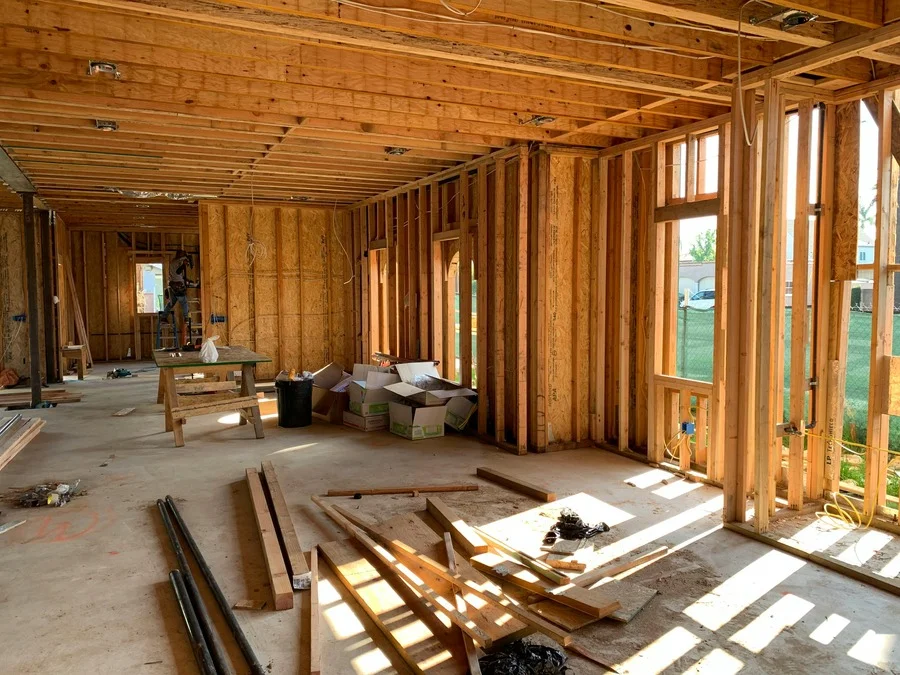
When it comes to ensuring your holiday home is well-insulated, hiring professionals can make a significant difference. They bring expertise and experience that can save you time and money in the long run.
| Service Type | Average Cost (£) | Notes |
|---|---|---|
| Home Insulation | 1,500 - 3,000 | Depends on size and materials. |
| Wall Insulation | 1,000 - 2,500 | Varies by wall type. |
| Attic & Roof Insulation | 800 - 2,000 | Accessibility affects cost. |
Hiring the right professionals can ensure that your insulation is done correctly, leading to better energy efficiency and comfort in your home.
By considering these factors, you can make an informed decision when it comes to light fixture installation and other insulation services, ensuring your holiday home remains comfortable throughout the year.
Proper insulation is vital for keeping your holiday home comfortable throughout the year. Regular maintenance can significantly extend the life of your insulation. Here are some key points to consider:
Keeping your insulation in good shape not only improves comfort but also saves on energy costs. Regular checks can prevent costly repairs and ensure a pleasant stay for guests.
| Task | Frequency | Importance |
|---|---|---|
| Inspect insulation | Annually | High |
| Re-seal cracks | As needed | Medium |
| Replace weather stripping | Every 2-3 years | High |
By following these tips, you can ensure that your holiday home remains a comfortable retreat, regardless of the season. Don't forget to check for LED compatibility with dimmer switches to increase your lighting efficiency!
As the colder months approach, it’s essential to ensure your holiday home is ready. Proper insulation can significantly reduce heat loss, making your space more comfortable. Here are some steps to consider:
During the warmer months, you might think insulation is less important, but it plays a crucial role in keeping your home cool. Here are some tips:
Maintaining your insulation is key to ensuring comfort throughout the year. Here are some maintenance tips:
Keeping your insulation in top shape not only enhances comfort but also saves on energy costs. Regular checks and timely upgrades can make a significant difference in your holiday home's efficiency.
By following these seasonal adjustments, you can enjoy a comfortable holiday home all year round!
As the seasons change, it's important to adjust your home's insulation to keep it comfortable and energy-efficient. Whether it's adding extra layers for winter or ensuring proper ventilation in summer, these small changes can make a big difference. For more tips on how to optimise your home’s insulation, visit our website today!
In conclusion, making your holiday home comfortable all year round is not just a dream; it’s achievable with the right insulation. By focusing on key areas like windows, doors, and heating systems, you can create a warm and inviting space. Regular checks and maintenance will keep your insulation effective, ensuring you enjoy your home in every season. Remember, investing in good insulation not only enhances comfort but can also save you money on energy bills. So, take these tips to heart and transform your holiday retreat into a year-round haven.
Insulating your holiday home helps keep it warm in winter and cool in summer. It also saves on energy bills and makes your home more comfortable.
You might notice drafts, high energy bills, or cold spots in your home. A thermal imaging camera can also help spot areas that need better insulation.
Common materials include fibreglass, foam boards, and cellulose. Eco-friendly options like sheep's wool or recycled materials are also available.
Yes, many insulation tasks can be done as DIY projects, like sealing gaps and adding weather stripping. However, for larger jobs, hiring a professional is recommended.
It's a good idea to inspect your insulation at least once a year, especially before winter, to ensure it’s still effective.
If you find damage, it’s best to repair or replace the insulation as soon as possible to maintain comfort and efficiency.
Disclaimer: The information provided in this blog is for general informational purposes only and should not be considered a substitute for professional advice. All work, including but not limited to electrical, plumbing, and construction, carries risks and should only be undertaken by qualified professionals. For specific guidance on any work, consult a certified professional in the relevant field. Always ensure compliance with local regulations and safety standards.
