Winter can be a challenging time for holiday homes in Cornwall, but with the right preparations, you can ensure your property remains safe and comfortable. This guide will help you understand the essential steps to winter-proof your Cornish holiday home, making it a cosy retreat for you and your guests.
Key Takeaways
- Check your roof for any issues and clear out gutters to prevent blockages.
- Insulate exposed pipes to avoid freezing and check for any leaks.
- Make sure your heating system is serviced and radiators are bled for maximum efficiency.
- Secure windows and doors with draught excluders and check seals to keep the warmth in.
- Stock up on essentials like fuel, food, and an emergency kit to be prepared for winter.
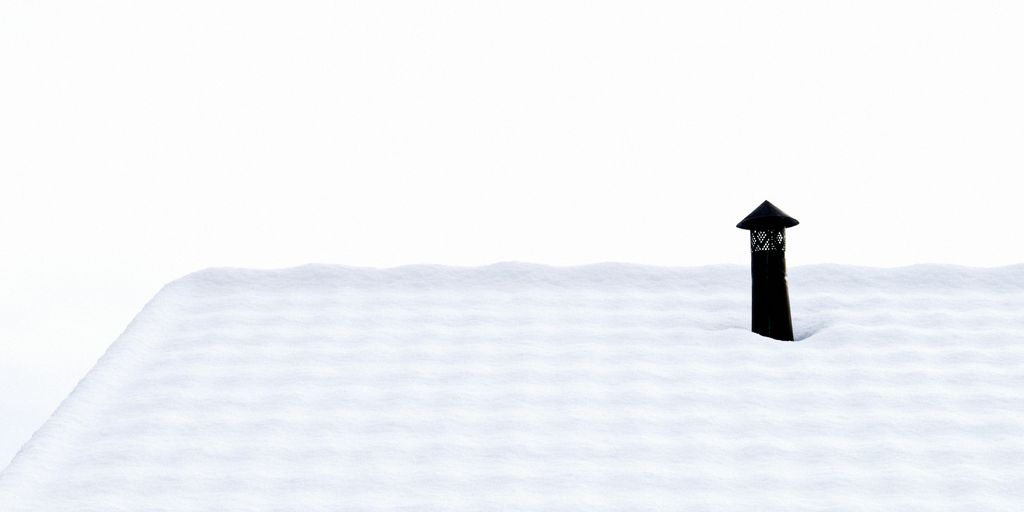
Before winter sets in, it’s crucial to conduct a thorough roof inspection. Look for any signs of wear and tear, such as missing shingles or cracks. Regular checks can help prevent serious issues later on. Here are some key areas to focus on:
Gutter cleaning is essential to ensure that rainwater flows freely. Blocked gutters can lead to water pooling, which may cause snow damage when it freezes. Follow these steps:
Proper insulation can help maintain a warm environment inside your holiday home. It also reduces the risk of condensation, which can lead to mould. Consider these options:
Winter preparation is not just about comfort; it’s about protecting your investment. Taking these steps can save you from costly repairs in the future.
By following these guidelines, you can ensure your roof is ready to withstand the harsh winter conditions, keeping your Cornish holiday home safe and sound.
To prevent frozen pipes, it’s crucial to insulate any exposed pipes. Pipe insulation can be done using materials like foam, lagging, or nitrile rubber. This helps to keep the pipes warm and reduces the risk of freezing. Here are some tips for effective insulation:
Regularly checking for leaks can save you from significant property damage. Here’s how to do it:
Installing frost protection devices can be a smart move for your holiday home. These devices help to monitor and maintain the temperature of your pipes. Consider the following:
Protecting your pipes is essential for maintaining a safe and comfortable environment during winter. Taking these steps can prevent costly repairs and ensure your holiday home remains a welcoming retreat.
Keeping your heating system in good shape is essential for a warm and comfortable holiday home during winter. Here are some key steps to ensure everything runs smoothly:
Regular seasonal maintenance of your heating system not only keeps your home warm but also extends the life of your equipment.
By following these steps, you can avoid costly repairs and ensure a comfortable stay for your guests. Remember, proper property management includes keeping your heating system in top condition, especially during the colder months.
| Task | Frequency | Notes |
|---|---|---|
| Boiler Service | Annually | Required for safety and efficiency. |
| Radiator Checks | Monthly | Ensure even heating throughout. |
| Thermostat Upgrade | As needed | Consider smart options for efficiency. |
To keep your holiday home warm during winter, installing draught excluders is a must. These simple additions can help prevent cold air from sneaking in through gaps around doors and windows. Here are some options:
Regularly checking the seals and locks on your windows and doors is essential. Here’s what to do:
Consider adding secondary glazing to your windows. This can significantly improve insulation and reduce noise. Here’s how:
Keeping your windows and doors secure not only helps with warmth but also enhances the overall safety of your holiday home. Regular maintenance is key to avoiding essential repairs for holiday homes before tourist season.
To keep your exterior furniture safe during winter, it’s essential to protect it from harsh weather. Here are some tips:
Your garden needs special care in winter. Follow these steps for effective drought-proofing:
Ensure your outdoor lighting is ready for winter. Here’s how:
Protecting your outdoor spaces is crucial for maintaining your property’s value and ensuring safety during the winter months.
By taking these steps, you can enjoy a winter-ready garden that remains beautiful and functional, even in the coldest months.
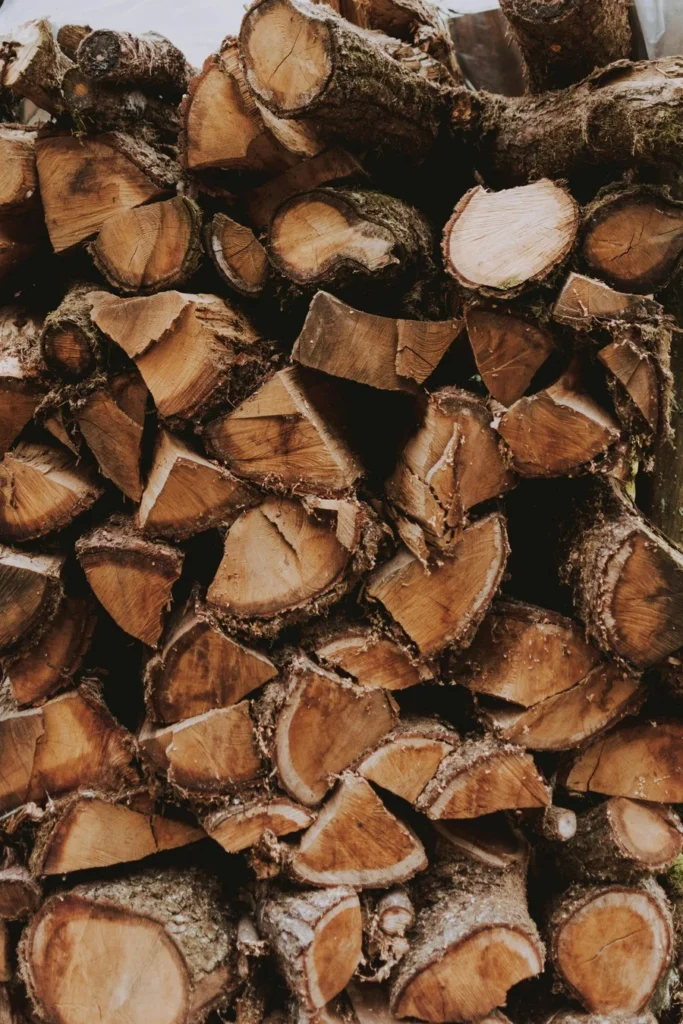
As winter approaches, it’s crucial to ensure your holiday home is well-prepared. Having the right supplies can make all the difference in keeping your home safe and comfortable during the colder months.
Remember, emergency planning is key. Having these supplies ready can help you respond quickly to any unexpected situations.
By preparing your holiday home with these essential supplies, you can enjoy a worry-free winter season. Stay warm and safe!
Heavy curtains can significantly enhance warmth in your holiday cottage. They act as a barrier against cold drafts, keeping the heat inside. Opt for thick, insulated fabrics to maximise energy efficiency.
Rugs and carpets not only add a touch of style but also provide extra insulation. They help to keep your feet warm and reduce the chill from cold floors. Consider using rugs in high-traffic areas to improve comfort.
Arranging your furniture wisely can make a big difference. Place sofas and chairs away from cold windows and doors. This will help create a cosy atmosphere and prevent cold spots. Here are some tips:
Keeping your holiday home warm and inviting is essential for a comfortable stay. Regular checks on insulation and heating systems can prevent issues like damp and mould, ensuring a pleasant environment for guests.
By focusing on these aspects, you can enhance the indoor comfort of your holiday cottage, making it a welcoming retreat during the winter months.
To improve your indoor comfort, consider simple changes like adjusting your heating or improving ventilation. These small steps can make a big difference in how cosy your home feels. For more tips and expert advice, visit our website today!
In conclusion, preparing your Cornish holiday home for winter is essential for ensuring comfort and safety. By taking simple steps like checking insulation, sealing windows, and maintaining heating systems, you can protect your property from harsh weather. Remember, a little effort now can save you from bigger problems later. Enjoy your winter holidays!
You should look for any signs of damage, such as missing tiles or leaks. It's also a good idea to clear out any leaves or debris from the gutters.
Make sure to insulate any exposed pipes and check for leaks. You might also want to install frost protection to avoid freezing.
Regularly service your boiler and bleed your radiators to remove trapped air. Consider upgrading to a smart thermostat for better control.
Install draught excluders to keep the cold air out, check that seals and locks are working properly, and consider adding secondary glazing.
Cover any garden furniture to protect it from the weather, prepare your lawn and plants for the cold, and secure any outdoor lighting.
Make sure you have enough fuel or firewood, stock non-perishable food items, and have an emergency kit ready.
Disclaimer: The information provided in this blog is for general informational purposes only and should not be considered a substitute for professional advice. All work, including but not limited to electrical, plumbing, and construction, carries risks and should only be undertaken by qualified professionals. For specific guidance on any work, consult a certified professional in the relevant field. Always ensure compliance with local regulations and safety standards.

